 Free shipping on orders over £29,85
  Shipping Tracking!


 Google
 Facebook
← Back to How do you pour resin into wood?
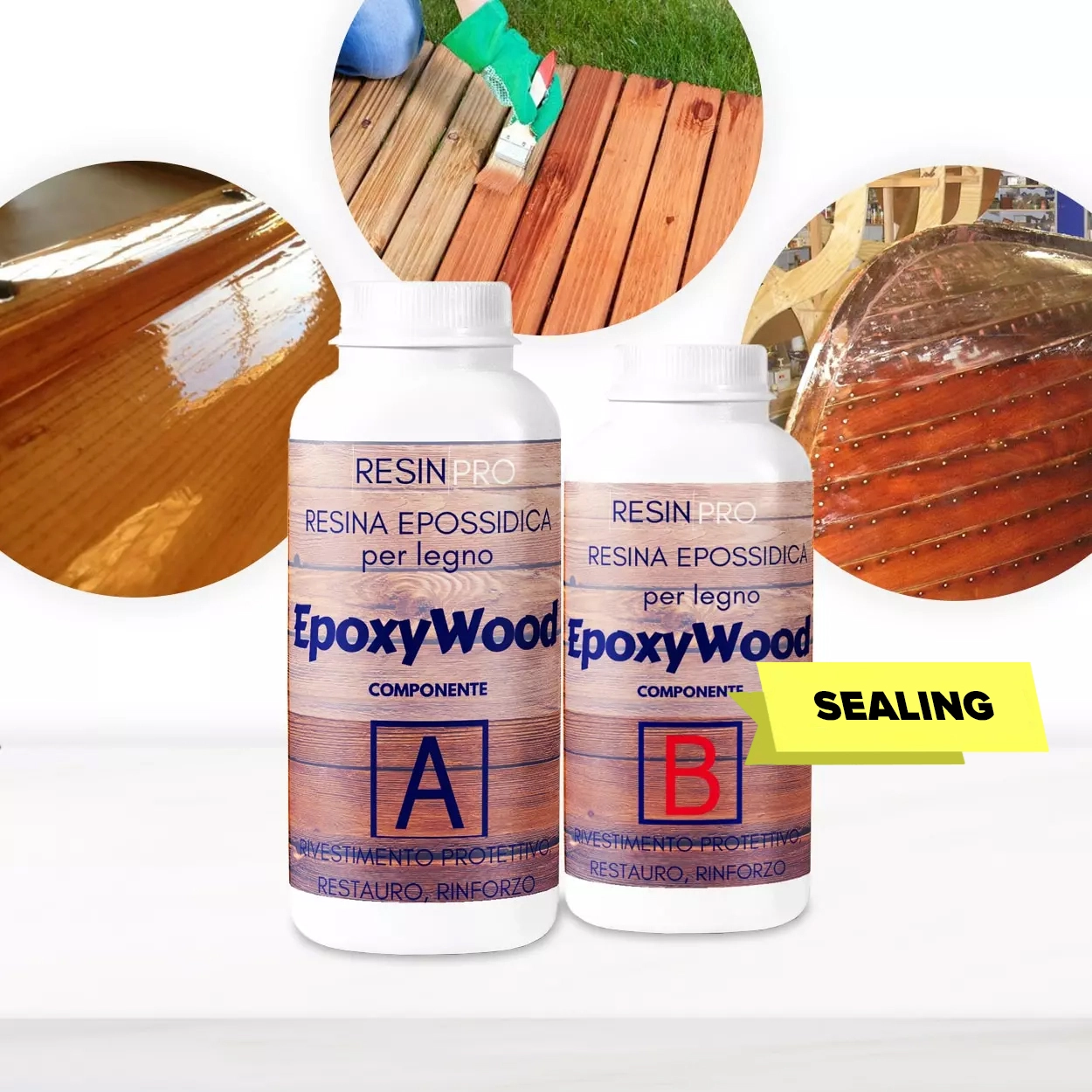
When working with resin and wood, sealing is a crucial preparation step for anyone aiming to achieve a clear, professional result. Neglecting to seal the wood can lead to unwanted bubbles or uneven resin absorption, compromising the finish of your project.
Why sealing matters
Wood is naturally absorbent, containing microscopic air pockets that can release bubbles when resin is poured directly onto the surface. Sealing the wood helps lock in these pockets, preventing air from escaping into the resin during curing. This minimises the risk of unsightly bubbles and resin ‘bleed’, which can cause clouding or patchy areas on your finished piece. By sealing first, you create a barrier that supports even resin coverage and adherence for a smoother, more predictable finish.
How to properly seal your wood
For best results, use a dedicated sealing product designed for wood restoration or resin work. Products such as EpoxyWood – Wood Restoration Epoxy Resin deeply penetrate and reinforce the wood fibres, creating a waterproof barrier before your main resin pour. Apply a thin layer and allow it to cure fully, ensuring the surface is dry and lightly sanded prior to the main casting. This step helps prevent unwanted interactions between the resin and the wood’s natural oils or moisture.
Practical tips for successful resin and wood projects
- Always work with dry, sanded wood for optimal adhesion.
- Test your sealing process on an offcut to check for reactions or unexpected absorption.
- Allow the sealant to cure completely before pouring your main resin layer.
- Consider a complete project kit, like the River-Table beginner kit, which includes sealing and release agents, especially for newcomers.
When this matters most
Sealing wood is vital for projects like tabletops, river tables, and decorative items where clarity and flawless finish are priorities. If your wood is old, porous, or has many knots, a thorough seal is especially important to avoid resin loss or unpredictable surface effects.
Related products
Related guides
By taking the time to seal your wood before pouring resin, you set the foundation for a clean, bubble-free result. This essential step is part of achieving the high-quality look associated with professional resin and wood projects—discover more about perfecting your pour on our main guide to how to pour resin into wood.