 Free shipping on orders over £29,85
  Shipping Tracking!


 Google
 Facebook
← Back to How do you pour resin into wood?
Mixing resin and hardener fully is the foundation of a successful wood and resin project. Missing this crucial step can leave you with tacky or soft areas and an uneven, unattractive finish. Let’s break down how to mix effectively — scraping every bit from your container — for reliable results every time.
Why Scraping the Sides Matters
When you blend epoxy resin and hardener, unmixed material tends to stick stubbornly along the sides and base of your mixing container. These small amounts can create sticky patches in your project if not incorporated properly. Scraping consistently ensures you combine every drop, significantly reducing the risk of poorly cured spots and giving your resin pour a smooth, even cure.
How to Mix Resin Components Properly
- Always use two clean, straight-sided containers.
- Combine your measured resin and hardener, following the manufacturer’s ratio closely.
- Mix slowly using a flat stirrer or spatula.
- Scrape along the sides and bottom regularly throughout the process.
- Transfer the mix to a second container (sometimes called “double-potting”) and stir again, scraping as you go. This step greatly improves uniformity.
Be patient — thorough mixing for several minutes is well worth the effort and prevents issues during cure.
Buying Guidance for Wood Epoxy Projects
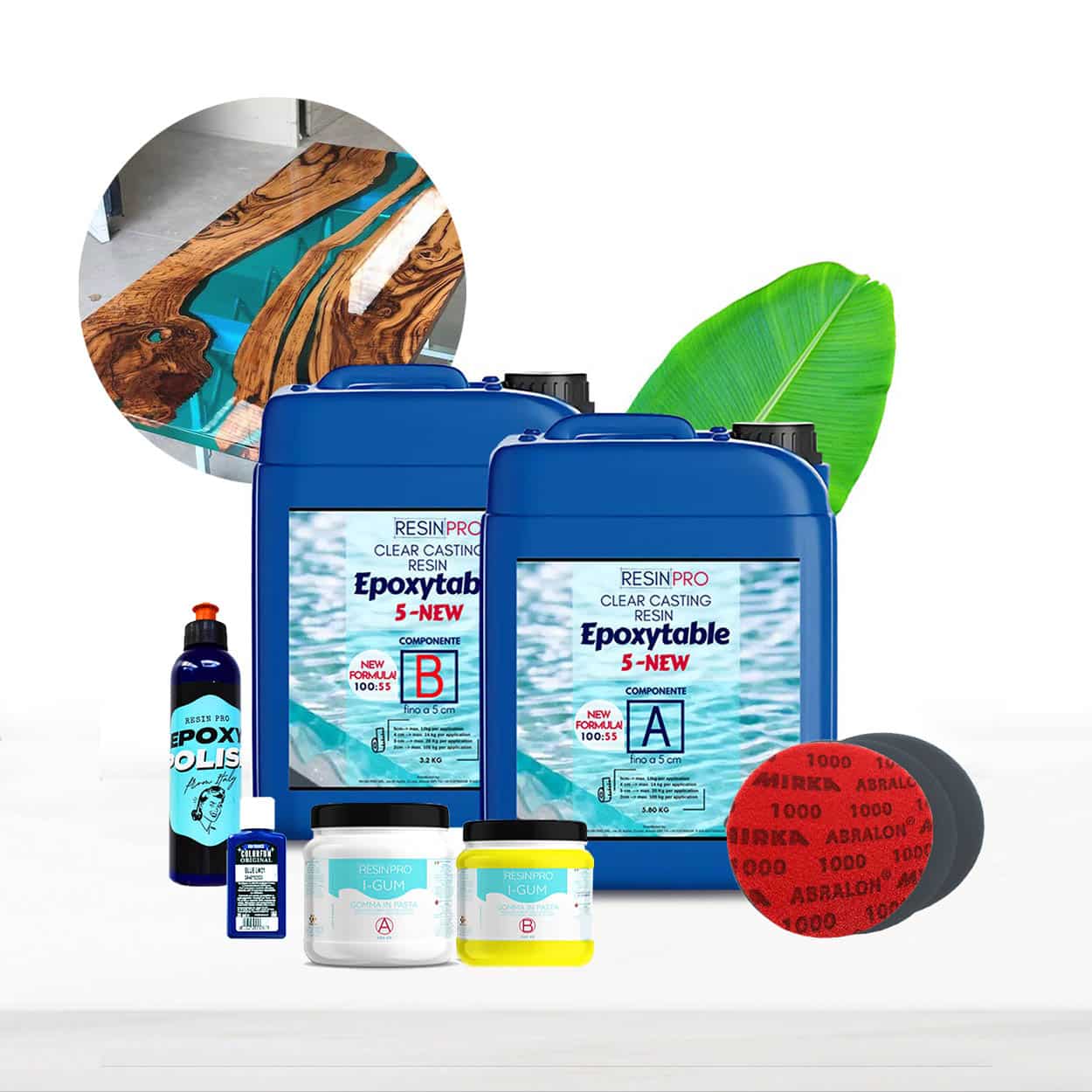
For resin and wood tables or beginner projects, consider kits like the “River-Table” Complete Kit. These sets typically include clearly marked measuring cups, suitable stirring sticks, and step-by-step instructions to encourage good mixing habits and a trouble-free pour. Using these kits can be very helpful for developing proper technique and achieving strong, clear results every time.
When This Mixing Method Really Matters
Precision in mixing is vital for deeper resin castings (such as those found in live-edge or river tables) and when working with intricate wood inlays. Even small mistakes will show up in thicker or highly visible projects. Commitment to proper scraping and mixing is the difference between a flawless resin pour and a project plagued with imperfections.
Related products
Related guides
Mixing your resin and hardener completely, while diligently scraping your container, is a small but mighty step in the overall process of pouring resin into wood. For more advice and details about resin pours, visit our main guide on how to pour resin into wood.