 Free shipping on orders over £29,85
  Shipping Tracking!


 Google
 Facebook
← Back to How to colour polyurethane resin?
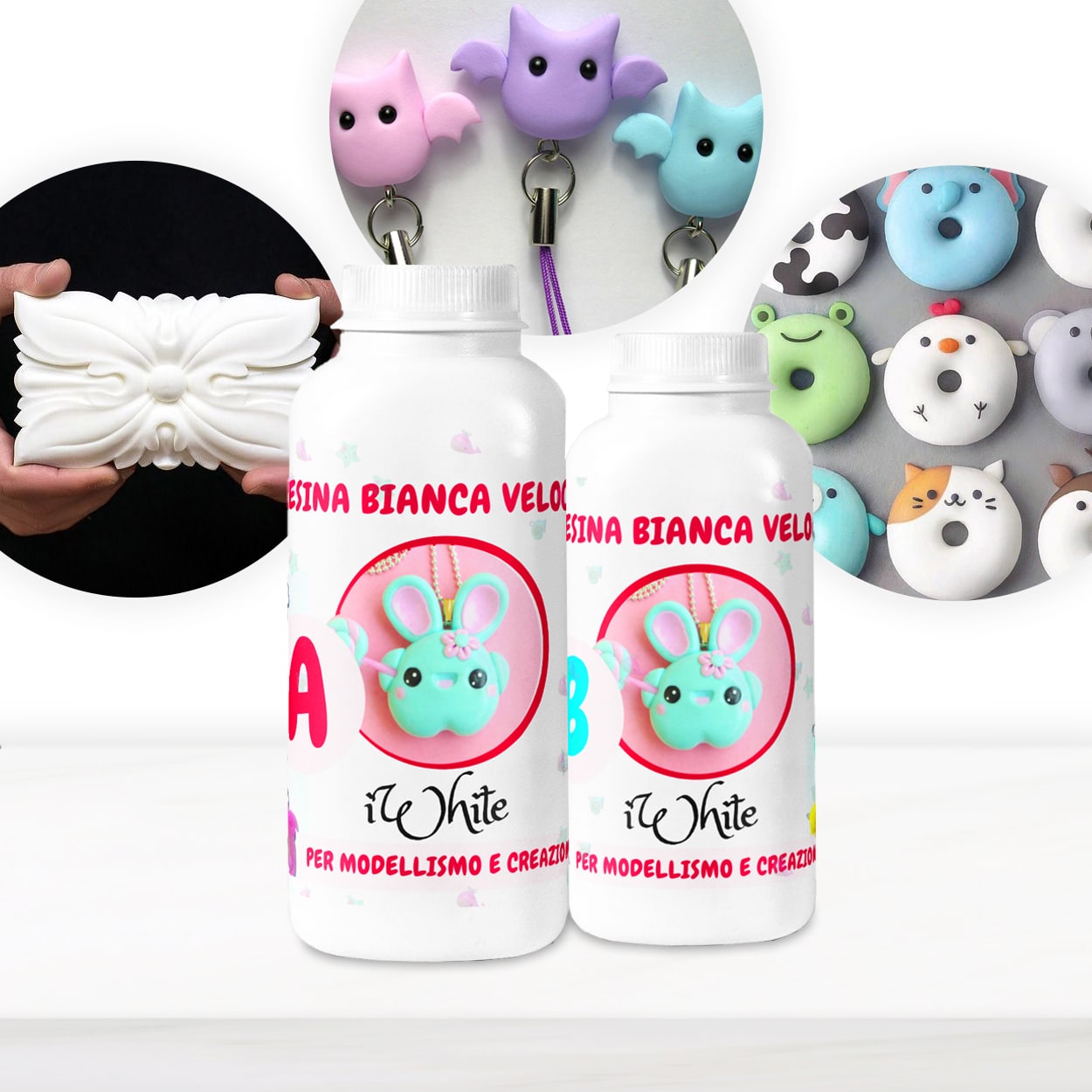
When colouring polyurethane resin, it’s important to understand how pigment additions can influence the curing process and final result. Here’s what to keep in mind for best outcomes.
How Pigment Can Influence Curing
Pigment is often mixed into liquid polyurethane resin to achieve the desired colour before pouring into a mould. Adding too much pigment, though, can slow the chemical reaction that solidifies the resin or may leave your finished cast less hard than intended. For most projects, stick with the manufacturer’s suggested maximum pigment loading.
Recommended Pigment Ratios and Practical Tips
To avoid curing problems, it’s best to follow recommend pigment dosages—usually a very small percentage by weight of the total resin mix. A typical guide is to keep pigment below 5% of the resin’s total mass, but always check your specific product instructions. Stir the pigment thoroughly and evenly. If you need bold colour, consider layering or surface finishing to enhance the effect, rather than simply adding more pigment.
If working with “IWhite” Polyurethane Casting Resin, always err on the side of less rather than more when it comes to pigment additions for predictable results.
When This Matters Most
Monitoring pigment addition is particularly crucial for detailed castings, rapid prototyping, or applications where durability and precise cure times are essential. If the resin needs to cure quickly—such as with fast-setting systems—excess pigment may prolong handling time or alter surface quality.
Related products
Related guides
Careful pigment use ensures your coloured polyurethane resin cures properly and delivers strong, consistent results. Explore more tips and techniques on our main How to Colour Polyurethane Resin page.