 Free shipping on orders over £29,85
  Shipping Tracking!


 Google
 Facebook
← Back to How to colour polyurethane resin?
Achieving the ideal colour in polyurethane resin requires careful pigment addition. Gradually adjusting pigment helps you control saturation and avoid surprises in your finished piece.
Why Add Pigment Gradually?
Pigments can dramatically affect the appearance of cured resin. Adding small amounts at a time ensures you reach the desired shade without going too dark or muddy. This is especially important for precision projects, where a slight excess can alter transparency or tone. Stir thoroughly after each addition so you can assess the colour as it develops.
Step-by-Step Approach
- Begin with a minimal amount of pigment—just a touch on the tip of a mixing stick can be plenty to start.
- Mix thoroughly and observe the colour. If a deeper hue is needed, introduce more pigment in tiny increments, blending each time.
- For reference, many resins perform best with less than 5% pigment by total mass. This guideline can help you avoid overloading with colourant.
- For creative results, try combining different compatible pigments slowly to achieve unique shades.
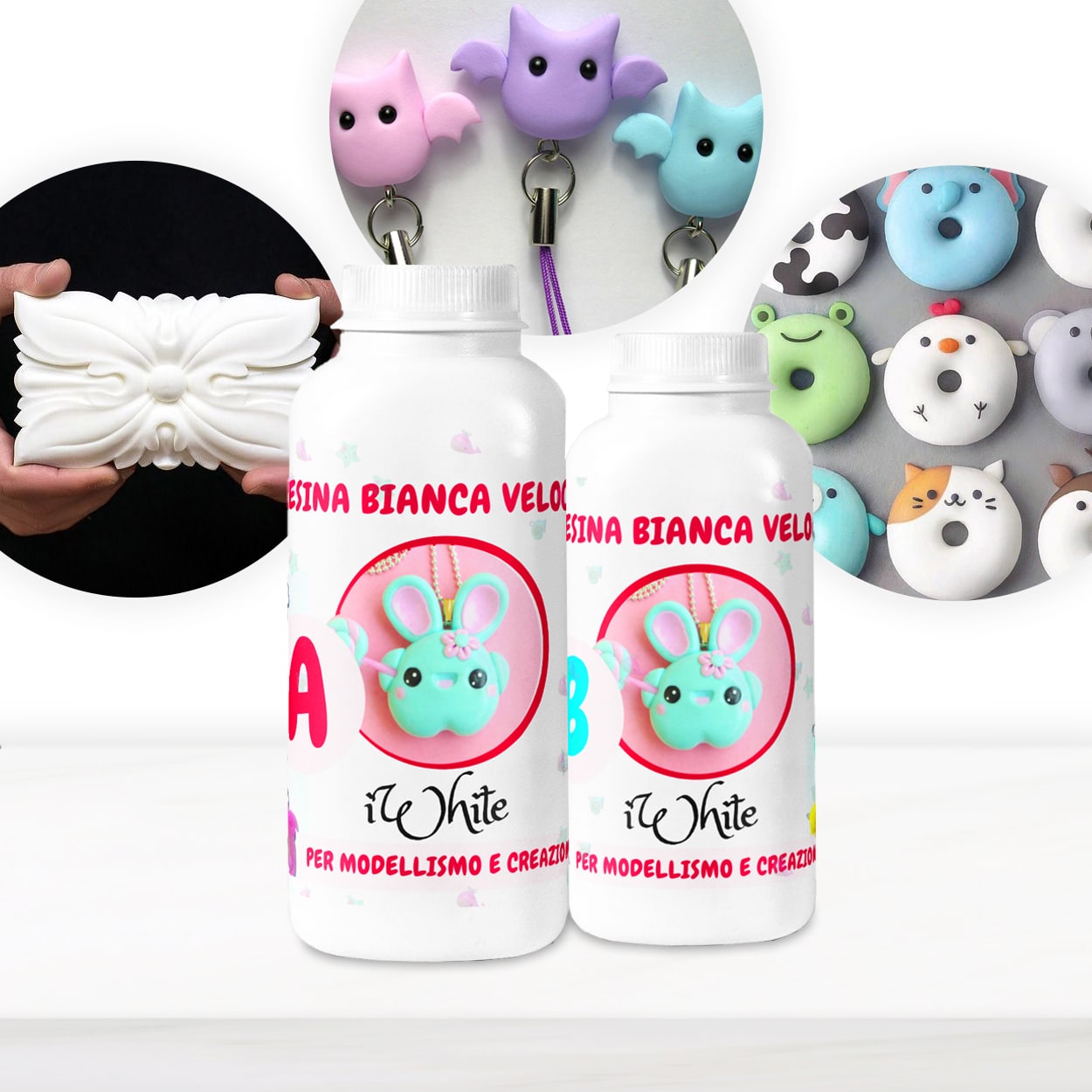
If you are using a colourable resin like “IWhite” – Polyurethane Casting Resin, you can blend pigments into the liquid resin before pouring for even colour distribution.
Tips for Consistent Colour
Test a small batch before committing to the full mix, particularly when aiming for consistency across several pieces. Keep notes of the amount and type of pigment added to replicate successful results in future projects. Dedicated pigment products, such as the “Sahara Space” Metallic Pigment, make subtle adjustments easier thanks to simple measurement and reliable dispersion.
When This Matters Most
Gradual pigment addition is crucial for projects where precise colour matches or clear, bubble-free casts are important—such as detailed models, jewellery, or multi-part designs. This approach helps you avoid costly rework or inconsistent batches.
Related products
Related guides
Taking care to add pigment gradually gives you the best control over the look of your polyurethane resin creations. For more guidance on colouring techniques and compatible products, explore our broader advice at the How to colour polyurethane resin? hub.