 Free shipping on orders over £29,85
  Shipping Tracking!


 Google
 Facebook
How to grout the floor with epoxy putty?
Achieve strong, seamless joints with epoxy floor grout
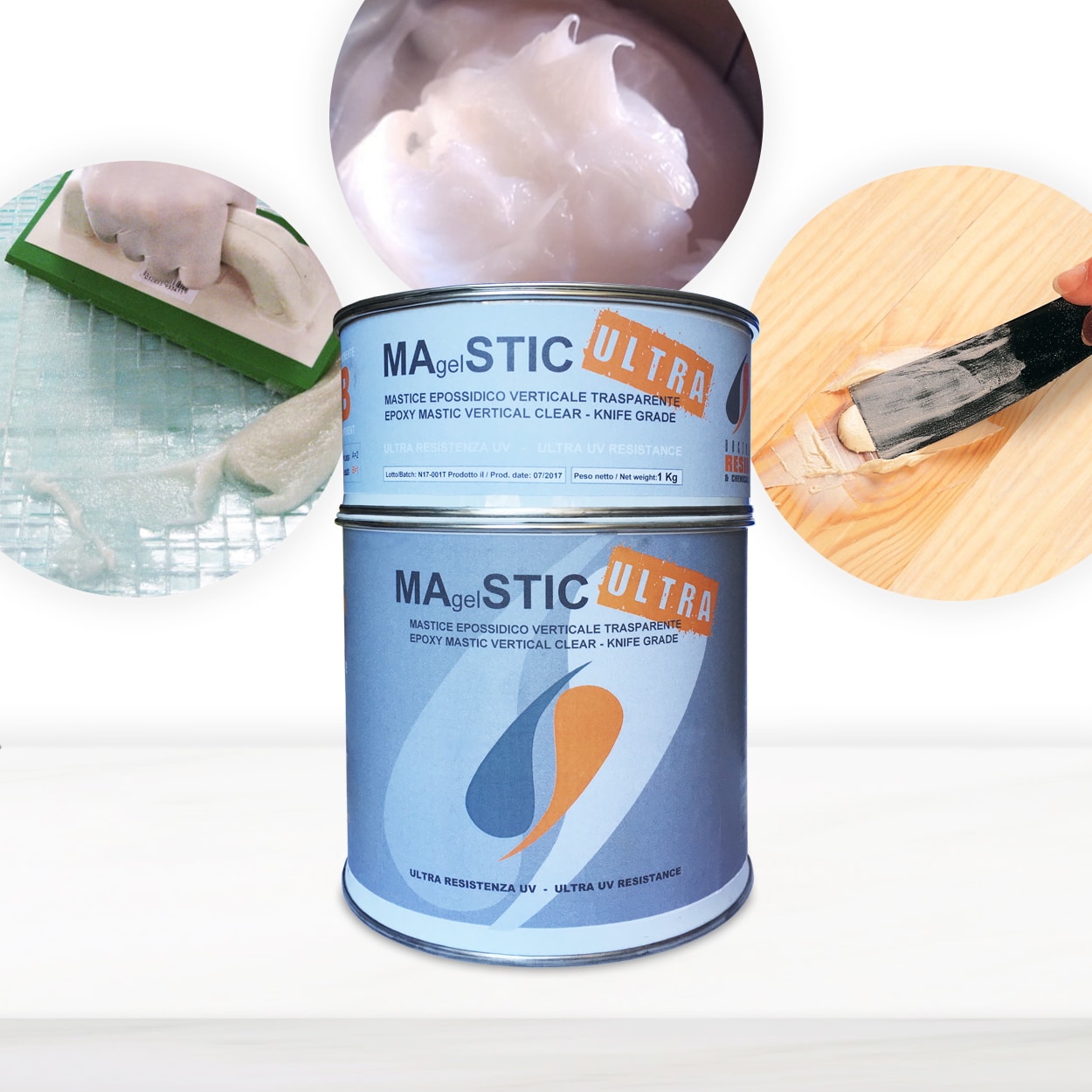
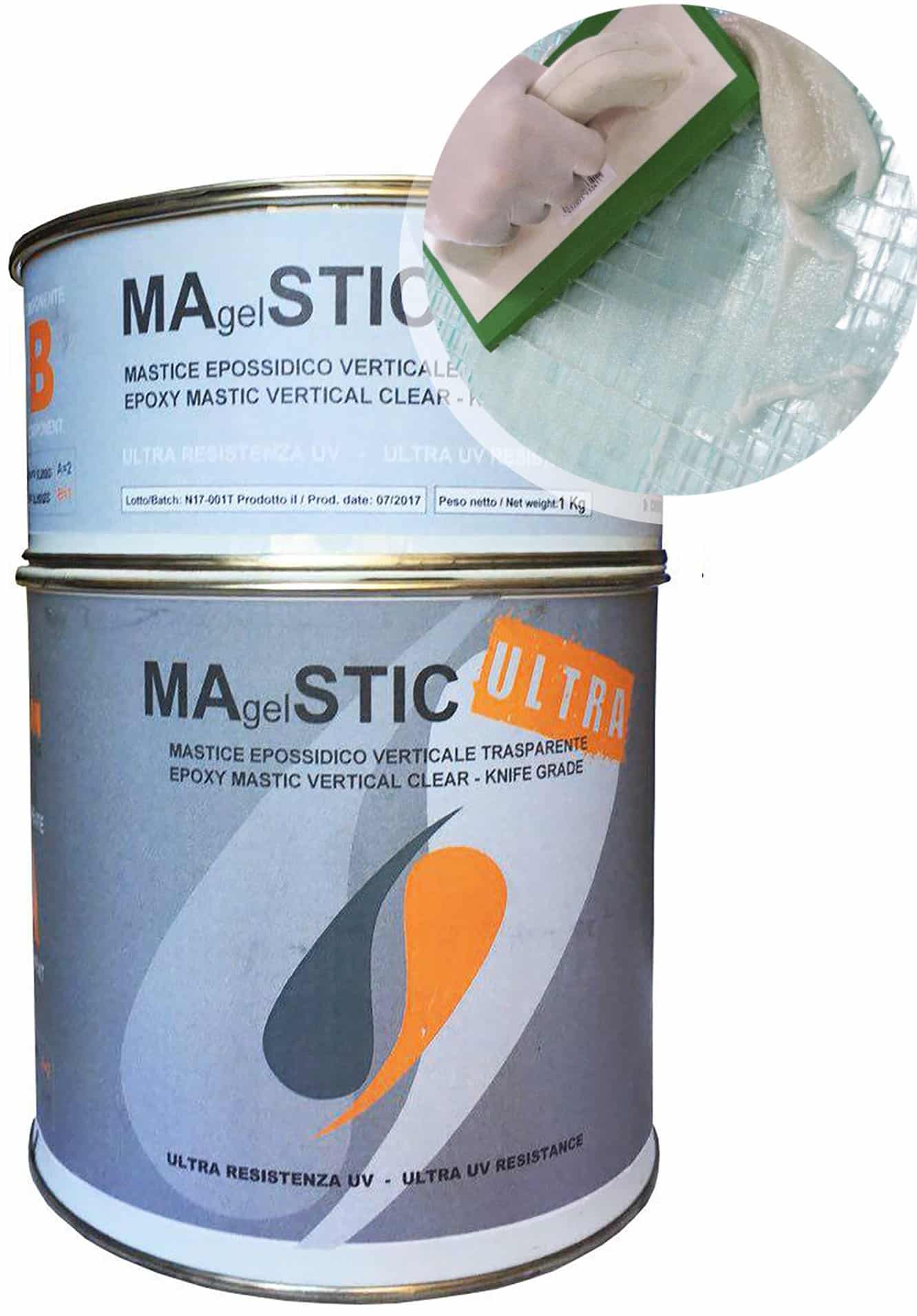
If you want durable, seamless, and water-resistant joints in your floor, epoxy putty is a brilliant choice. This guide takes you from initial planning through final finishing, ensuring your floor looks flawless and withstands daily wear. Whether you are tackling stone tiles, concrete, or decorative pebble surfaces, you’ll learn the essential steps to achieve professional-quality grout lines with lasting strength and finish.
What You’ll Need
- “Magelstick” – Epoxy Mastic for Stone, Metal, and Cement Bonding and Grouting – ideal for grouting stone, metal, or cement floors with excellent mechanical strength.
- Tooth Shaped Spatula for Epoxy Resin Application – for evenly spreading and smoothing the epoxy putty into joints.
- Protective gloves and mask – to prevent skin or respiratory irritation.
- Mixing board and spatula – for combining the two epoxy components.
- Clean cloths, sponge, and mild detergent – to prepare and finish the surface.
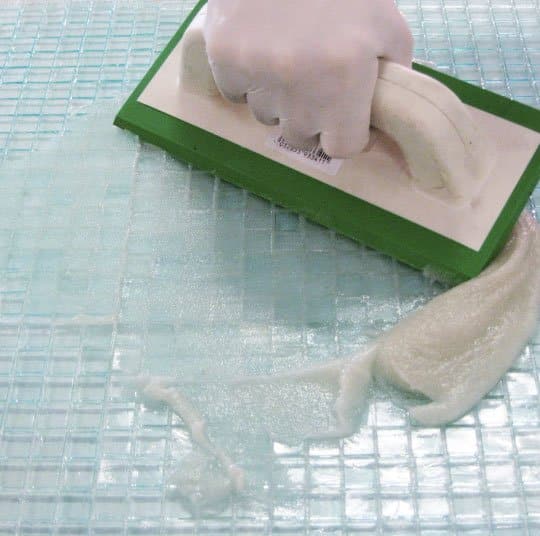
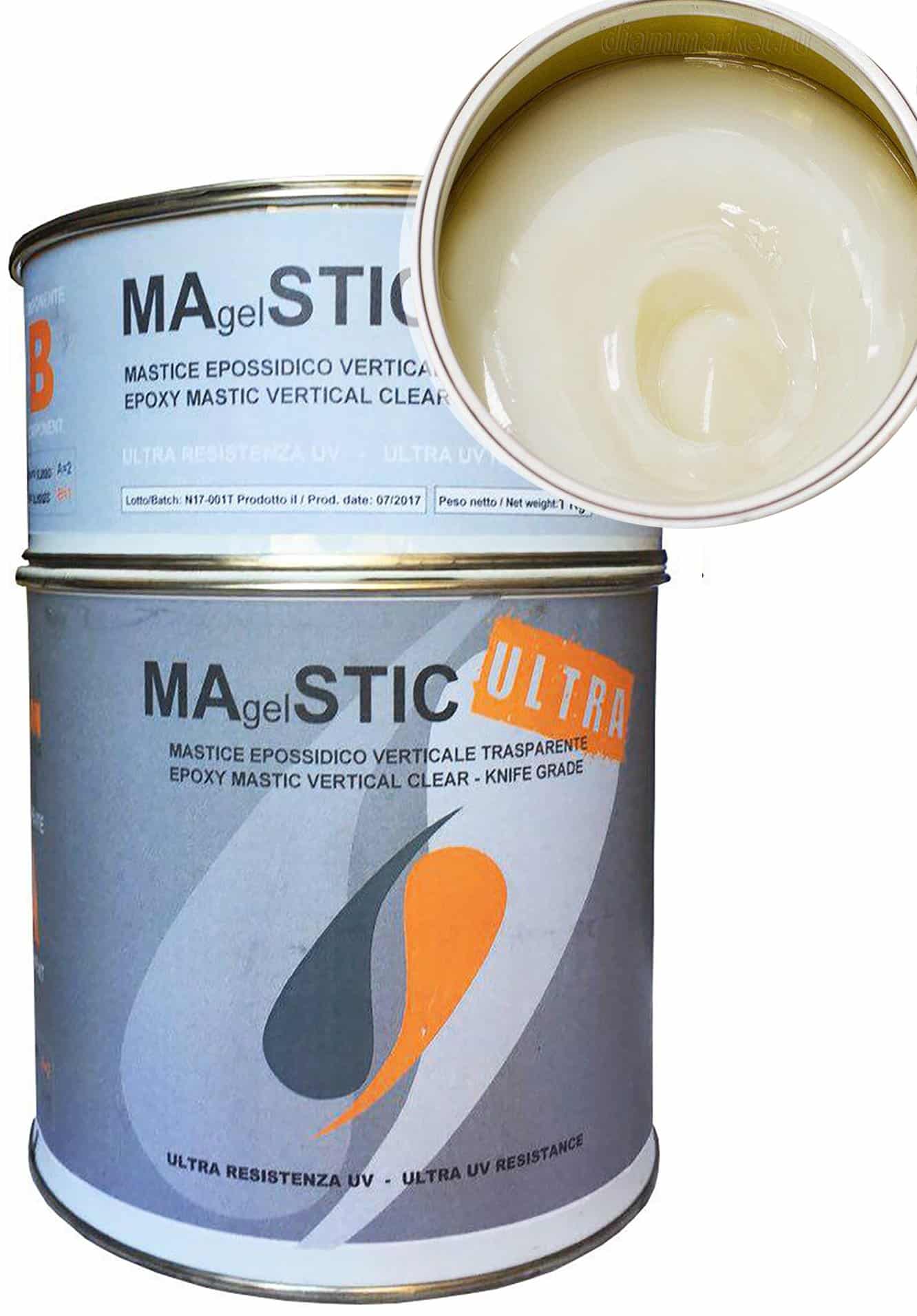
Visual Guide: Epoxy Putty Mixing and Tooling
See the difference between raw and mixed epoxy putty before application. Spot the change in consistency and colour as you blend both components, ensuring the paste is fully homogenous for maximum bond strength. Images also show a notched spatula in action, producing clean, uniform joints without overfilling.
Step 1: Prepare the Surface
Thoroughly clean and dry the floor surface before beginning. Remove any old grout, dust, grease, or debris using a suitable cleaner and let the area dry completely. Floors must be free from loose material to ensure proper adhesion. If working with porous surfaces like natural stone, avoid soaking the area; a slightly damp cloth can help lift any remaining particles. Pay extra attention to corners and edges, as trapped dust will affect grout performance.
Step 2: Mix the Epoxy Putty
Mix the epoxy putty accurately for strength. Following the manufacturer’s guidance, measure the base and hardener using the recommended ratio (for example, “Magelstick” requires a 100:50 mix). Pour the two components onto a clean mixing board and combine thoroughly with a spatula until you achieve a uniform colour and consistency. Work in small batches to avoid the putty setting before application, as curing begins quickly once components are combined.
Step 3: Apply the Epoxy Putty into Joints
Using a notched tool such as the Tooth Shaped Spatula for Epoxy Resin Application, push the mixed epoxy firmly into the gaps between floor tiles or stones. Work in small sections for best results, ensuring joints are fully packed with putty and surface is level with surrounding material. Maintain consistent pressure and angle for a seamless, professional finish. Check for voids or air pockets and fill as needed.
Step 4: Smooth, Shape, and Clean Excess Putty
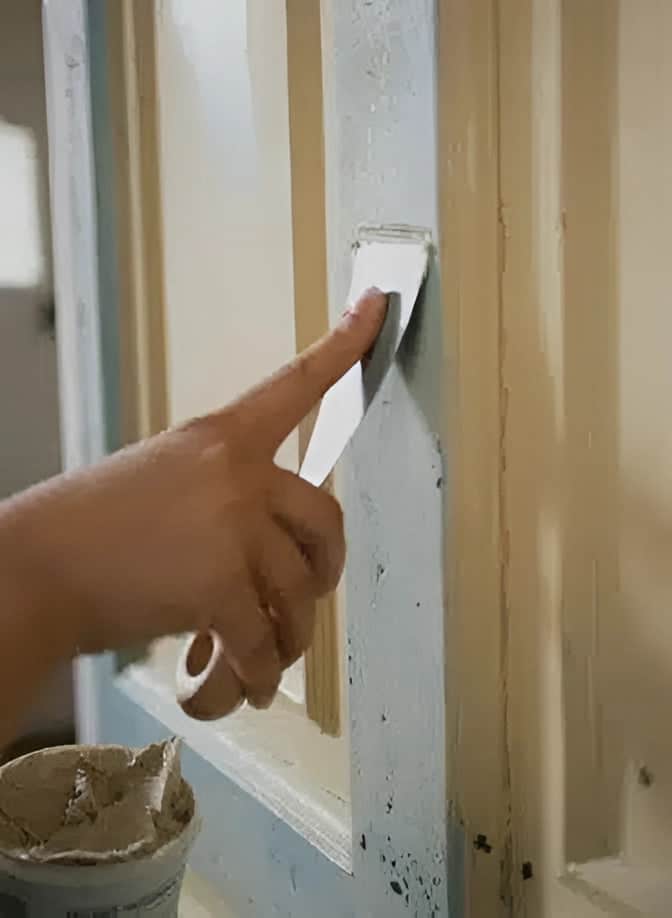
Smooth the joints before the putty sets using your spatula for clean lines. Remove any overflow promptly with a damp cloth before the epoxy begins to harden, but avoid excess water that could interfere with the bond. For textured surfaces, lightly sponge the grout lines to match the existing appearance, taking care not to drag resin over the tile faces.

Step 5: Allow the Epoxy Grout to Cure
Allow full cure before regular use. Most epoxy grouts reach initial set within hours, but full chemical resistance and mechanical strength develop over 24–48 hours. Avoid stepping on or washing the floor during this period. Ventilate the area well for safe curing, and remove all tools and residues promptly to avoid permanent bonding.
Tips and Common Mistakes
- Always work at the recommended temperature; epoxy grouts typically require at least 10°C for optimal curing and application.
- Carefully measure both epoxy components – incorrect ratios result in weak or tacky grout.
- Do not mix more putty than you can apply within the pot life (working time).
- Clean excess putty from tile or stone faces immediately; dried epoxy can be difficult to remove.
- Ensure all tools are non-porous and cleaned straight after use, as cured epoxy is very tough.
Grouting Success: Key Results in Epoxy Floor Joints
Notice the seamless, durable finish of a freshly grouted floor using epoxy putty. Visual examples highlight properly filled, smooth joints beside common application missteps—like underfilled gaps or excess surface residue—helping you recognise when your grout lines are perfectly executed.
- "Magelstick" – Epoxy Mastic for Stone, Metal, and Cement Bonding and GroutingPrice range: £43.85 through £166.45"Magelstick" Epoxy Mastic is designed for professional bonding and grouting of stone, metal, and cement surfaces in restoration and repair tasks.
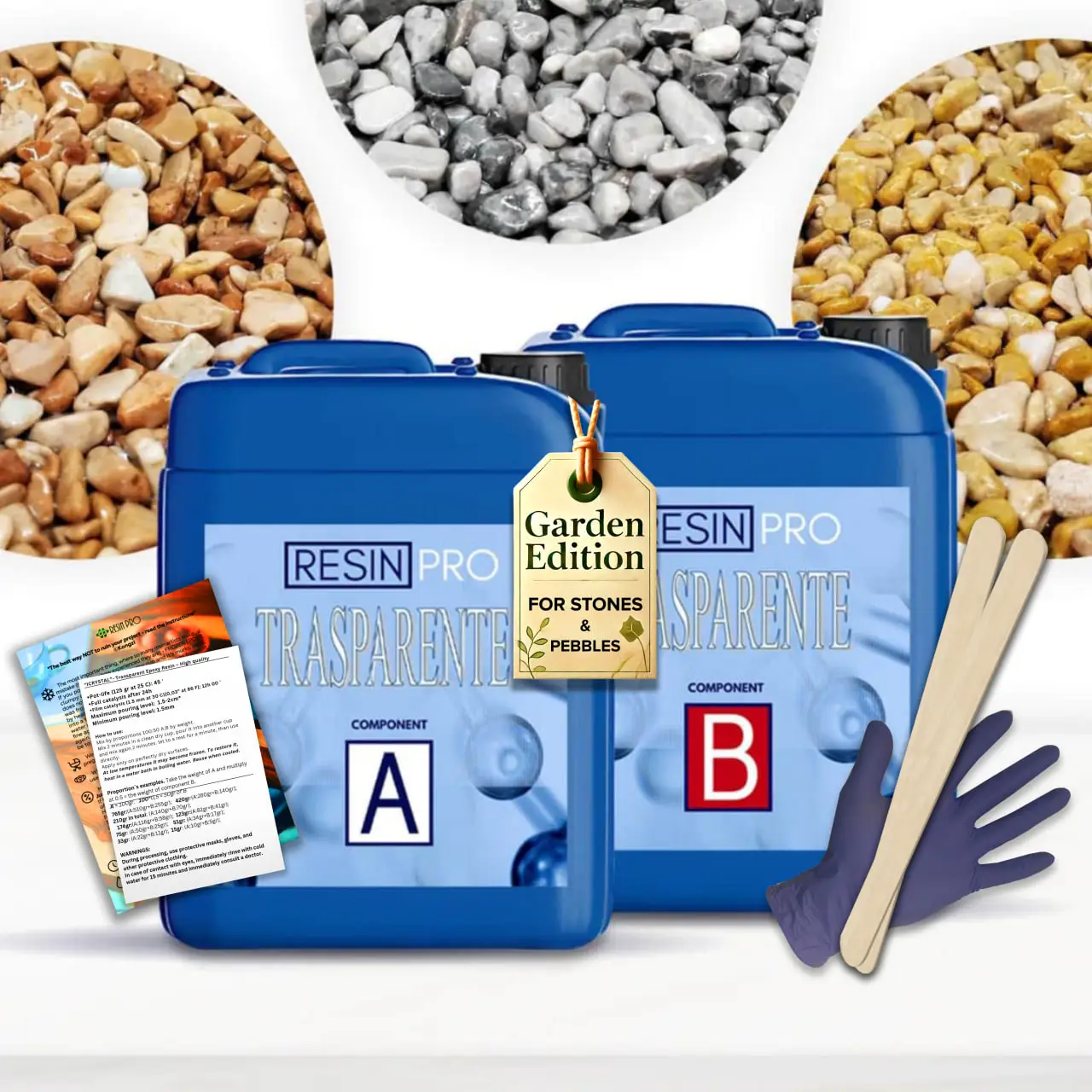
- "Trasparente" – Epoxy Binder for Coloured Pebbles and GritsPrice range: £31.85 through £948.85"Trasparente" epoxy binder offers a clear, UV-stable finish suited to coloured pebbles and grits for flooring projects.
 "Flowstone" – Complete Permeable Floor Kit with Pebbles and ResinPrice range: £42.85 through £3,389.85The Flowstone kit provides an easy-to-apply, durable permeable floor system with pebbles and resin for outdoor areas.
 Tooth Shaped Spatula for Epoxy Resin Application£3.15The Tooth Shaped Spatula offers precise resin application for various surfaces, suitable for epoxy resin projects requiring a smooth and even spread.
Frequently Asked Questions
What surfaces are suitable for grouting with epoxy putty?
Epoxy putty is ideal for natural and artificial stone, ceramic, metal, and cement flooring. Always check compatibility with your surface.
What is the minimum temperature for applying epoxy grout?
Most epoxy putties require at least 10°C for proper curing and handling. Avoid application in colder conditions.
How long should I wait before using the floor after epoxy grouting?
Initial set occurs in hours, but full strength and chemical resistance are reached after 24–48 hours. Avoid traffic during this time.
What is the best way to clean epoxy putty off tiles during grouting?
Wipe excess putty with a damp cloth immediately. Once cured, epoxy is very difficult to remove mechanically.
What is the typical mixing ratio for epoxy putty grouts?
Always follow the product instructions, such as a 100:50 base to hardener ratio, for best performance and curing.
Which tools are best for applying and smoothing epoxy grout?
A notched or tooth-shaped spatula enables an even spread and smooth finish, ideal for both filling and shaping grout lines.
Is grouting floors with epoxy putty suitable for DIY projects?
Yes, provided you follow instructions and safety guidelines, epoxy grouting can be handled by capable DIYers as well as professionals.