 Free shipping on orders over £29,85
  Shipping Tracking!


 Google
 Facebook
← Back to How do you cover bathroom tiles with resin?
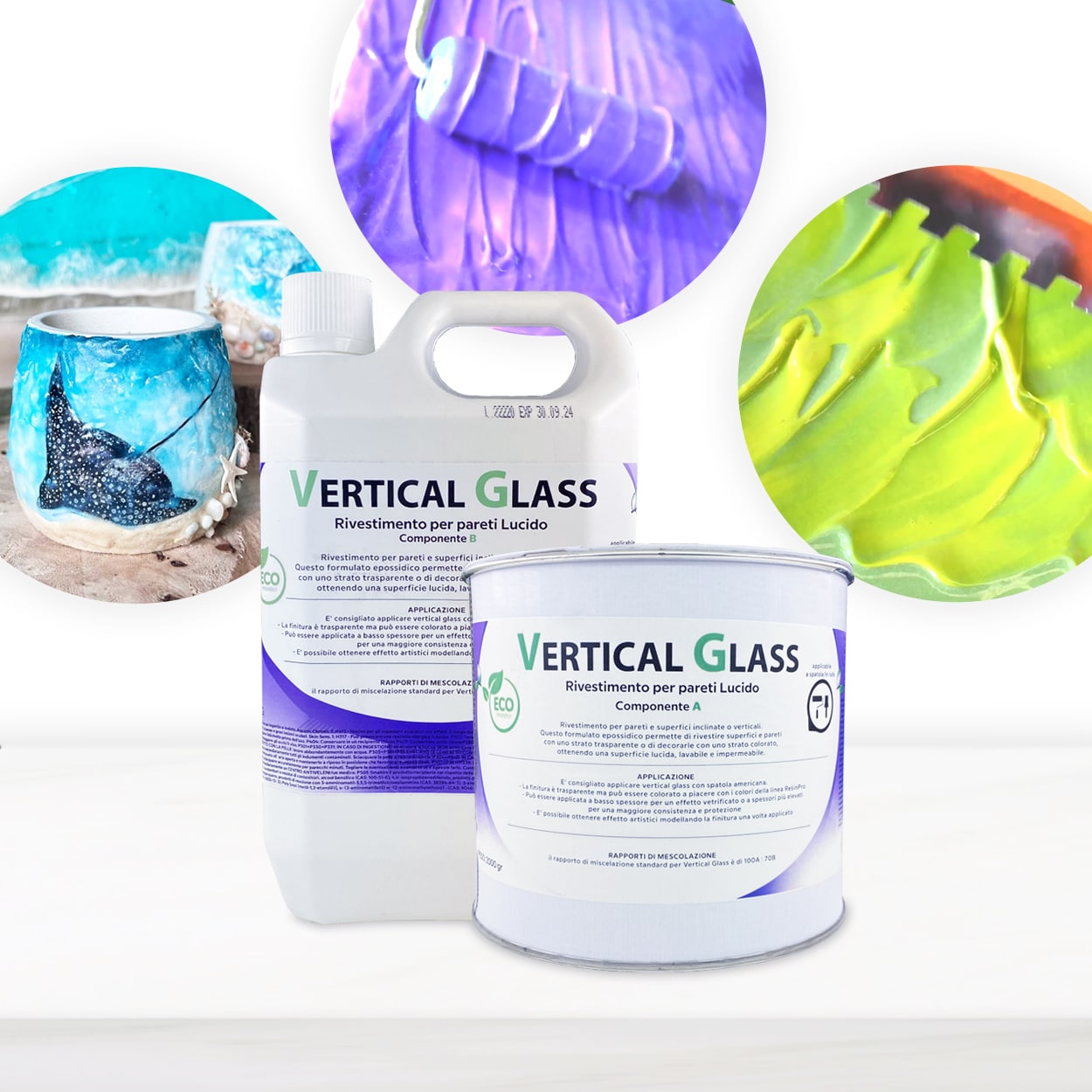
Choosing the right resin for bathroom walls is essential for achieving a robust, decorative finish that stands up to moisture. Not every resin is designed for vertical tiles, so it’s important to pick a formula suited to the job.
The Qualities Needed for Vertical Tile Coating
When coating wall tiles, it’s vital to use a resin that won’t run or drip down vertical surfaces. Traditional self-levelling resins are not ideal for bathroom walls as they tend to move and lose decorative definition. Instead, opt for a thixotropic, non-self-levelling epoxy like Vertical Glass – Thick Resin Decorative Wall Coating. This type remains stable, maintaining sharp patterns and an even layer across the tiles, even when applied to slopes or tight corners.
Practical Application & Buying Advice
Preparation is key: ensure tiles are clean and dry before beginning. For best adhesion, a suitable primer such as Epoxyprimer can be used. Once primed, apply the thixotropic resin with a spatula, enabling both thin vitrified effects and thicker, protective layers. These coatings are easy to wash and resistant to the high humidity present in bathrooms. For decorative finishes, you can add pigments or metallics before application for a custom result.
When a Specialised Vertical Resin Matters
Using a resin made for walls is crucial for projects where moisture resistance, appearance, and reliability are priorities – especially in bathrooms and wetrooms. It prevents runs and ensures a consistent finish that regular flooring or casting epoxies would struggle to achieve upright. If your design calls for artistic effects, opt for a dense, non-drip formula like Art Pro for smaller or more decorative features.
Related products
Related guides
Choosing the right resin ensures your vertical bathroom tiles not only look impressive but are also protected for everyday use. For more tips and comprehensive advice, see our full guide on how to cover bathroom tiles with resin.