 Free shipping on orders over £29,85
  Shipping Tracking!


 Google
 Facebook
How do you finish the floor with two-component epoxy putty?
Step-by-step guide for a durable, professional floor result
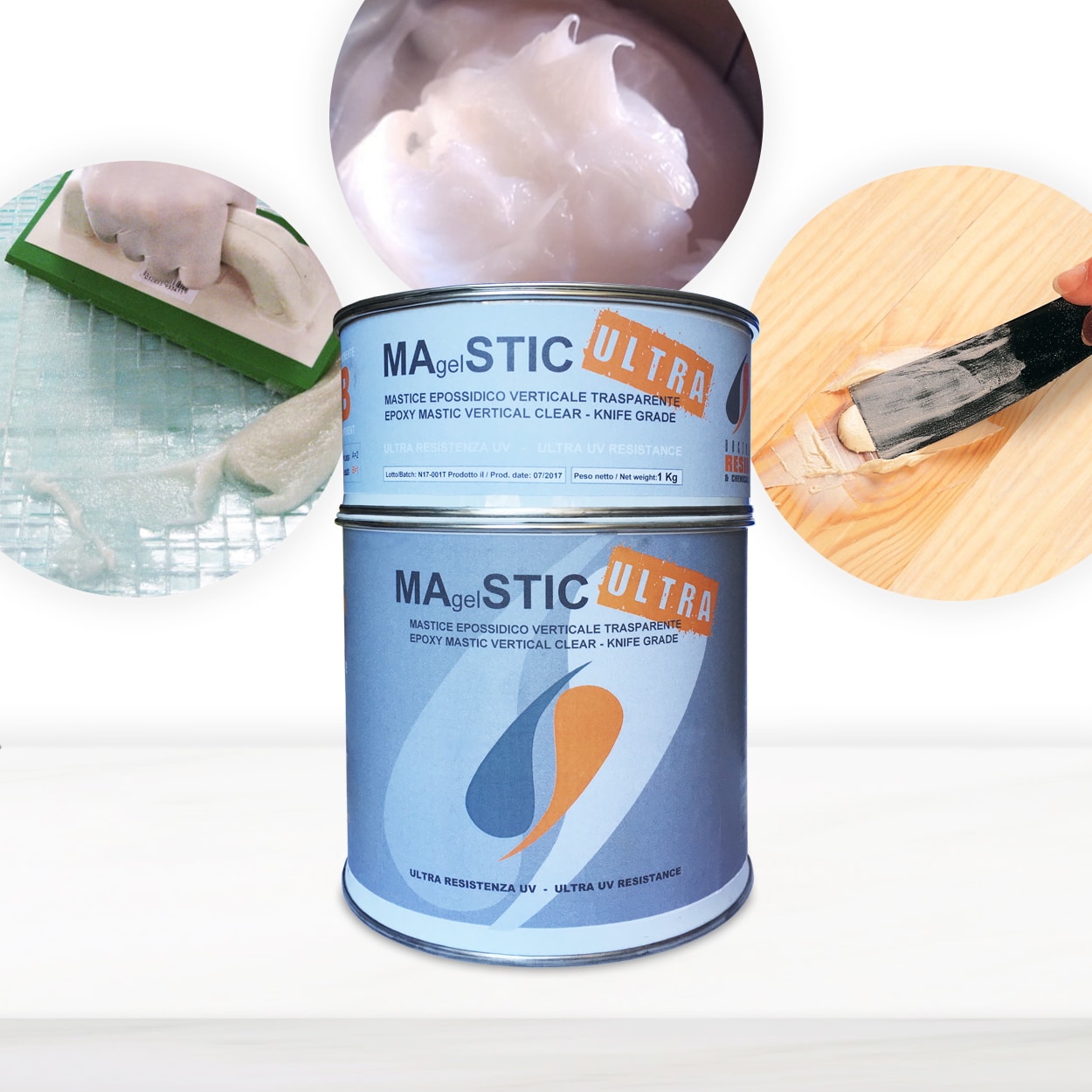
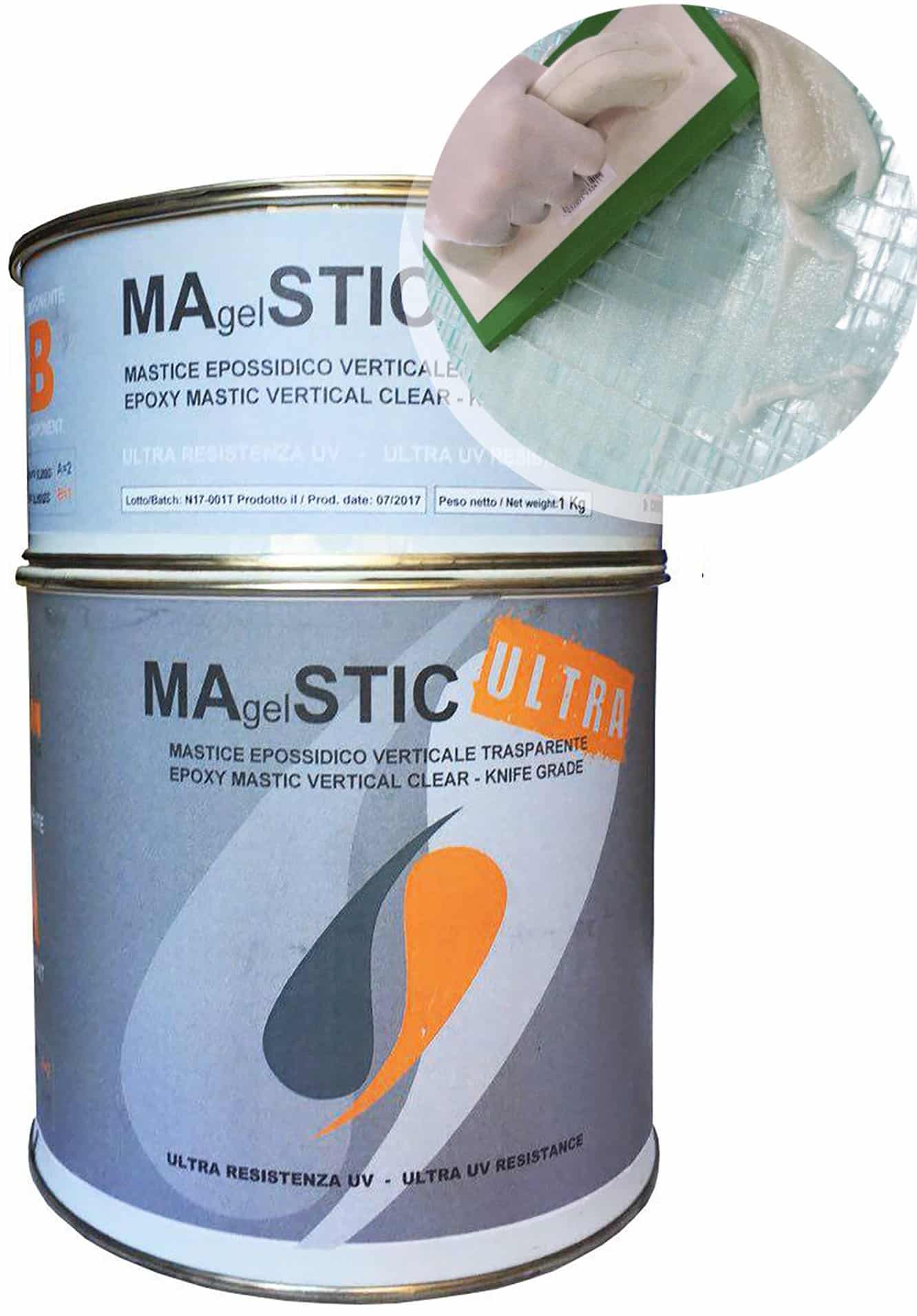
Finishing a floor with two-component epoxy putty creates a seamless, robust, and attractive surface ideal for both residential and commercial spaces. Whether you are renovating an old surface or installing a new one, this technique delivers outstanding resistance to daily wear, chemical exposure, and moisture, while offering a modern aesthetic. This guide will walk you through the essential steps to achieve a professional-quality epoxy putty floor finish.
What You’ll Need
- “Epoxyprimer” – Universal Water-Based Two-Component Epoxy Floor Primer: A reliable base layer that maximises putty adhesion.
- “Magelstick” – Epoxy Mastic for Stone, Metal, and Cement Bonding and Grouting: Provides the main filling and smoothing layer for cracks and levelling.
- “Epoxy Polish” – Epoxy Resin Polishing System: For optional finishing and achieving a glossy look after curing.
- Mixing containers, spatula or trowel, gloves, and PPE (personal protective equipment).
- Vacuum or broom for cleaning.

Before You Begin: Understanding Epoxy Putty Application
Epoxy putty delivers a highly durable, seamless floor when applied correctly. Preparation and patience are the keys to flawless results. Wear gloves and eye protection as standard, and always allow ample curing time between layers.
Step 1: Prepare and Clean the Surface
Begin by ensuring your floor surface is solid, dry, and free from contaminants such as dust, oil, and loose debris. Use a vacuum or a soft broom to thoroughly remove all particles, paying particular attention to corners and cracks. If there are old coatings or flaking material, strip these away to expose a stable substrate. Proper substrate preparation is vital for long-lasting adhesion. For concrete, tiles, or timber, check that the surface is structurally sound before proceeding to the next step.
Step 2: Prime the Floor
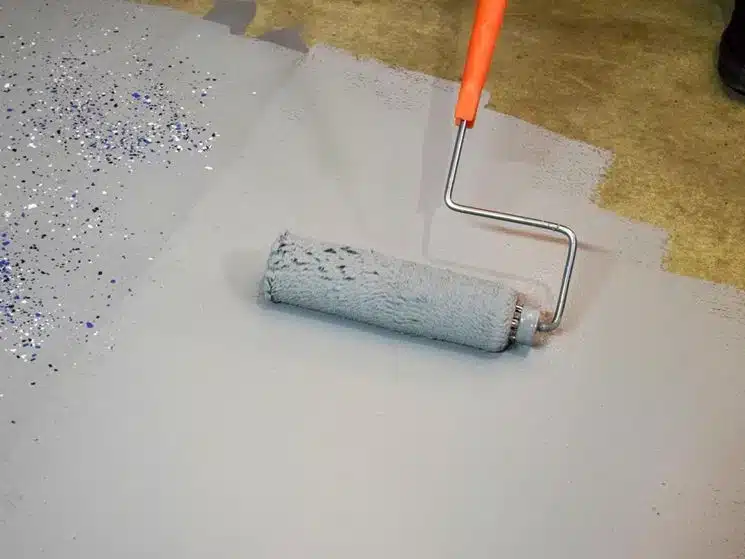
Achieving optimal bonding and durability starts with using a high-quality primer. Apply “Epoxyprimer” – Universal Water-Based Two-Component Epoxy Floor Primer evenly across the prepared surface using a roller or brush. Work in manageable sections to avoid missing any areas, and ensure the primer penetrates any pores for maximum effectiveness. Allow the primer to cure for 24–48 hours, or according to the product instructions. Priming will seal and stabilise the substrate, preventing future delamination or bubbling.
Step 3: Mix and Apply Two-Component Epoxy Putty
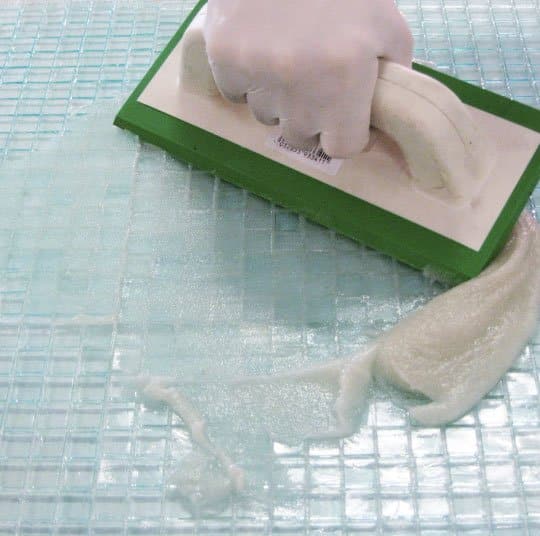
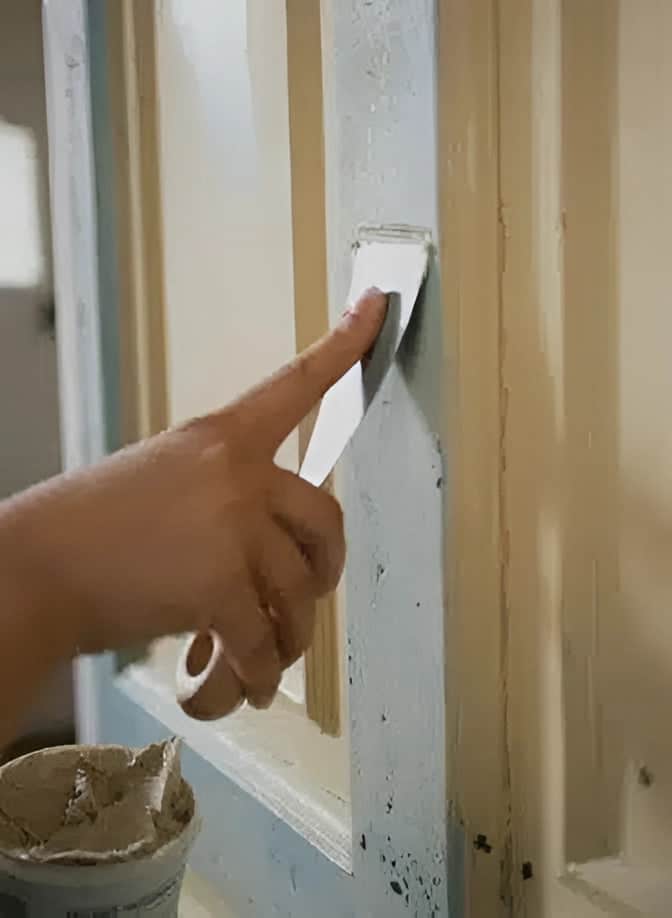
Once the primer has fully cured, it is time to prepare your epoxy putty. Carefully measure and mix the two components of the “Magelstick” – Epoxy Mastic for Stone, Metal, and Cement Bonding and Grouting as per the recommended ratio (typically 100:50 by weight), ensuring a thorough blend for consistent performance. Use a spatula or trowel to apply the mastic onto the floor, beginning with deeper holes or cracks before covering the entire surface. Spread the putty evenly, working in sections and levelling as you go to achieve a uniform thickness. Remove excess material to maintain a flat finish. Allow each layer to fully cure before proceeding, and if necessary, sand down any imperfections before applying additional coats for levelling.
Step 4: Finishing and Polishing
After the epoxy putty layer is fully cured (refer to the product’s recommended curing time), inspect the floor for minor surface irregularities. Lightly sand as needed to smooth out the surface, then vacuum to remove dust. For a brilliant, glossy finish, use “Epoxy Polish” – Epoxy Resin Polishing System along with a polishing pad or rotary tool. Polish in circular motions to reveal the epoxy’s sheen and enhance durability, particularly in high-traffic zones. This last step is optional for floors where a satin or matte look is preferred.
Tips and Common Mistakes to Avoid
- Ventilate your workspace and wear protective clothing while mixing and applying epoxy materials.
- Never rush the curing process; patience ensures strength and a flawless appearance.
- Measure component ratios accurately with digital scales to avoid weak spots or tacky results.
- Address any surface moisture issues before starting to prevent bonding problems.
- Always follow the manufacturer’s instructions for each product to ensure compatibility and performance.
Expert Finishing Touches for Epoxy Floors
Polishing with a resin-specific system can transform your floor’s look and feel. Finishing steps not only enhance shine but also offer additional surface protection, making regular cleaning easier in the long term.

- "Epoxyprimer" – Universal Water-Based Two-Component Epoxy Floor PrimerPrice range: £148.84 through £272.45"Epoxyprimer" is a two-component water-based floor primer designed for reliable adhesion on concrete, tiles, timber, and screed surfaces.
- "Magelstick" – Epoxy Mastic for Stone, Metal, and Cement Bonding and GroutingPrice range: £43.85 through £166.45"Magelstick" Epoxy Mastic is a professional bi-component putty designed for durable bonding and grouting of stone, metal and cement in restoration.
 "Epoxy Polish" – Epoxy Resin Polishing SystemPrice range: £17.85 through £44.85Epoxy Polish is designed for a mirror-like glossy finish on resin projects, suitable for professionals and enthusiasts alike.
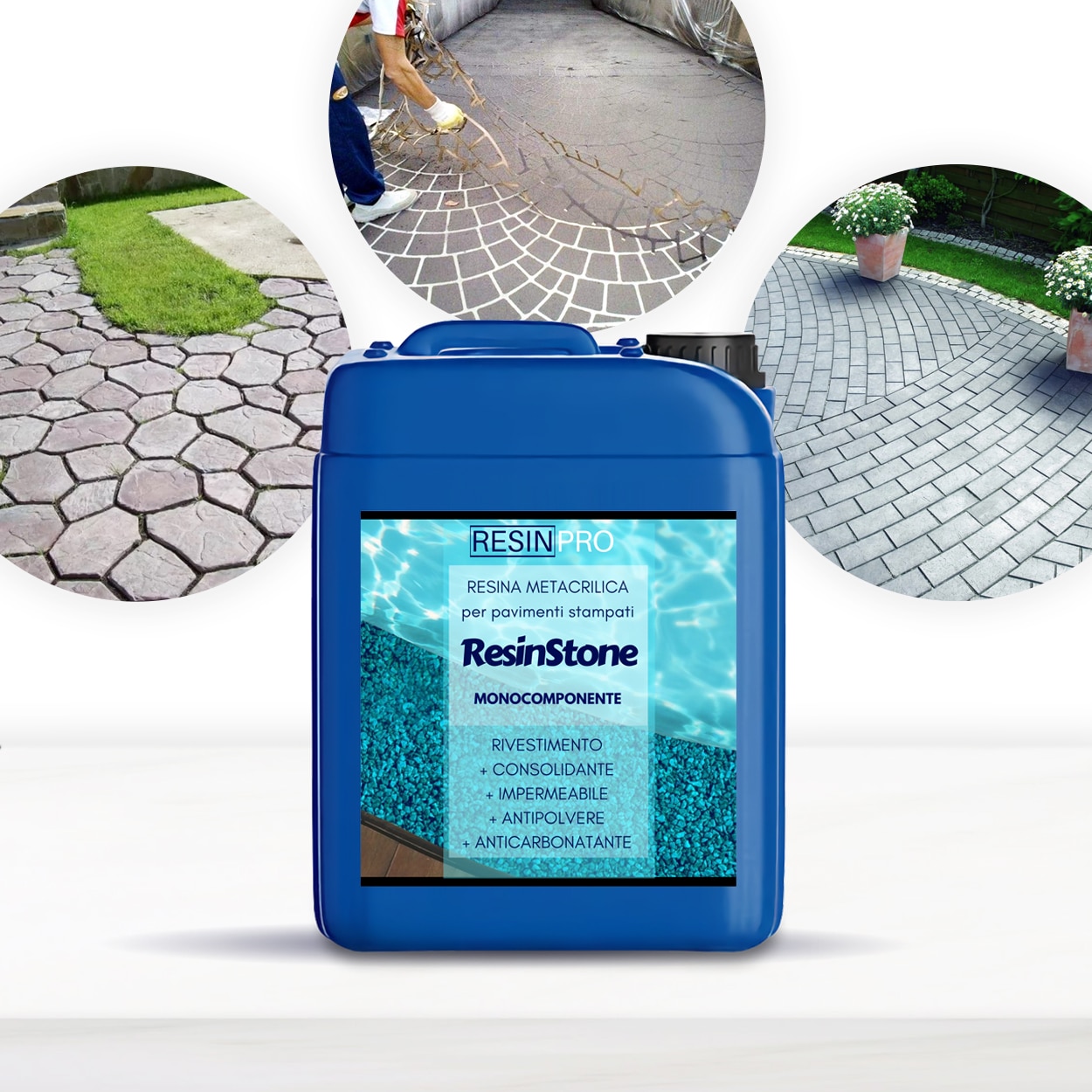 "Resinstone" – One-Component Methacrylic Resin for Concrete Floors and DrivewaysPrice range: £29.85 through £59.85"Resinstone" is a one-component methacrylic resin designed for sealing and protecting concrete floors and driveways with durable resistance.
Frequently Asked Questions
How should I prepare my floor before applying epoxy putty?
Ensure the surface is solid, clean, dry, and structurally sound. Remove dust, grease, and loose debris before priming.
How long do the primer and epoxy putty take to cure?
The primer typically requires 24–48 hours, while the epoxy putty's curing time varies by thickness and conditions. Always check product guidance.
What is the best way to mix two-component epoxy putty?
Measure the components accurately by weight and mix thoroughly until a uniform consistency is reached to avoid setting or strength issues.
Is it necessary to polish epoxy putty floors after curing?
Polishing is optional but recommended for a high-gloss, smooth finish. It also helps protect against scratches and simplifies cleaning.
What causes bubbles or tacky spots in epoxy floors?
Common causes include insufficient mixing, improper ratio, application over damp surfaces, or rushed curing. Always follow usage instructions closely.
At what temperature should I apply epoxy putty?
Apply above 10°C in a ventilated area to ensure proper curing. Avoid low temperatures, which can delay hardening or affect adhesion.
What safety precautions are needed for working with epoxy?
Always wear gloves, eye protection, and ensure good ventilation. Keep materials and tools out of reach of children.
Can I use epoxy putty on tiled or timber floors?
Yes, when properly primed and prepared, epoxy putty can be used on ceramic tiles or timber surfaces as well as concrete.