 Free shipping on orders over £29,85
  Shipping Tracking!


 Google
 Facebook
← Back to How to build a wooden and resin table?
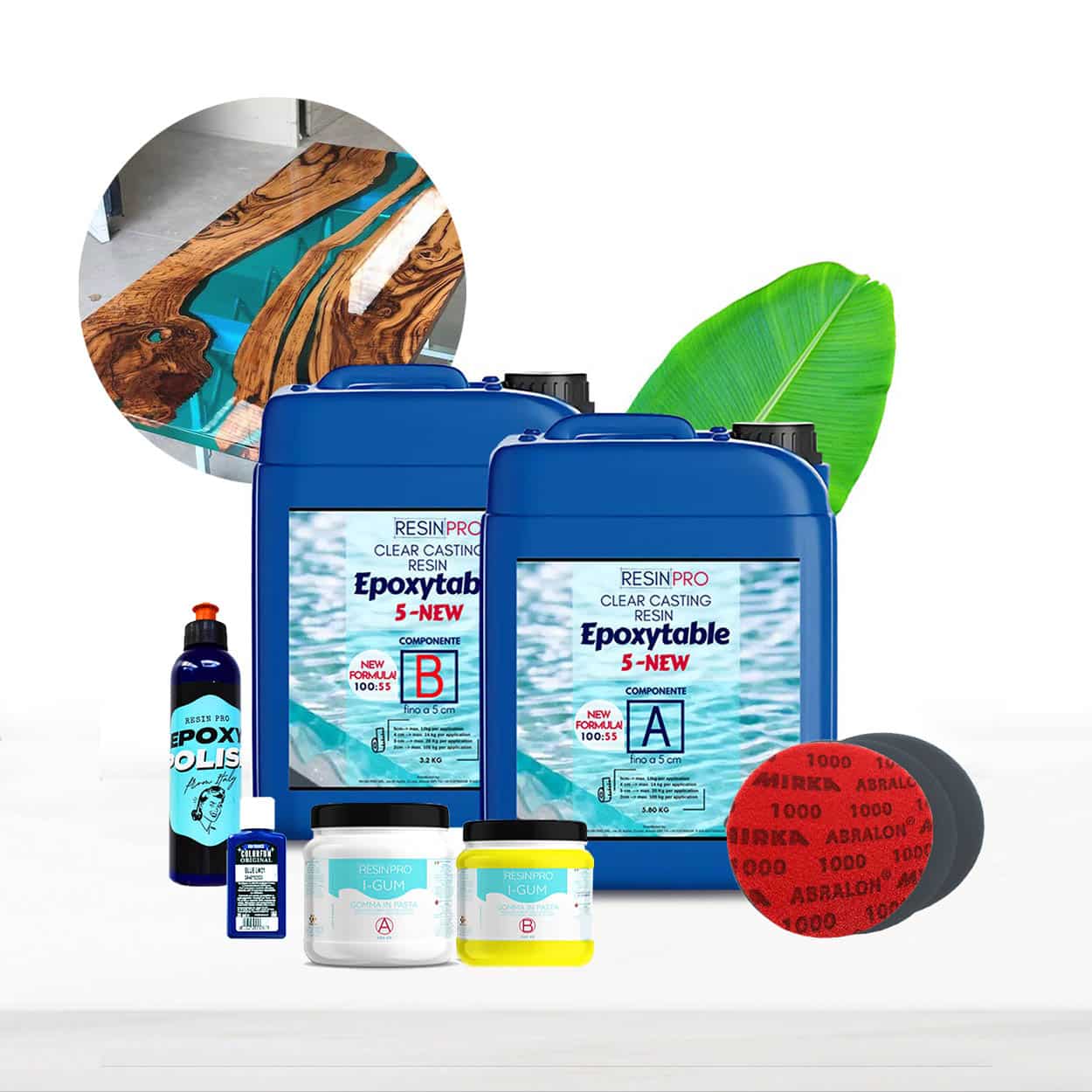
If you’re planning to build a wood and resin table, getting your epoxy pour timings right is crucial for a successful finish. Pouring each layer at the optimal time prevents imperfections and ensures strong bonding between layers.
Understanding the Curing Window
For most table projects, you should allow the previous epoxy layer to become firm to the touch before applying the next layer. Typically, this means waiting anywhere from 6 to 24 hours, depending on the specific resin used and the temperature of your workspace. If the surface feels firm (not tacky), it’s usually ready for the next pour—though the time may vary with the type of product and layer thickness.
Practical Tips for Perfect Layers
- Check the surface: Gently touch an inconspicuous spot with a gloved finger; if it leaves no mark or doesn’t stick, you’re safe to proceed.
- Maintain a clean workspace: Dust and debris can settle between layers if you wait too long.
- Use compatible products: Some kits, like the “River-Table” complete kit, are designed for multi-layer pours with full instructions included.
- Avoid rushing: Pouring too soon can result in cloudy joins or layer mixing, while leaving it too long may require light sanding for good adhesion.
When Layer Timing Matters Most
Getting the timing right is especially important for thick pours common in river tables, or when your project needs several layers for deeper effects. Following recommended wait times will help you achieve a smooth, professional-looking result without surface defects or weak joins.
Related products
Related guides
Allowing adequate time between epoxy layers is a vital step in building a sturdy and flawless wood and resin table. For more tips on perfecting your table project, see our complete guide to building wooden and resin tables.