 Free shipping on orders over £29,85
  Shipping Tracking!


 Google
 Facebook
← Back to How to build a wooden and resin table?
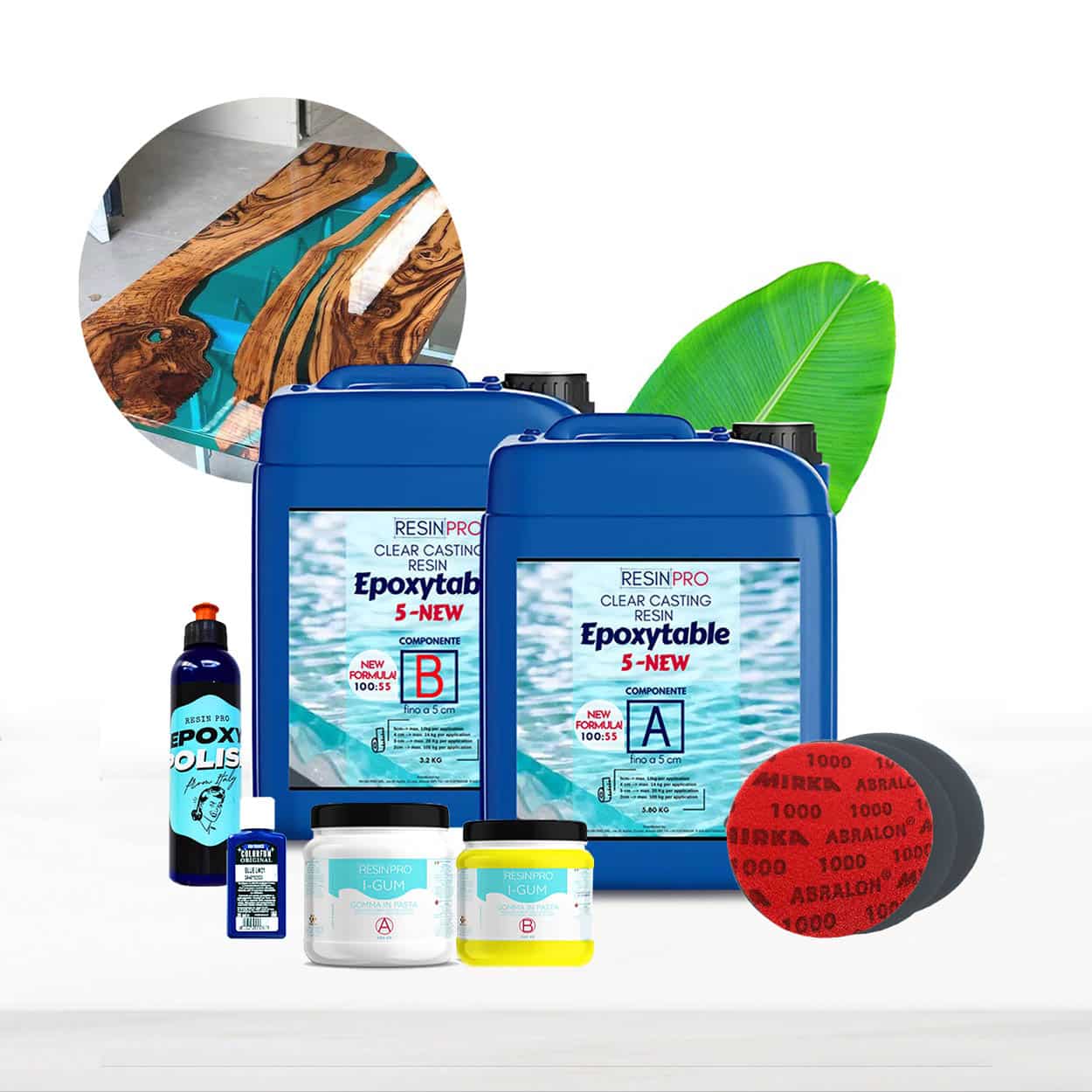
Bubbles are a common frustration when pouring resin for wooden and resin tables. With the right approach, you can achieve a smooth, crystal-clear finish every time.
Prepare and Mix Slowly
To minimise bubbles from the start, ensure your work area is clean and your materials are at a similar temperature. When mixing your resin and hardener, pour them together gently and stir slowly using a flat paddle or spatula. Vigorous mixing introduces air, so steady motions are best. If your kit includes low-viscosity resin, such as the EpoxyTable 5-Five, you’ll find bubbles naturally rise to the top more easily.
Pour in Stages and Release Bubbles
Gradual pouring helps reduce trapped air. Pour the resin in a slow, steady stream starting from one corner, allowing time for bubbles to work their way up and out. Once poured, pass a heat gun or a hairdryer set to low heat over the surface in quick sweeps – the gentle warmth brings bubbles to the top, where they quickly pop. It’s best not to overheat, as this may affect curing.
When This Matters Most
- Thicker pours, such as river tables or deep castings, are especially prone to bubbles.
- Detailed wooden features and cavities can trap air, so inspect and pre-seal these if possible.
- For very deep projects, select a resin formulated for bubble reduction over large volumes, like “Epoxytable 10-Ten”.
Related products
Related guides
With careful mixing, staged pouring, and a little finishing heat, you can greatly reduce bubbles and achieve beautiful results. For more detailed guidance on the process, visit our main guide on how to build a wooden and resin table.