 Free shipping on orders over £29,85
  Shipping Tracking!


 Google
 Facebook
← Back to How to build a wooden and resin table?
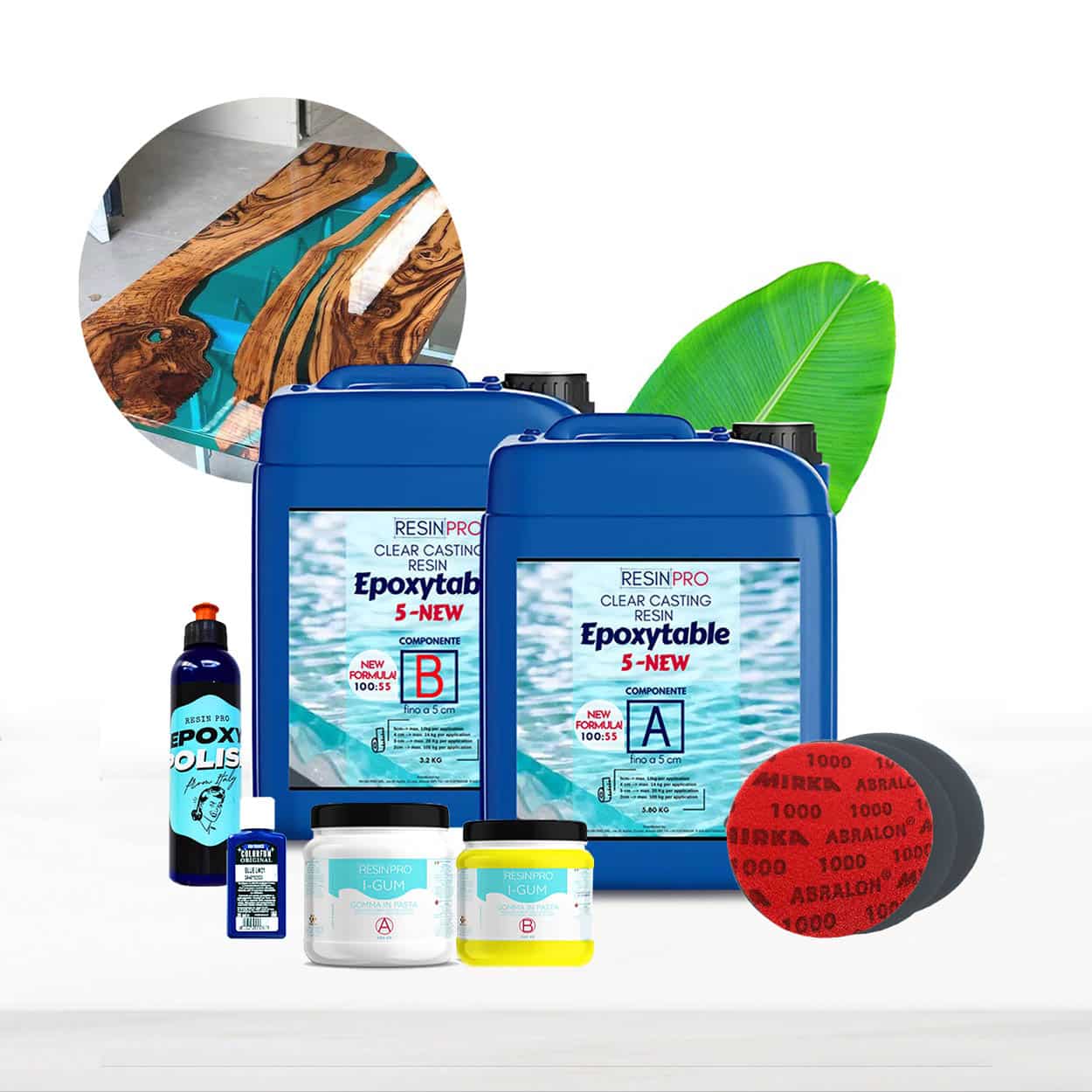
Sealing wood before pouring epoxy resin is an essential step if you want flawless results and a professional finish on your resin and wood table project.
Why Pre-Seal Wood Before Epoxy Resin?
Wood is naturally porous, which means air and moisture can escape from its surface and create bubbles when resin is poured over it. Applying a thin seal coat of epoxy resin first helps block these pores, significantly reducing the formation of air bubbles or ‘fisheyes’ and improving the bond between the resin and the wood. This extra care ensures better clarity and a longer-lasting result in your finished piece.
How to Seal Wood Before Resin Pouring
- Clean the surface: Remove all dust and grease so nothing interferes with adhesion.
- Apply a thin resin layer: Use a brush or spreader to cover the wood evenly with a thin coat of epoxy resin. Work it into the grain, but avoid excess pooling.
- Allow to cure: Give the sealing coat time to cure as per product instructions before pouring your main resin layer.
Many table makers, especially beginners, find that using a complete kit—such as the “River-Table” Complete Kit—simplifies this process by including everything you need for sealing and pouring.
When This Matters Most
Proper sealing is especially important with softer or highly grained woods, or if your design features deep resin pours. It is also recommended for anyone aiming for a crystal-clear, even finish on both small and large resin table projects.
Related products
Related guides
Taking the time to seal your wood before an epoxy pour means you start your table-making journey on the right foot. For more step-by-step help, explore our guide on how to build a wooden and resin table.