 Free shipping on orders over £29,85
  Shipping Tracking!


 Google
 Facebook
← Back to How to build a table with epoxy resin?
Demoulding an epoxy table can be a pivotal step in any project. Proper techniques and preparation help prevent damage and ensure a smooth result.
Preparing Your Mould for Easy Release
To make demoulding straightforward and safe, start by choosing mould materials that do not bond with epoxy, such as melamine, HDPE, or silicone. Always use a quality release agent or a dedicated non-stick tape on all internal surfaces before pouring your resin. This crucial preparation reduces the risk of the epoxy table adhering to the mould and lowers the chance of chips or cracks during removal.
- Line the formwork with release tape for effortless separation.
- Apply a thin layer of a recommended release agent if using wooden or porous moulds.
Safe Techniques for Demoulding
Once your epoxy has cured, take a gentle approach to releasing your table from the mould. Start by loosening the edges with a non-marring plastic wedge or similar tool. Carefully work around the perimeter, applying consistent, even pressure. Avoid using metal objects that could mar or scratch the resin surface.
- Allow the resin to fully cure before demoulding – refer to your epoxy’s guidelines.
- If you encounter stubborn spots, brief warming with a heat gun can help (use caution and keep movement gentle).
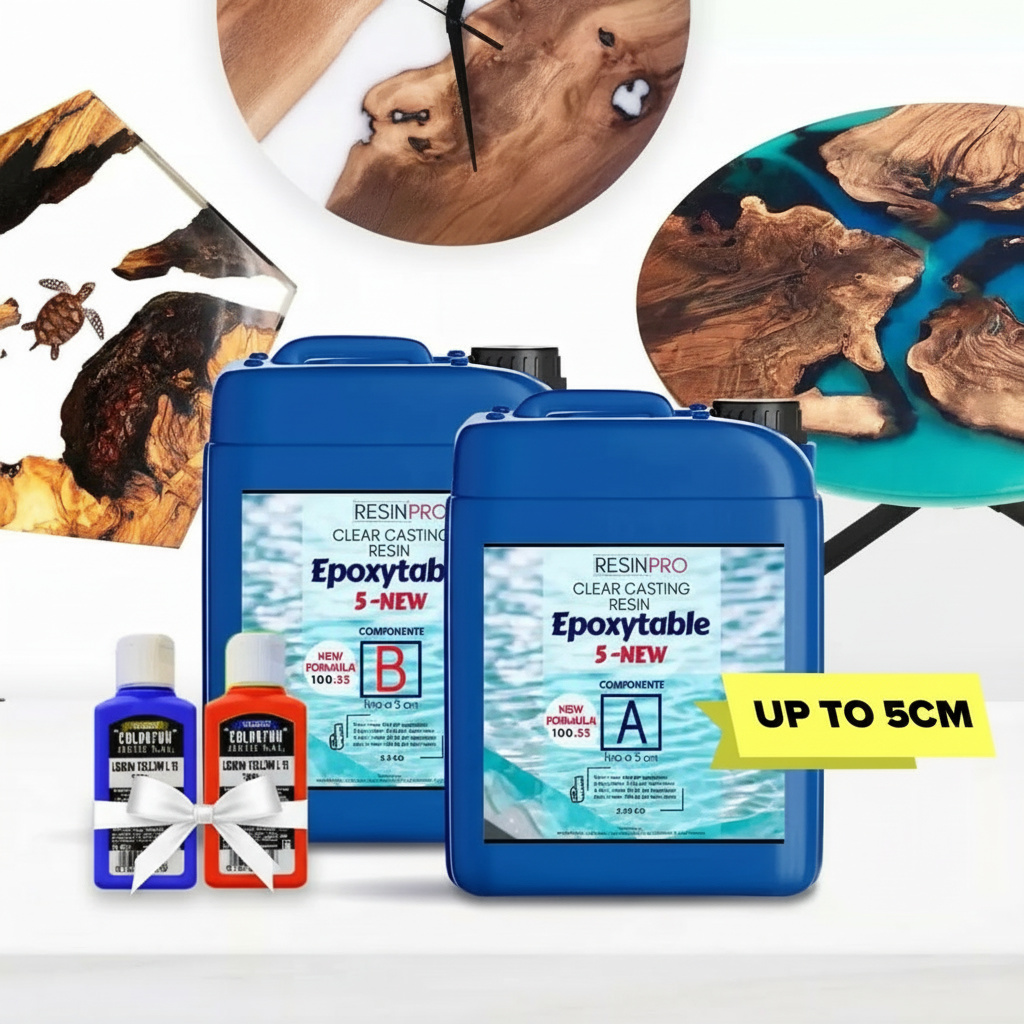
Using a complete kit, such as the River-Table kit, provides access to special release film and sealant for the mould, simplifying the process.
When This Matters Most
Careful demoulding is especially important for intricate table edges, large surfaces, or projects using deep pour resins. Any forceful attempt can result in cracks or surface defects – a risk easily avoided with proper setup and patience.
Related products
Related guides
With careful mould preparation and patient removal, you can achieve a flawless epoxy table surface and preserve the clean lines vital to a showpiece. For more advice on building your perfect resin table, visit our main epoxy table guide.