 Free shipping on orders over £29,85
  Shipping Tracking!


 Google
 Facebook
← Back to How to build a resin planter?
Resin planters offer creative, long-lasting containers for greenery, but many gardeners wonder if resin is safe for planting directly. Here’s what you need to know before choosing a resin planter for your real plants.
Is Resin Safe for Plant Growth?
Once fully cured, most resins form a solid, inert surface that makes them generally safe for live plants. There’s little risk of harmful substances leaching into the soil, making cured resin suitable for decorative and functional planters. However, for best plant health, especially with more sensitive species, it’s wise to take some precautions.
Tips for Using Resin Planters with Real Plants
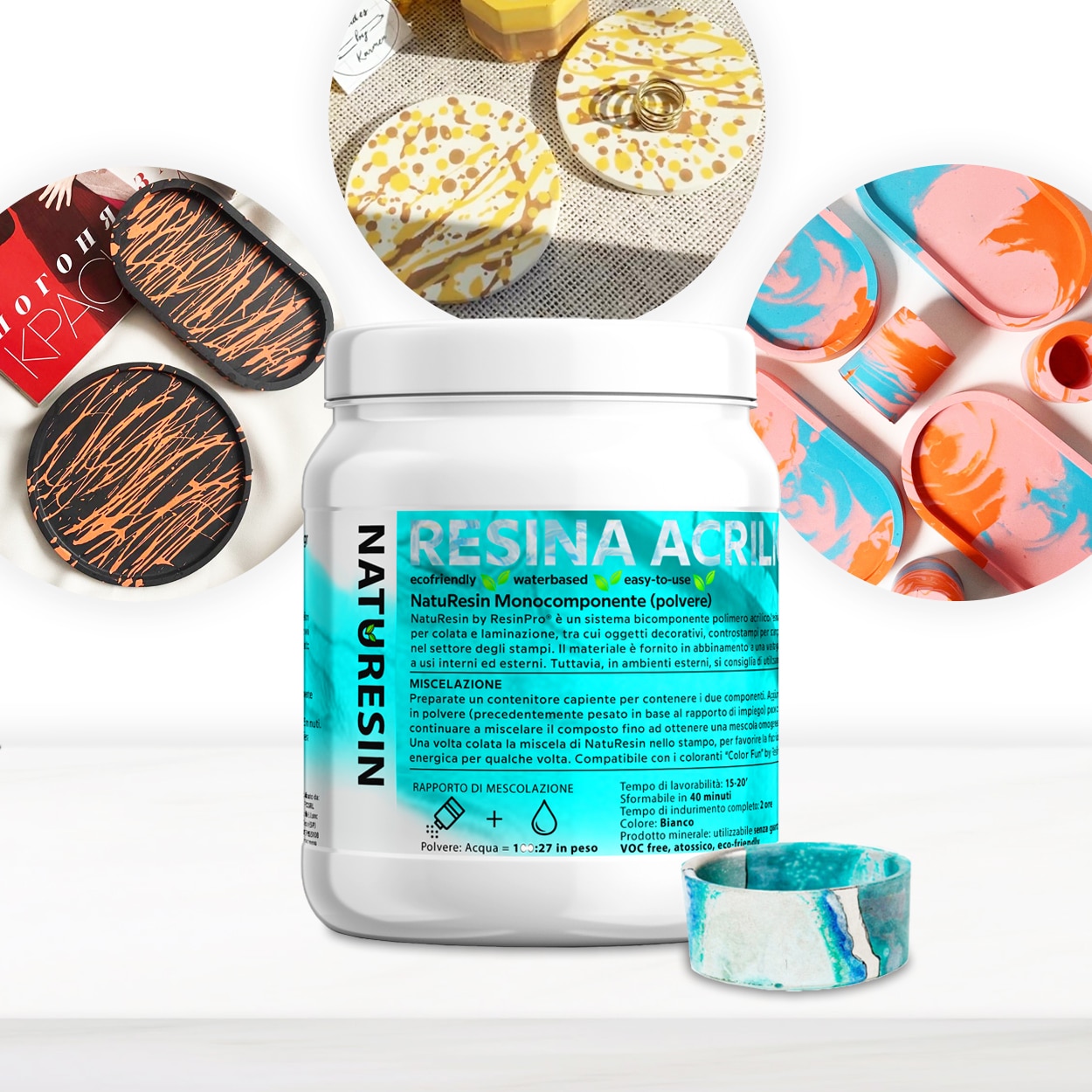
If you wish to plant directly into a resin planter, consider adding an inner waterproof sealant. This extra barrier helps prevent moisture from seeping through, reducing any risk of damage to the resin from prolonged soil contact and helping keep roots healthy. For larger or outdoor containers, look for robust, water-resistant resins such as NatuResin, which provides a ceramic-like finish suitable for exposed environments.
- Allow resin to cure completely before using with plants.
- Add drainage holes to avoid waterlogging.
- Consider a nursery pot insert for added protection and easier transplanting.
When Resin Planters Matter Most
Resin planters are ideal for those who want custom designs, lightweight options, and weather resistance in both indoor and outdoor spaces. They’re especially helpful where ceramic or concrete containers would be too heavy or where you want to add creative effects with kits like the Vase Resin Art Kit.
Related products
Related guides
Choosing the right resin and setup ensures your planters look stylish while remaining safe for your plants. For more ideas and guidance on crafting your own resin containers, explore our main guide on how to build a resin planter.