 Free shipping on orders over £29,85
  Shipping Tracking!


 Google
 Facebook
← Back to How to make resin moulds?
Casting resin in silicone moulds is a popular method for creating artistic or functional items. Choosing the right resin can make all the difference in the detail, durability, and speed of your finished piece.
Epoxy vs Polyurethane: Which to Choose?
Both epoxy and polyurethane resins are commonly used with silicone moulds. Epoxy resin is favoured for its clarity, ease of use, and suitability for layered projects, making it a dependable choice for crafting decorative trays or jewellery where visual quality is key. Polyurethane resin, meanwhile, offers a faster cure time and higher fluidity, which is excellent for capturing fine details and quickly producing prototypes or small decorative pieces. Each resin type delivers reliable results but excels in slightly different scenarios based on your project’s speed, clarity, and intricacy requirements.
Getting the Best Results from Your Resin Casting
To achieve crisp, bubble-free casts in a silicone mould, select a resin with good fluidity—such as a fast-curing polyurethane for rapid turnaround and low bubble formation, or a professional-grade epoxy for broader creative applications like the Tray Kit with Silicone Mould and Colour Dyes. Always follow the mixing and pour instructions, and consider warming your mould slightly or using a release agent when aiming for maximum detail. Proper ventilation and personal protection are important, especially with polyurethane systems.
When This Matters Most
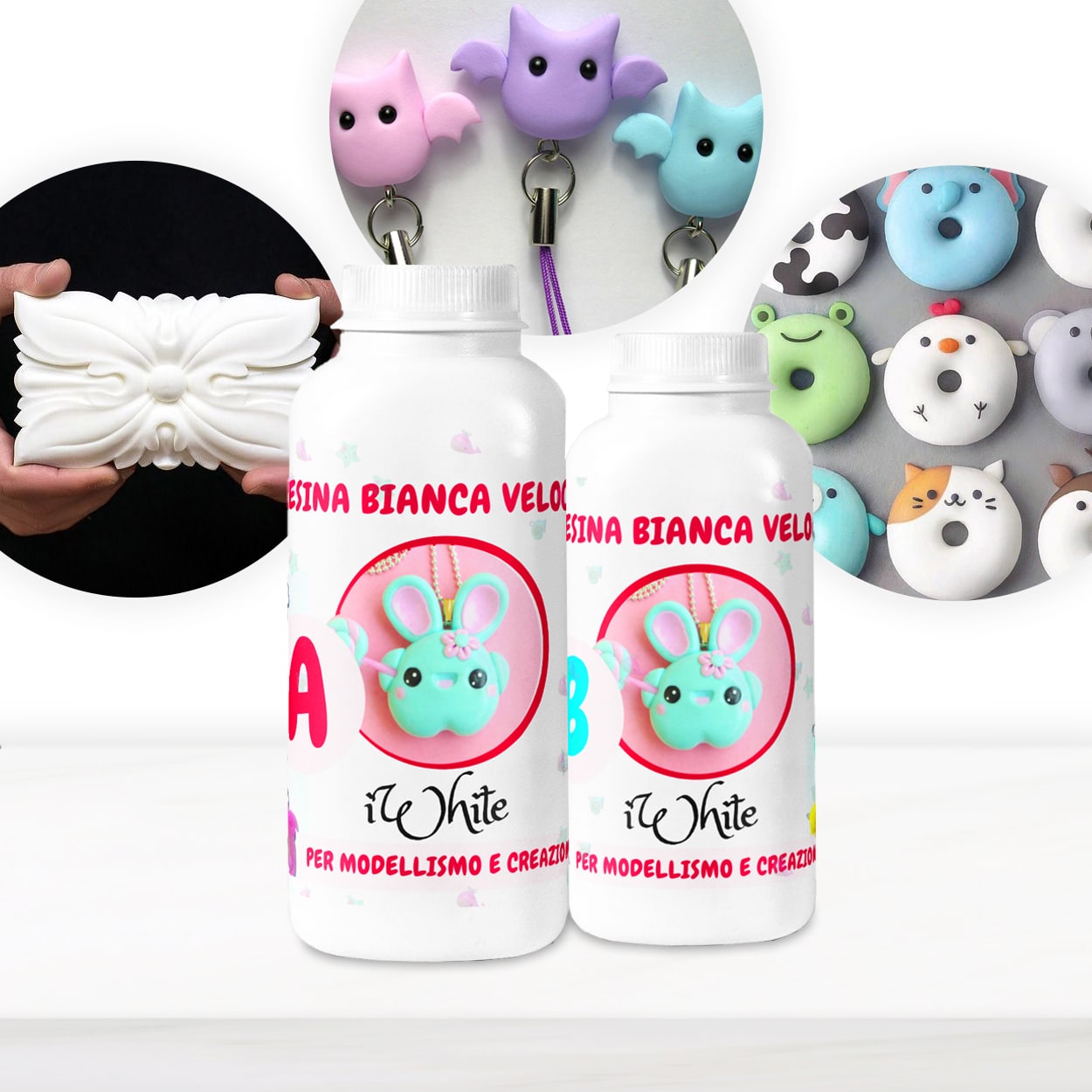
Choosing the ideal resin type is particularly important if you need fast demoulding (for rapid prototyping or multiple quick batches), or if the mould features intricate designs. In these cases, a fluid, fast-set polyurethane resin—like the IWhite Polyurethane Casting Resin—allows you to achieve fine detail and efficiency. For projects where appearance and working time are more critical, a quality epoxy remains a sound choice.
Related products
Related guides
Finding the best resin for your silicone mould casting depends on your desired speed, finish, and level of detail. For more insights and practical how-tos, explore our main advice on How to Make Resin Moulds.