 Free shipping on orders over £29,85
  Shipping Tracking!


 Google
 Facebook
How to make resin moulds?
A step-by-step guide for beginners and crafters
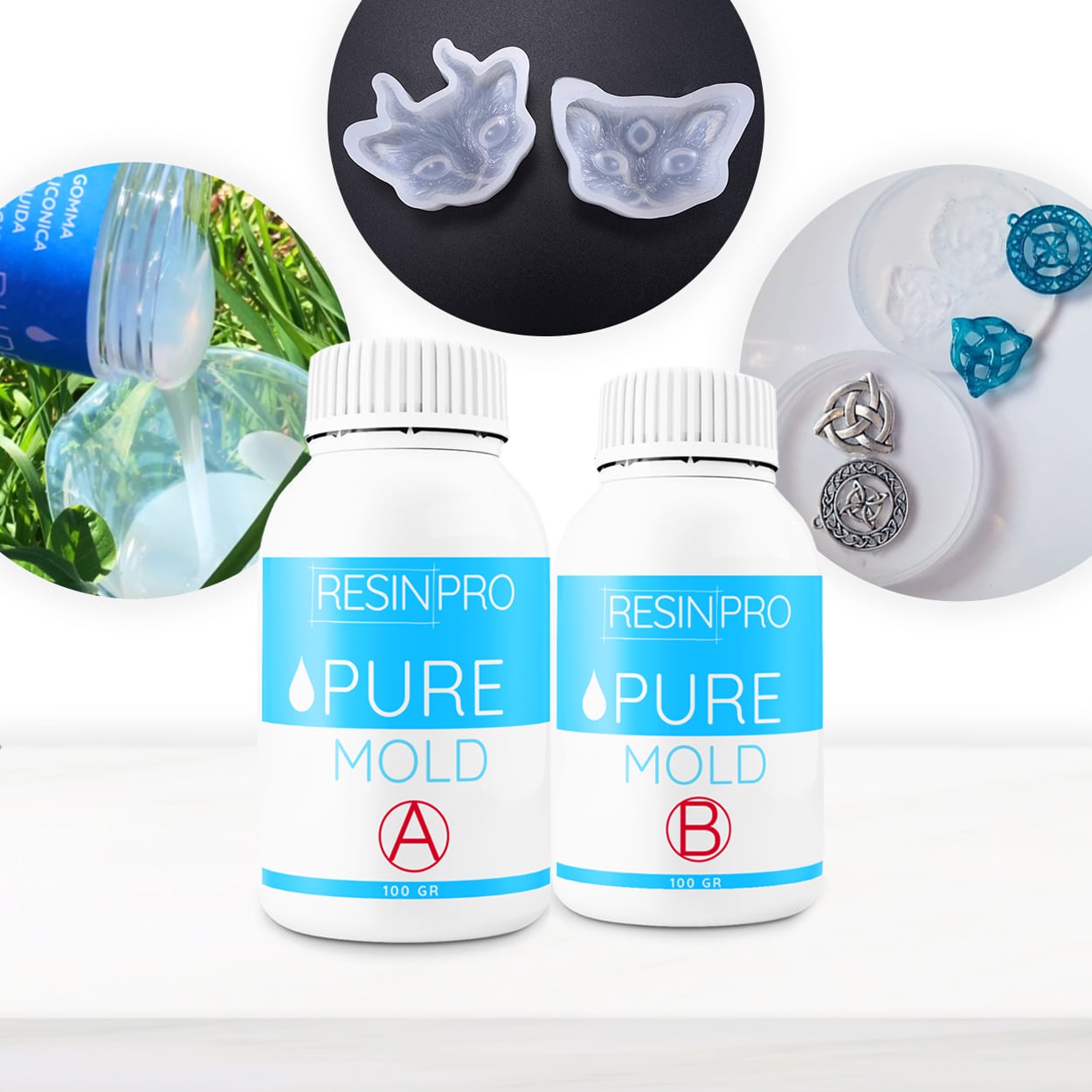
Resin mould making is a rewarding technique that empowers artists and DIY crafters to create custom shapes, jewellery, trays, and more with precision and creativity. With the right materials and methods, anyone can achieve a professional finish at home or in the studio. This guide walks you through the essential steps of making high-quality resin moulds, ensuring reliable results for your next project.
What You’ll Need
- “Pure Mould” – Translucent Liquid Silicone Rubber for Mould Making – for creating flexible, detailed moulds
- “IWhite” – Polyurethane Casting Resin – White, Fast-Curing Two-Part System – ideal for quick, accurate castings
- Animals & Plants Silicone Mould for Epoxy Casting – Reusable and Easy to Clean – for casting jewellery and decorative objects
- Mixing cups, spatulas, and containers
- Object to duplicate or shape for a new mould
- Gloves and eye protection
- Release agent (optional, for complex shapes)
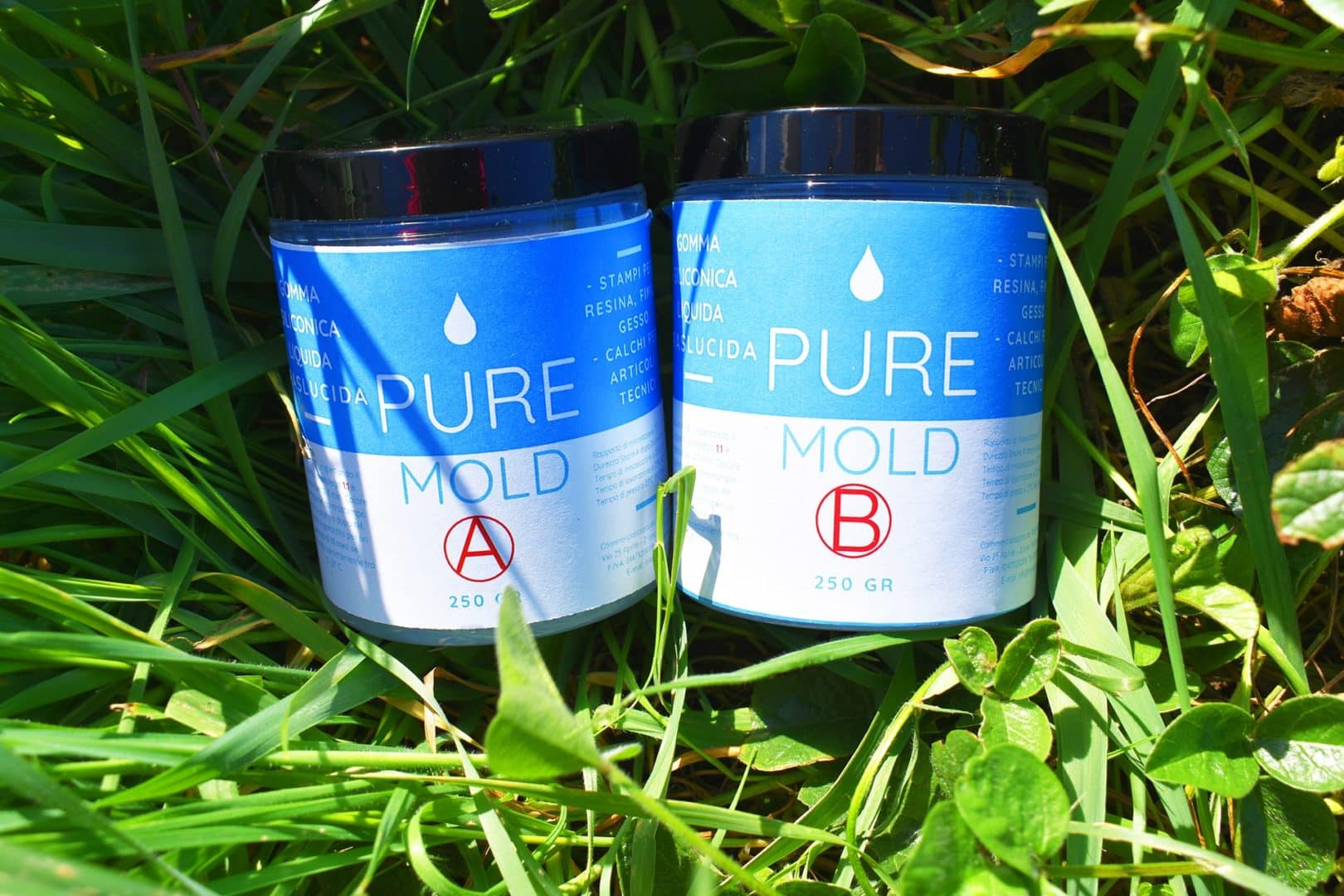
Essential Tools for a Flawless Start
Gathering the right tools and materials helps ensure success from the outset when making resin moulds at home. Quality silicone rubber provides flexibility and detail, while dedicated casting resins or tray kits streamline the process. Prep everything in advance to keep the workflow smooth and reduce the risk of mishaps.
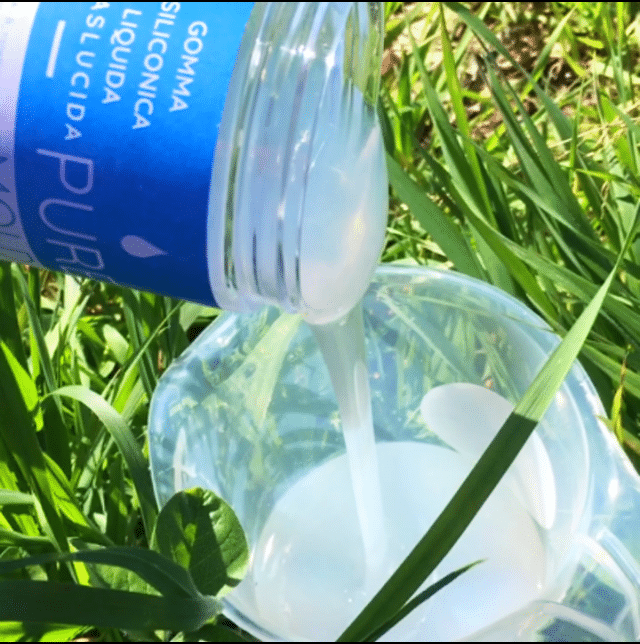
Step 1: Prepare Your Workspace and Master Object
Use a clean, level workspace free from dust and direct sunlight for best results. Lay out protective sheets or silicone mats to catch any spills. Secure your master object – the item you want to duplicate – to the base of your mould container using a light adhesive or double-sided tape, ensuring it doesn’t move when pouring silicone. For intricate details or undercuts, consider applying a thin coat of release agent to make demoulding easier.
Always wear gloves and eye protection when handling uncured silicone or casting resin, as skin and eye irritation can occur.
Step 2: Mix and Pour the Silicone Rubber
The ideal material for most custom resin moulds is a translucent liquid silicone rubber. “Pure Mould” – Translucent Liquid Silicone Rubber for Mould Making is an excellent choice thanks to its straightforward 1:1 mixing ratio and ability to capture fine detail.
Mix your silicone components thoroughly in your mixing cup, scraping the sides and bottom to ensure even blending. Work gently to avoid introducing bubbles. When ready, slowly pour the silicone into one corner of your mould container, allowing it to flow gradually over the master object and fill all gaps.
Tap or vibrate your mould container to help any air bubbles rise to the top. Ensuring a bubble-free pour results in a smoother, more detailed mould.
Step 3: Let the Silicone Cure Fully
Curing time depends on your chosen silicone. For “Pure Mould”, you can expect curing in approximately three to eight hours under normal conditions. Check for firm, non-tacky texture before attempting to remove the mould. Longer or cooler curing improves overall durability.
Don’t rush the curing process, as premature demoulding may stretch or damage the mould, reducing future casting quality.
Step 4: Demould and Use Your Custom Resin Mould
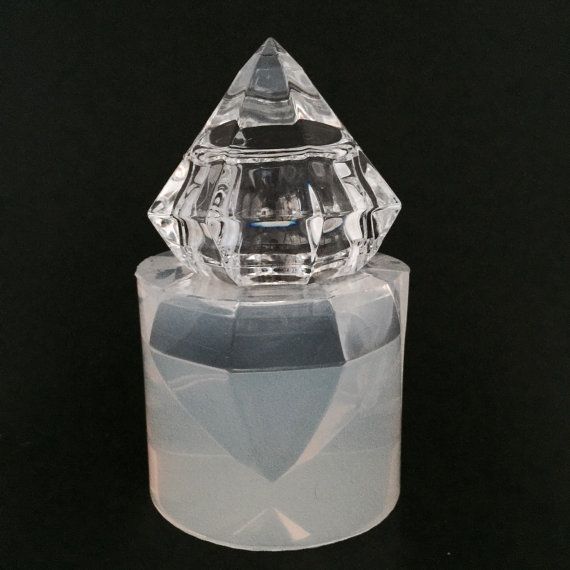
Gently flex or peel the cured silicone away from both the container and the master object. Take care around intricate features to avoid tearing. Your mould is now ready for casting with resin, plaster, or even for art resin projects like with the “IWhite” – Polyurethane Casting Resin – White, Fast-Curing Two-Part System – particularly suitable if you require rapid results and sharp detail for model making or prototypes.
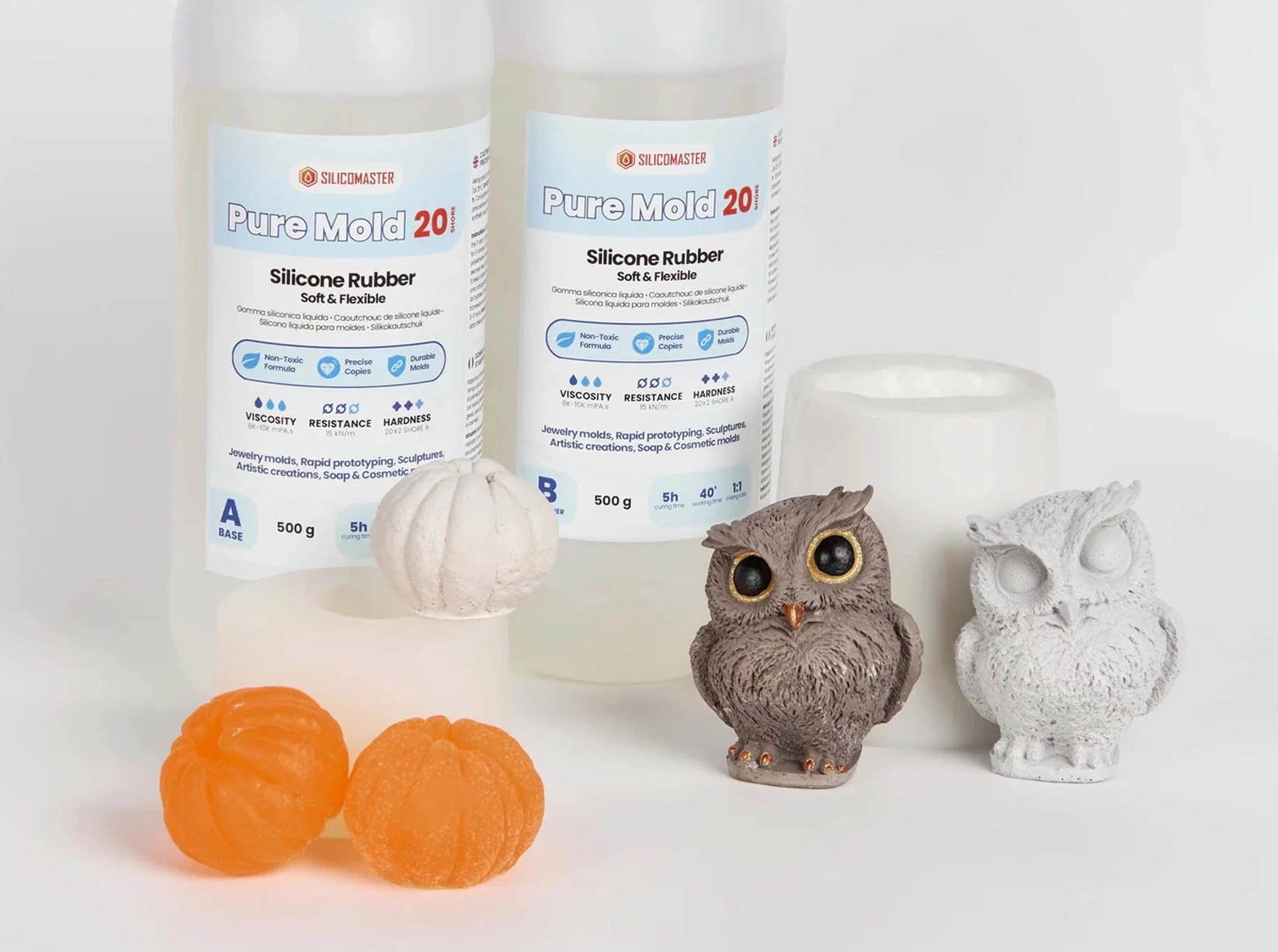
For jewellery, tray projects, or incorporating flowers and glitter, reusable silicone shapes such as Animals & Plants Silicone Mould for Epoxy Casting – Reusable and Easy to Clean provide a versatile starting point and are easy to clean between uses.
Tips and Troubleshooting for Better Resin Moulds
Clean moulds promptly after demoulding using only mild soap and water, never harsh solvents or abrasives.
Store your finished silicone moulds flat in a cool, dry place to prevent distortion and extend their lifespan. If you notice bubbles, they are most often introduced during mixing or pouring – slow, steady technique is key. For complex shapes, a mould release spray can greatly aid demoulding and prevent tearing.
Care and Storage of Silicone Moulds
Maintaining your silicone moulds properly extends their usable life and prevents unsightly blemishes in future casts. Clean gently after each use, avoid strong solvents, and allow your moulds to dry completely before storing in a dust-free, flat location.
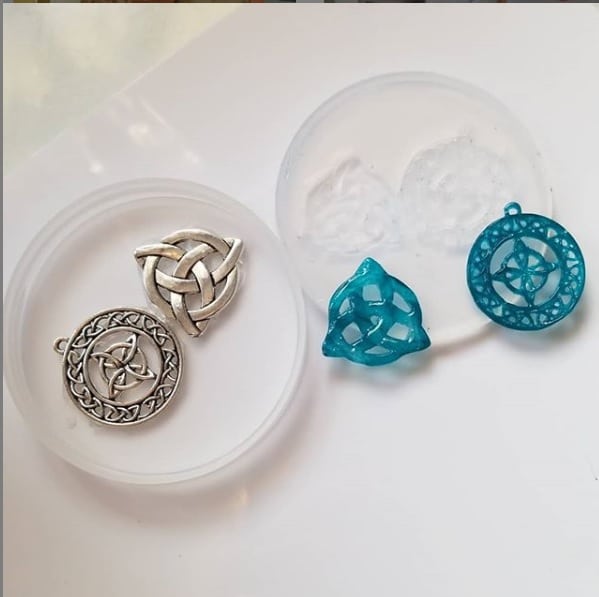
- "Pure Mould" – Translucent Liquid Silicone Rubber for Mould MakingPrice range: £22.85 through £158.85"Pure Mould" is a translucent liquid silicone rubber designed for mould making, compatible with many materials including resins and plaster.
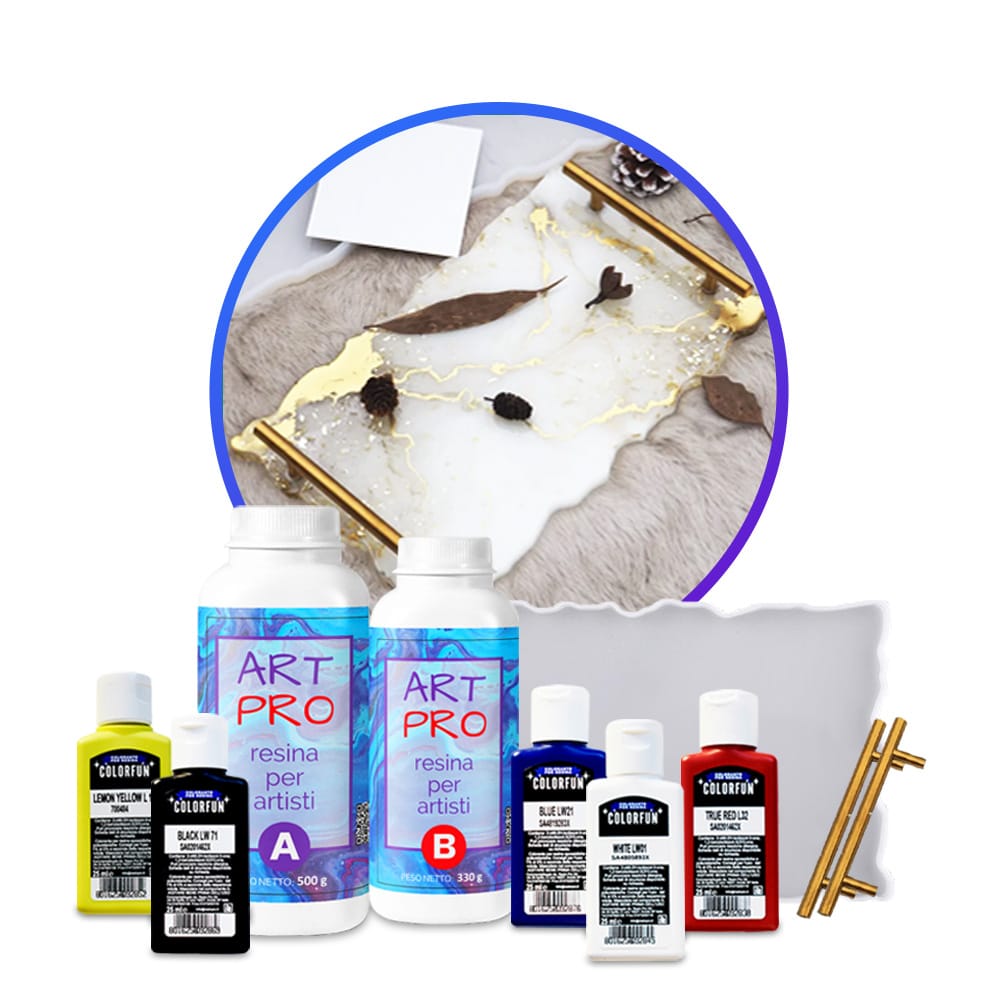
- "Tray" – Complete Resin Tray Kit with Silicone Mould and Colour Dyes£54.85"Tray" kit includes resin and materials to make designer trays with metal handles, suitable for creative resin projects.
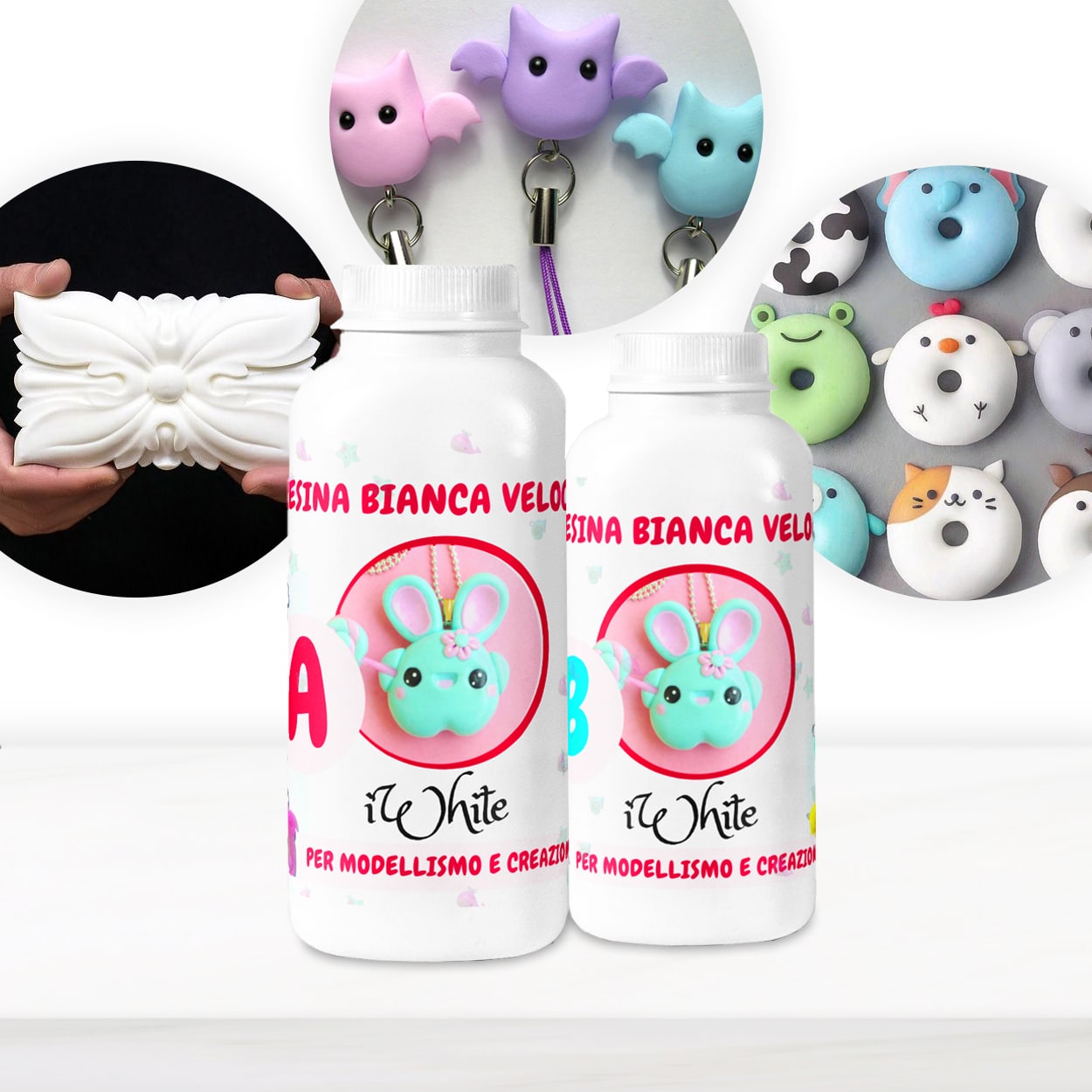 “IWhite” – Polyurethane Casting Resin – White, Fast-Curing Two-Part SystemPrice range: £22.85 through £34.85IWHITE is a fast-curing polyurethane resin designed for precise moulding and quick prototyping of handcrafted models.
 Animals & Plants Silicone Mould for Epoxy Casting – Reusable and Easy to CleanOriginal price was: £7.45.£6.75Current price is: £6.75.Animals & Plants silicone moulds are designed for epoxy casting, reusable and easy to clean with translucent silicone material.
Frequently Asked Questions
What silicone is best for resin moulds?
Translucent liquid silicone rubber formulated for casting, such as Pure Mould, is recommended due to its flexibility and detail reproduction.
How do I prevent bubbles in my resin moulds?
Mix slowly, pour from one side, and gently tap or vibrate the mould container to release trapped bubbles.
How long does silicone take to cure for a resin mould?
Depending on the formula, cure time is typically 3 to 8 hours. Check that the mould is firm and no longer tacky before demoulding.
Can silicone moulds be reused multiple times?
Yes, quality silicone moulds are made for multiple uses if cleaned and stored properly.
Do I need a release agent for silicone moulds?
Release agent is only needed for complex shapes or deep undercuts; smooth shapes often don’t require it with quality silicone.
What is the best resin for casting in silicone moulds?
Epoxy and polyurethane resins both work well; choose according to required speed, hardness and level of detail.