 Free shipping on orders over £29,85
  Shipping Tracking!


 Google
 Facebook
← Back to How to make a resin panel?
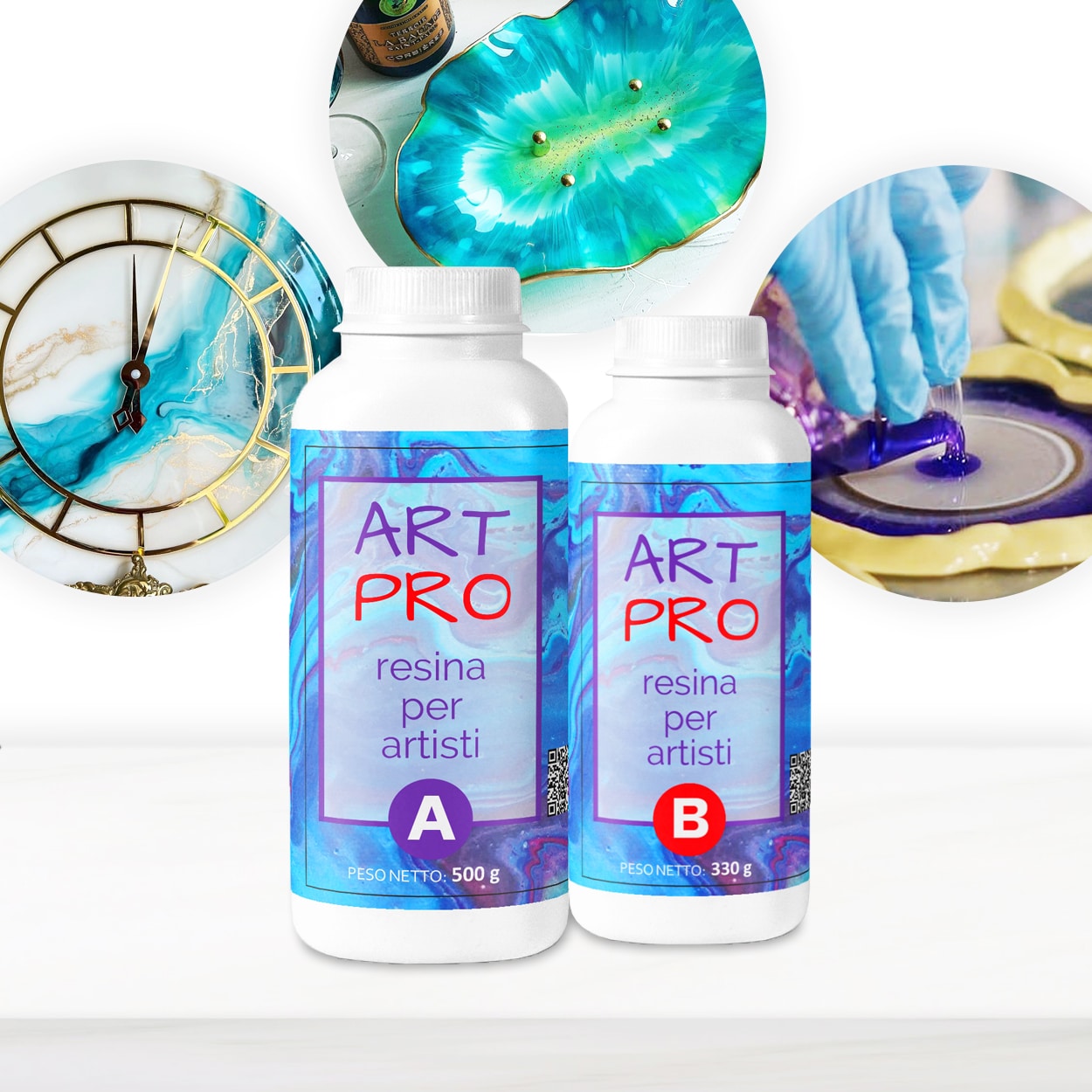
Choosing the right epoxy resin type for panel artwork is crucial for achieving a smooth, clear finish and ensuring lasting durability. Your resin choice should be guided by the panel’s thickness and your intended artistic result.
Matching Resin Type to Panel Thickness
For most surface art, coasters, or decorative resin panels up to around 1cm thick, a medium-viscosity art resin such as “Art Pro” is ideal. It’s designed to self-level, reduce bubbles, and provide a durable, high-gloss finish—perfect for flat art or layered pours up to 10mm.
If your artwork needs to reach up to 2cm in thickness, opt for a clear casting formula like “Trasparente”, which is suited for slightly deeper, bubble-free pours and still offers reliable clarity. For extra-thick, deep pour projects such as tabletops or large embedded artworks, a deep-pour resin like EpoxyTable 5-Five manages thicker layers (up to 5cm per pour) safely, minimising heat build-up.
Practical Considerations for Panel Artwork
Clarity, scratch resistance, and UV protection are all important in art panels. Medium-viscosity art resins generally cure faster and handle gradients or surface colours well. If including objects or creating thick sections, use deep-pour resins that allow slow, controlled curing to avoid bubbles or discolouration. Always check curing details and layer guidelines—pouring thicker than advised can cause overheating or compromise the result.
- For art coatings and fine details: stick to 1–10mm pours with medium-viscosity resin.
- For embedding or clear sections: pour in layers if over 2cm to ensure safe curing.
- For thick tables or panels: choose a deep-pour resin for layers up to 5cm thick.
When Resin Selection Matters Most
Resin selection is especially important when you’re embedding delicate items, working at greater thickness, or displaying your panel in natural light. Using the right resin helps achieve a flawless finish and reduces the risk of yellowing or surface defects over time.
Related products
Related guides
By matching resin type to your project’s thickness and finish goals, you set the stage for beautiful, enduring panel artworks. For a detailed step-by-step on the panel-making process, see our main guide on how to make a resin panel.