 Free shipping on orders over £29,85
  Shipping Tracking!


 Google
 Facebook
How to make a resin panel?
Step-by-step guide for flawless resin artwork panels


Resin panels are a stunning feature in modern interiors, art projects, and custom installations. Whether you’re an artist, designer, or DIY enthusiast, learning to craft a clear and durable resin panel opens up a world of creative possibilities. This page guides you through every stage of the process, ensuring a professional finish and beautiful results.
What You’ll Need
- “Art Pro” – Clear Epoxy Resin for Artists and Surface Coating – For high-gloss, transparent finishes on small or decorative panels
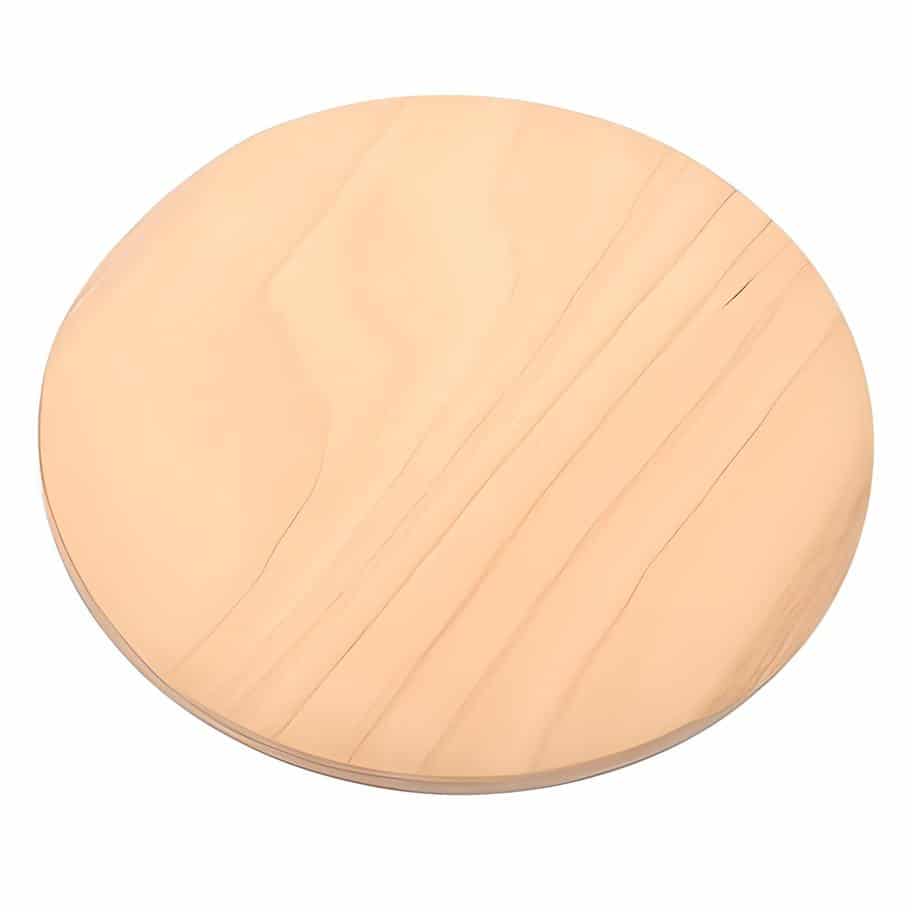
- MDF Board Base for Epoxy Resin Table and Art Projects – A sturdy base for your resin pour
- “Trasparente” – Multipurpose Clear Epoxy Resin for Casting – Up to 2cm – Suitable for panels with moderate thickness
- “EpoxyTable 5-Five” – Deep Pour Epoxy Resin for Tables and Large Projects – Up to 5cm – Ideal for deep, large-format resin panels
- Mixing containers, stirring sticks, nitrile gloves, measuring scale
- Masking tape and temporary barriers (for panel edges)
- Sanding paper (various grits), polishing compounds, cleaning cloths
- Protective apron and a well-ventilated workspace

Essential Tools for a Flawless Resin Workspace
Organise your tools and only use clean, dust-free containers and mixing implements. An uncluttered workspace and the right safety equipment lay the foundation for a professional-looking resin panel. Prepare all required materials before you start to avoid interruptions during critical curing times.

Step 1: Plan and Prepare Your Workspace
Clean your workspace and prepare all tools in advance. Choose a flat, stable surface well away from dust and direct sunlight. Cover the area with plastic sheeting to protect from spills. Make sure all equipment—mixing cups, stirrers, gloves, and your panel base—are ready before you begin. Good preparation ensures each phase runs smoothly and avoids mistakes caused by rushing.
Place your MDF Board Base for Epoxy Resin Table and Art Projects on a level surface. If you are making a framed or shaped panel, use tape or temporary barriers to outline the area to be filled.
Step 2: Seal and Prime the Base
Wood, MDF, or porous surfaces must be properly sealed before any resin pour. This prevents bubbles from rising and ensures resin does not leak through the base. Brush or roll on a thin layer of epoxy resin, spreading it evenly and allowing it to soak into the surface. Let this layer cure fully according to the manufacturer’s instructions before proceeding.
Seal the base surface to avoid resin leaks or bubbles. Skipping this step increases the risk of air or dust defects appearing in your finished panel.
Step 3: Mix and Pour the Resin
Choose the appropriate epoxy for your project’s size and thickness. For thin or flat art panels, a medium-viscosity resin like “Art Pro” – Clear Epoxy Resin for Artists and Surface Coating creates a brilliant, glass-like finish. For panels up to 2cm thick, select “Trasparente” – Multipurpose Clear Epoxy Resin for Casting – Up to 2cm. For deeper pours (up to 5cm in a single layer), use “EpoxyTable 5-Five” – Deep Pour Epoxy Resin for Tables and Large Projects – Up to 5cm.
Measure epoxy components precisely by weight using digital scales. Wear gloves and mix resin and hardener as specified (typically by weight, not volume). Stir gently but thoroughly, scraping the sides and bottom to ensure full blending—this avoids sticky spots or cloudiness in your final result. Once fully mixed, pour the resin slowly into the centre of your prepared panel, letting it flow naturally to the edges.
If a second layer is needed, wait for the initial pour to reach the recommended stage before adding more. Work on a level surface to achieve an even depth throughout.

Step 4: Remove Bubbles and Provide a Dust-Free Cure
Right after pouring, trapped air bubbles may appear on the surface. Remove these by lightly passing a heat gun or torch over the resin, keeping the tool in constant motion to avoid scorching. If you do not have either, a gentle exhale blown across the surface can help.
Check for dust before pouring the resin, and shield the panel with a clean cover (a plastic box or tent) to prevent debris from settling during the cure. Let the resin cure fully as per product instructions—do not move or disturb the panel before the surface is hard, as this is when accidental marks most often occur.
Step 5: Demoulding and Finishing the Panel
Once the resin is completely cured (which can take 12–48 hours depending on thickness and product), remove any edge barriers or tape carefully. Allow full cure time before demoulding, as handling the panel early may deform the resin or dull the finish.
Inspect the panel edges. Sand down any sharp or uneven sections, starting with coarse grit and finishing with finer grades. Wipe clean, then polish for an ultra-smooth, glassy finish. For a totally professional look, buff with a microfibre cloth and polishing compound.
Tips, Common Mistakes, and Troubleshooting
Avoid pouring layers thicker than the resin’s safe limit: Consult your resin’s specifications and only pour up to the recommended thickness to prevent overheating or cloudiness. For deeper panels, pour in multiple layers if necessary, letting each cure between pours.
Work in a dust-free environment for a clear finish: Even small specks can be frustratingly visible in resin. Cover your work, and don’t rush to uncover until fully cured.
Sand and polish for the smoothest results: Imperfections at the edges or surface can usually be resolved with careful sanding and polishing. Use water and fine abrasives to prevent scratching, and apply finishing products for extra gloss if desired.
Maintaining Resin Clarity and Durability
Cleanliness, patience, and cautious layer pouring are vital when crafting resin panels. Protect your investment in time and materials by letting each layer cure undisturbed, and by choosing the right resin for your desired thickness. Thoughtful finishing work makes all the difference for clarity and longevity.

- "Art Pro" – Clear Epoxy Resin for Artists and Surface CoatingPrice range: £31.15 through £388.85"Art Pro" clear epoxy resin is designed for artists and crafters seeking a durable, clear coating with UV protection and a smooth finish.
- MDF Board Base for Epoxy Resin Table and Art ProjectsOriginal price was: £25.00.£17.85Current price is: £17.85.MDF Board Base with sturdy construction provides a stable surface suitable for various resin techniques and crafting projects.
 "Trasparente" – Multipurpose Clear Epoxy Resin for Casting – Up to 2cmPrice range: £8.45 through £948.85"Trasparente" resin offers an ultra-clear, glossy finish with up to 2cm depth, suitable for detailed castings and DIY woodworking projects.
 "EpoxyTable 5-Five" – Deep Pour Epoxy Resin for Tables and Large Projects – Up to 5cmPrice range: £16.85 through £1,099.85"EpoxyTable 5-Five" is a deep pour epoxy resin designed for tables and large projects, suitable for casting up to 5cm thickness.
Frequently Asked Questions
What is the best epoxy resin type for panel artworks?
Choose resin based on panel thickness: use medium-viscosity for thin panels and deep pour for thick or layered artwork.
Can you pour deep resin layers safely?
Yes, but only with resin designed for deep pours. Never exceed manufacturer guidelines for layer thickness.
How do I avoid bubbles in resin panels?
Seal the base, mix gently, and use a heat gun or torch to remove surface bubbles after pouring.
How long should resin cure before finishing?
Wait for the full manufacturer-recommended cure time—typically 12 to 48 hours—before sanding or handling the panel.
Do you have to seal MDF before pouring epoxy?
Yes, sealing prevents air bubbles and resin absorption, resulting in a smoother, clearer finish.
Can you layer colours or add effects in resin panels?
Absolutely. You can add tints, pigments, or decorative inclusions between resin pours for unique design effects.
What to do if resin panel surface is uneven?
Lightly sand high spots and apply an additional thin layer of resin to level and create a smooth surface.