 Free shipping on orders over £29,85
  Shipping Tracking!


 Google
 Facebook
← Back to How to build a wood and resin table?
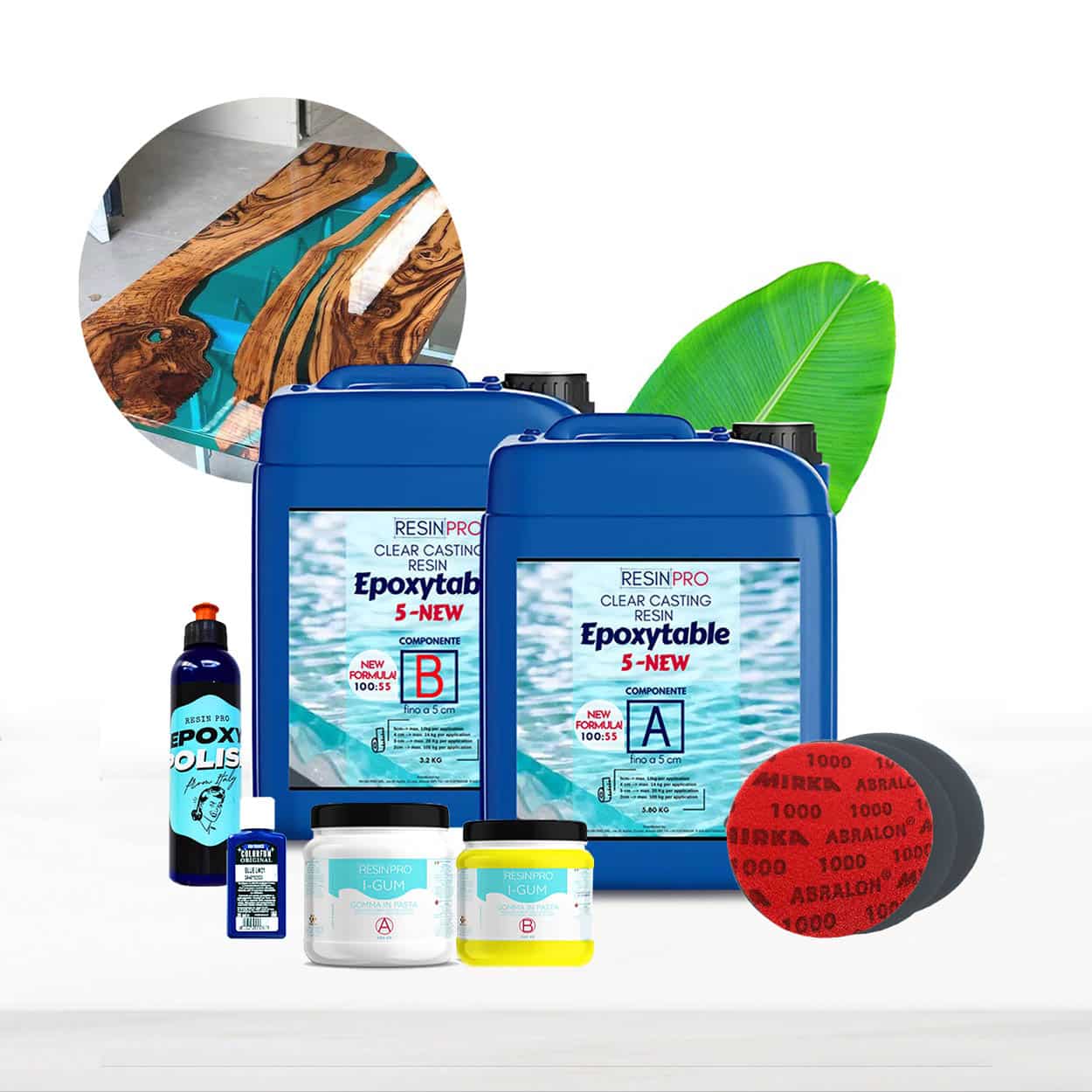
Mixing epoxy resin for wood and resin tables can be deceptively simple, but a few common errors can undermine the whole project. Getting the basics right ensures a flawless, durable finish every time.
Common Mixing Mishaps
One of the most frequent errors is using the wrong resin-to-hardener ratio. Even a small departure from the recommended mix can result in soft spots, persistent tackiness, or compromised structural strength. Another pitfall is insufficient mixing—failing to blend thoroughly, or not scraping the sides and bottom of your mixing container, leaves unmixed material that won’t cure properly.
How to Nail the Perfect Mix
Start by carefully measuring both resin and hardener, following the ratios provided by your chosen product. Pour both parts into a clean container and stir slowly but steadily for several minutes. Make sure to scrape the sides and the base to integrate any settled material. For beginners, kits like the “River-Table” – Complete Kit for Creating Your First Epoxy Resin Table include detailed instructions to guide you through each step.
When Is This Critical?
Proper mixing is most vital for deep pour or high-value projects, such as tabletops, where flaws can be costly to fix. If you’re working with thick pours (for example, up to 5cm or even 10cm), errors become much harder to remedy once the resin sets.
Related products
Related guides
Avoiding classic resin mixing pitfalls means your wood and resin table will have a crisp, durable finish every time. For a deeper dive into the entire table-building process, check the full guide on how to build a wood and resin table.