 Free shipping on orders over £29,85
  Shipping Tracking!


 Google
 Facebook
← Back to How to create the wave effect with resin?
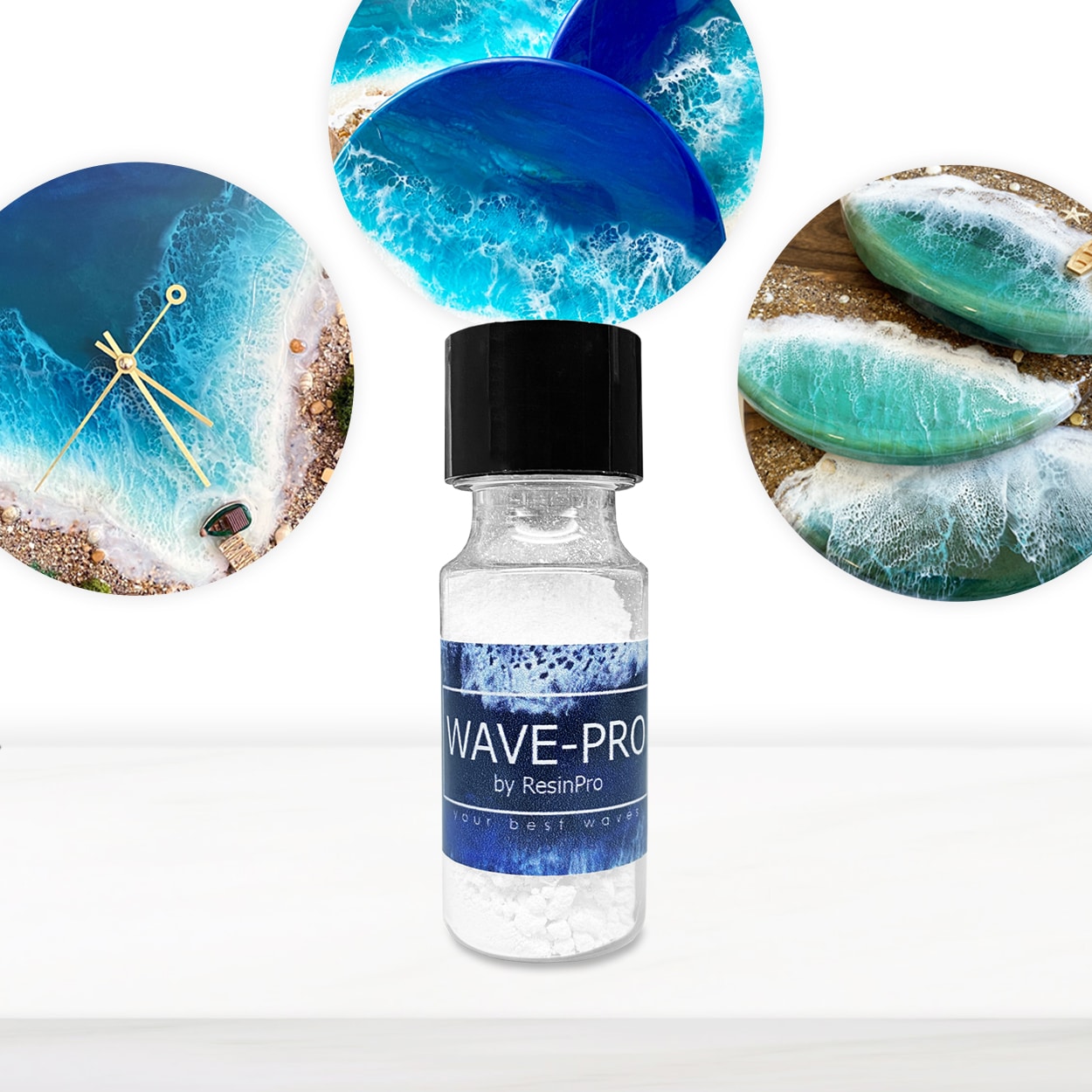
Achieving those striking, lacy waves in resin artwork often requires more than just coloured resin. If you want truly realistic sea foam and wave patterns, it’s best to use specific additives designed for this creative purpose.
Why Use Special Wave Additives?
Ordinary pigments can help colour your resin, but specialised wave-effect additives are formulated to actively disperse through the resin surface, producing distinctive cell structures and foamy edges. These products, like the Wave-Pro Pigment Additive, are designed to mimic natural sea foam and create the soft, lacy look that’s so desirable in ocean-inspired art.
- Produce natural, dynamic wave and cell patterns
- Eliminate the need for heat guns or torches
- Work best with pourable epoxy resin for optimal lace effect
Practical Tips for Resin Wave Art
For the best results, choose a pourable epoxy resin with appropriate thickness. Mix your wave additive into the white resin layer, and pour alongside other ocean tones. Products like Sea – Resin Kit for Creating Ocean Art include both resin and additives for convenience. If you’re after line precision or working in layers, consider a high-viscosity resin such as Art Pro Deluxe.
When Additives Make a Difference
Wave additives become essential when you want consistent, reliable sea foam effects—especially if you prefer not to use heat tools or wish to avoid harsh chemicals and solvents. They’re ideal for artists who want to streamline their process and achieve those beautiful layered wave details with ease.
Related products
Related guides
Integrating purpose-made wave additives is the surest way to elevate your resin sea art, achieving mesmerising results that set your work apart. Explore more about techniques and materials in our main guide on how to create the wave effect with resin.