 Free shipping on orders over £29,85
  Shipping Tracking!


 Google
 Facebook
How to build a resin table?
Building your own resin table is a rewarding project that lets you combine natural wood with striking resin effects, resulting in a custom piece of art and furniture. Whether you want a dramatic river table or a subtle clear-cast feature, this guide walks you through each stage for flawless, professional results regardless of your DIY experience.
Step-by-step guide for creating beautiful resin and wood tables
What You’ll Need
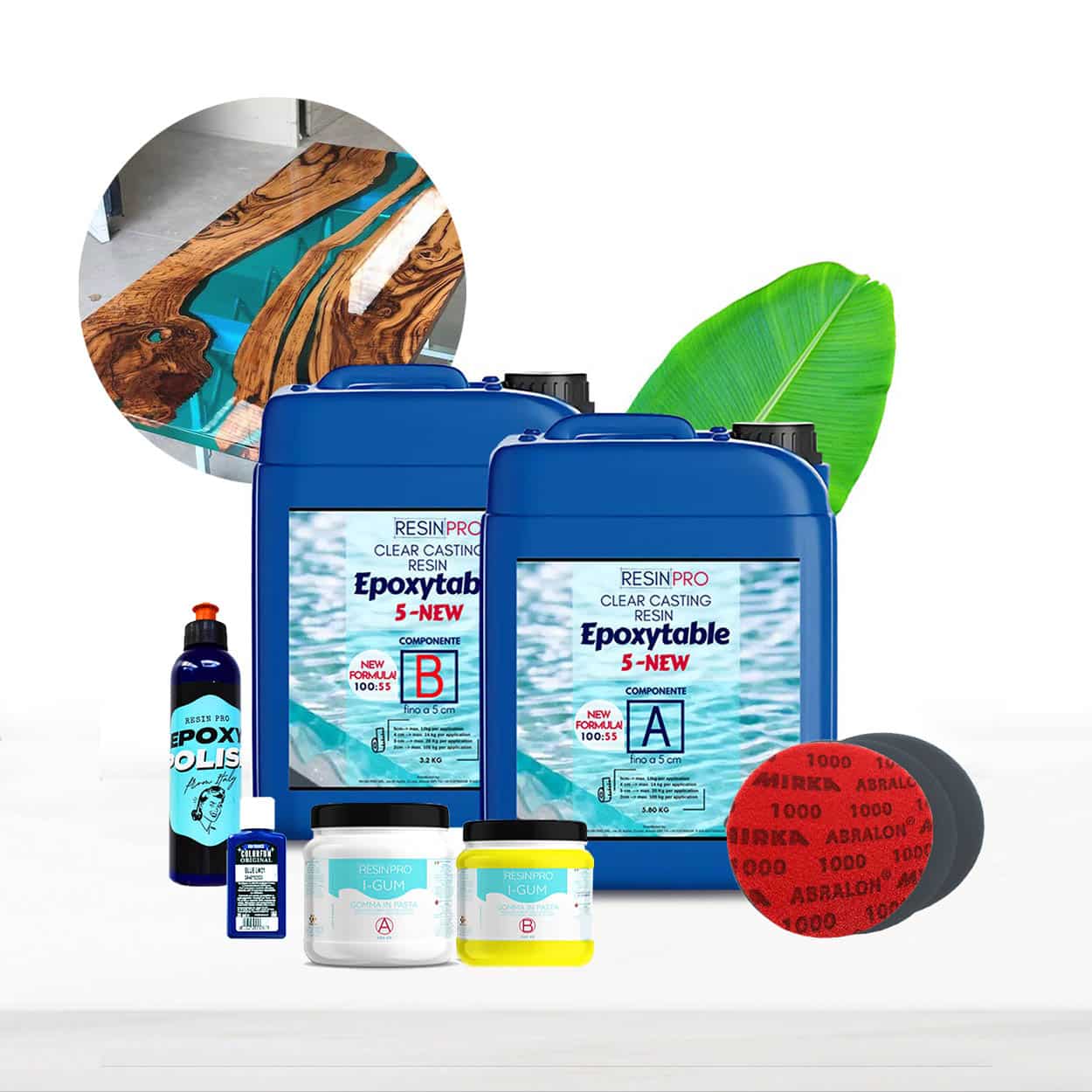
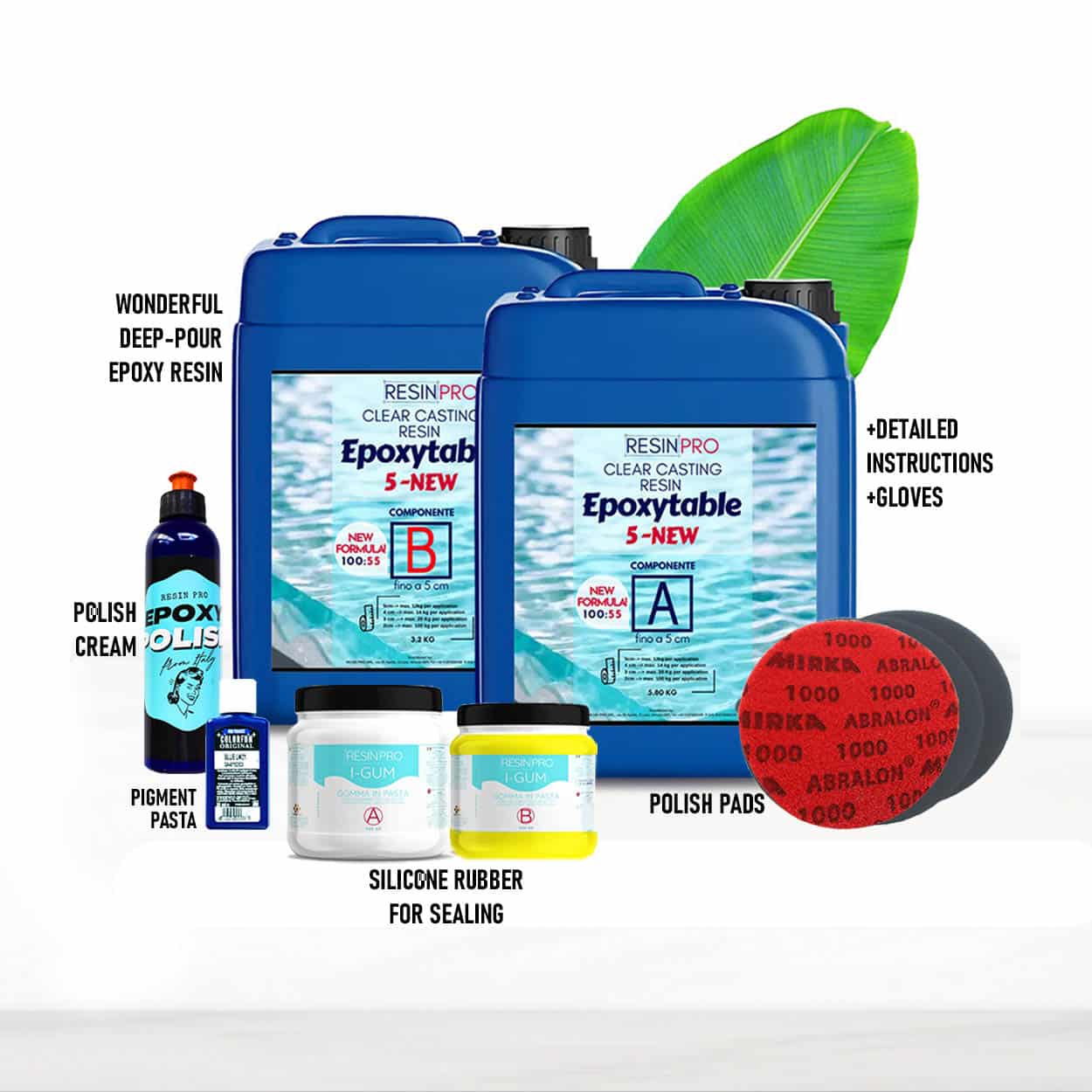
- “River-Table” – Complete Kit for Creating Your First Epoxy Resin Table: Complete kit providing materials and instructions for creating a wood and resin table.
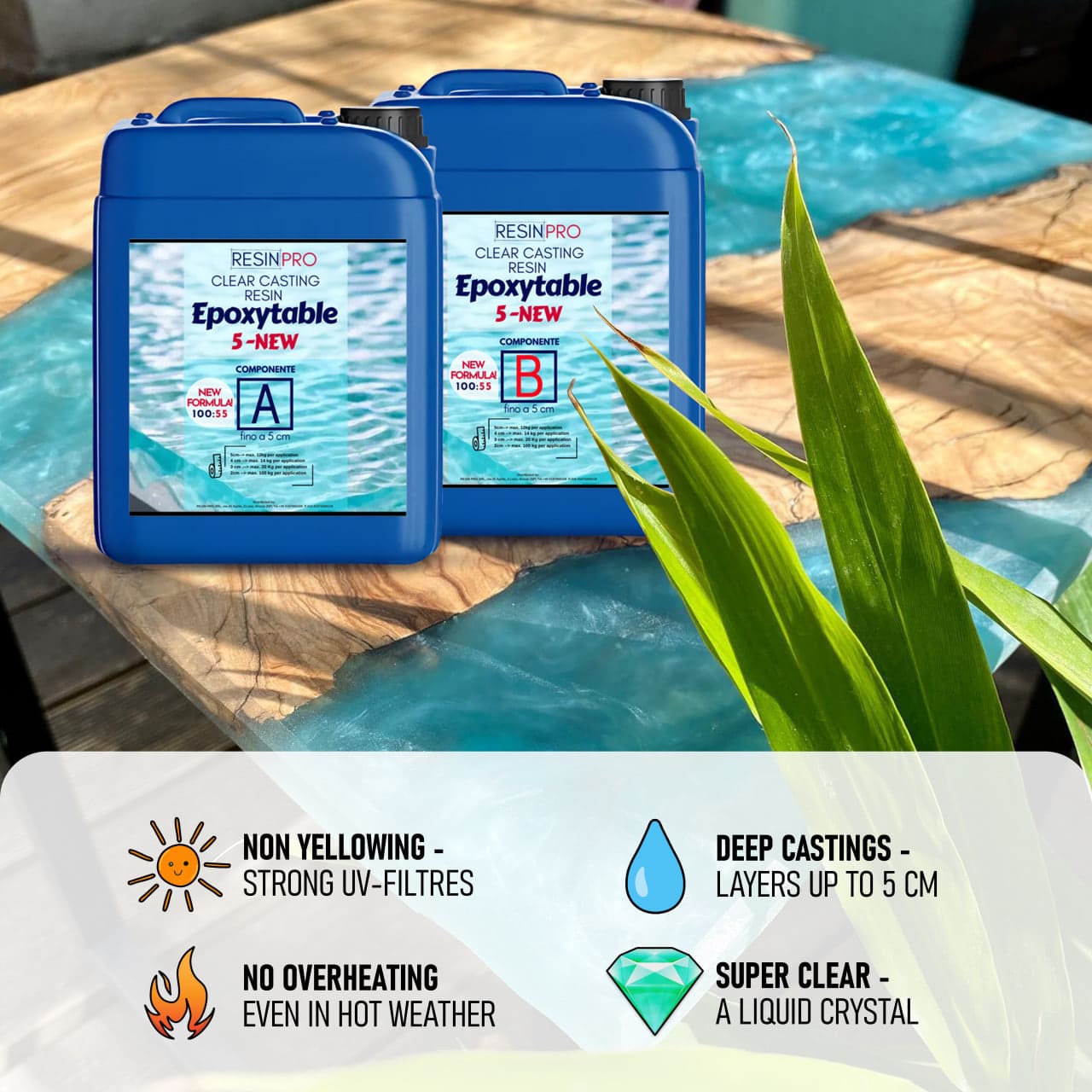
- “EpoxyTable 5-Five” – Deep Pour Epoxy Resin for Tables and Large Projects – Up to 5cm: Deep pour epoxy resin suitable for tabletops and large projects up to 5cm thickness with a non-yellowing, scratch-resistant finish.
- “Epoxytable 10-Ten” – Deep Pour Epoxy Resin for Tables, Up to 10cm Casting: Epoxy resin formulated specifically for deep pour table projects with castings up to 10 cm thickness.
- “Geode O” – Large Wooden Board Table Base for Epoxy Resin Projects – 90x60cm or 120x80cm: A wooden table base tailored for epoxy resin crafting in two size options.
- Clamps, spacers, and personal protective equipment (PPE)
- Mixing containers, scales, and stirring sticks
- Covers and dust protection for your workspace

Essentials for Resin Table Success
Having the right materials—resin, wooden base, and precise measuring tools—ensures each stage of your table-building project goes smoothly. Preparing your work surface and reading through all instructions will help avoid costly mistakes and give you more confidence when you start pouring.
Step 1: Prepare the Workspace and Base
Start in a clean, dust-free space with adequate ventilation. Avoid areas with temperature extremes or direct sunlight that may affect curing. Set your chosen table base—such as the “Geode O” – Large Wooden Board Table Base for Epoxy Resin Projects – 90x60cm or 120x80cm—on a sturdy, level surface. Ensure all sides to be covered in resin are free from oils, dust, and sanding residue. Tape or seal the edges of the form to prevent leaks—silicone sealant is recommended for best results. Clamp and brace the base if necessary to prevent shifting during pouring.
Step 2: Plan Your Resin Casting and Mix Components
Determine the thickness of resin you require for your design. For pours up to 5cm deep, choose a designated deep pour resin, like “EpoxyTable 5-Five” – Deep Pour Epoxy Resin for Tables and Large Projects – Up to 5cm. If your project involves thicker layers up to 10cm, opt for “Epoxytable 10-Ten” – Deep Pour Epoxy Resin for Tables, Up to 10cm Casting. Carefully measure resin and hardener by weight following product instructions, and mix in a clean container. Stir thoroughly for several minutes, scraping the sides and bottom to ensure a uniform blend, thereby avoiding sticky spots or curing issues.
Step 3: Pour the Resin and Layer Your Effects
Slowly pour the mixed epoxy into the prepared base, starting from one end and allowing the resin to flow naturally. Pour in stages if you are creating colour gradients, river effects, or using inserts. For artistic colour and finishing features, the “River-Table” – Complete Kit for Creating Your First Epoxy Resin Table provides suitable pigments as well as detailed directions on resin casting and layer control. Watch for trapped air bubbles, using a heat gun in short bursts across the surface to release bubbles as needed. Avoid overworking the resin, which can introduce new bubbles or mar the finish.

Step 4: Allow to Cure and Finish the Surface
Let the poured resin table cure fully in its form, undisturbed and protected from dust. Curing times vary depending on product and ambient conditions—refer to your resin’s instructions but typically allow 24 to 72 hours. After demoulding, sand the edges if needed and polish the surface with suitable plastic or resin polishing compounds for a glossy, professional finish. If you have used a kit with a finishing set, complete your project using the included pads and polish following provided guidelines.

Tips and Troubleshooting
- Choose the Right Resin Depth for Your Project: Selecting a resin compatible with your desired thickness is crucial—using a deep pour resin prevents overheating and minimises bubbles in large castings.
- Seal and Prepare Your Wooden Base Properly: Ensure your base and any forms are sealed to avoid leaks, warped results, or adhesion issues.
- Mix and Pour Epoxy with Attention to Bubbles: Stir steadily and pour slowly. Use a heat gun on low for a clear final layer free from bubbles.
- Allow Full Curing Before Polishing or Demoulding: Rushing to remove or sand your project before it sets completely can result in imperfections or cloudiness.
Finishing Touches and Surface Perfection
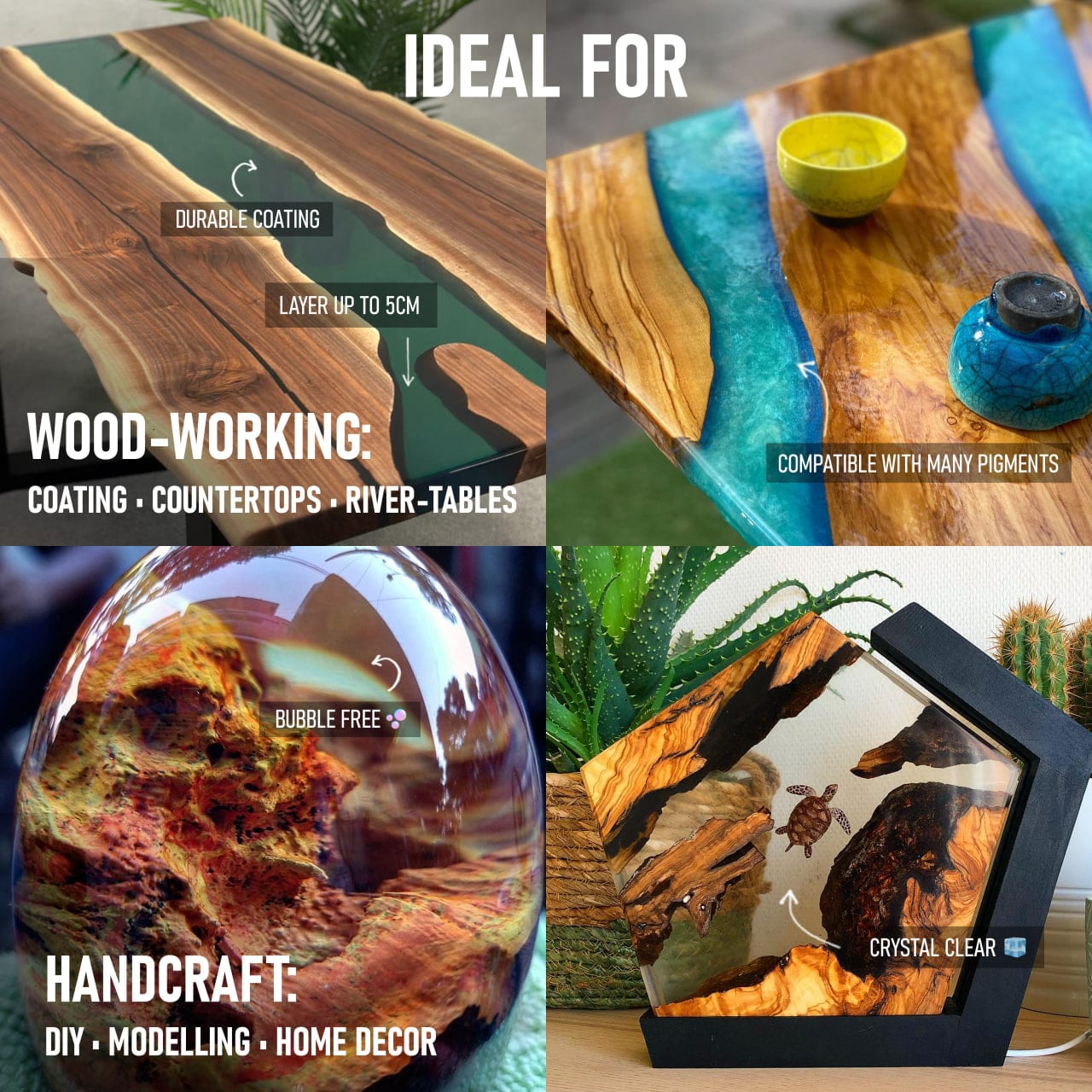
After your table has fully cured, careful sanding and polishing reveal crystal-clear finishes and an even, glass-like surface. This final stage brings your creative vision to life and boosts both the durability and visual appeal of your furniture project.
- "River-Table" – Complete Kit for Creating Your First Epoxy Resin TablePrice range: £188.85 through £444.85Kit including epoxy resin, silicone sealant, polishing kit and pigments, designed for those building a wood and resin table.
- "EpoxyTable 5-Five" – Deep Pour Epoxy Resin for Tables and Large Projects – Up to 5cmPrice range: £16.85 through £1,099.85"EpoxyTable 5-Five" is designed for deep pour applications up to 5cm, commonly used for tabletops and large projects with detailed instruction and…
 “Epoxytable 10-Ten” – Deep Pour Epoxy Resin for Tables, Up to 10cm CastingPrice range: £33.85 through £334.85“Epoxytable 10-Ten” is designed for deep casting up to 10cm, suitable for table projects in the theme of building a resin table.
 "Geode O" – Large Wooden Board Table Base for Epoxy Resin Projects – 90x60cm or 120x80cmA sturdy wooden base designed for epoxy resin projects, suitable for beginners and experienced users with sizes of 90x60cm or 120x80cm.
Frequently Asked Questions
What resin thickness should I use for my table project?
Choose a resin based on desired thickness—5cm for standard deep pours, up to 10cm for extra-thick or large tables, and always follow product guidelines.
How do I prevent bubbles in my resin table?
Mix resin thoroughly and pour slowly. Use a heat gun in short bursts to release trapped bubbles from the surface after pouring.
How long does a resin table need to cure?
Most resin tables require 24 to 72 hours to cure fully, but always refer to your resin's specific instructions for best results.
Should I use a complete kit or separate epoxy and base?
Kits are ideal for first-time builders, offering included instructions and pigments, while separate products provide flexibility for experienced projects.
What is the safest way to demould after curing?
Wait until fully cured, gently loosen the form, and avoid prying with metal tools to prevent damaging surfaces or edges.
How do I polish my resin tabletop to a high gloss?
Use progressively finer sandpaper followed by a resin-specific polishing compound for a glass-like finish.