 Free shipping on orders over £29,85
  Shipping Tracking!


 Google
 Facebook
← Back to How to build a resin table?
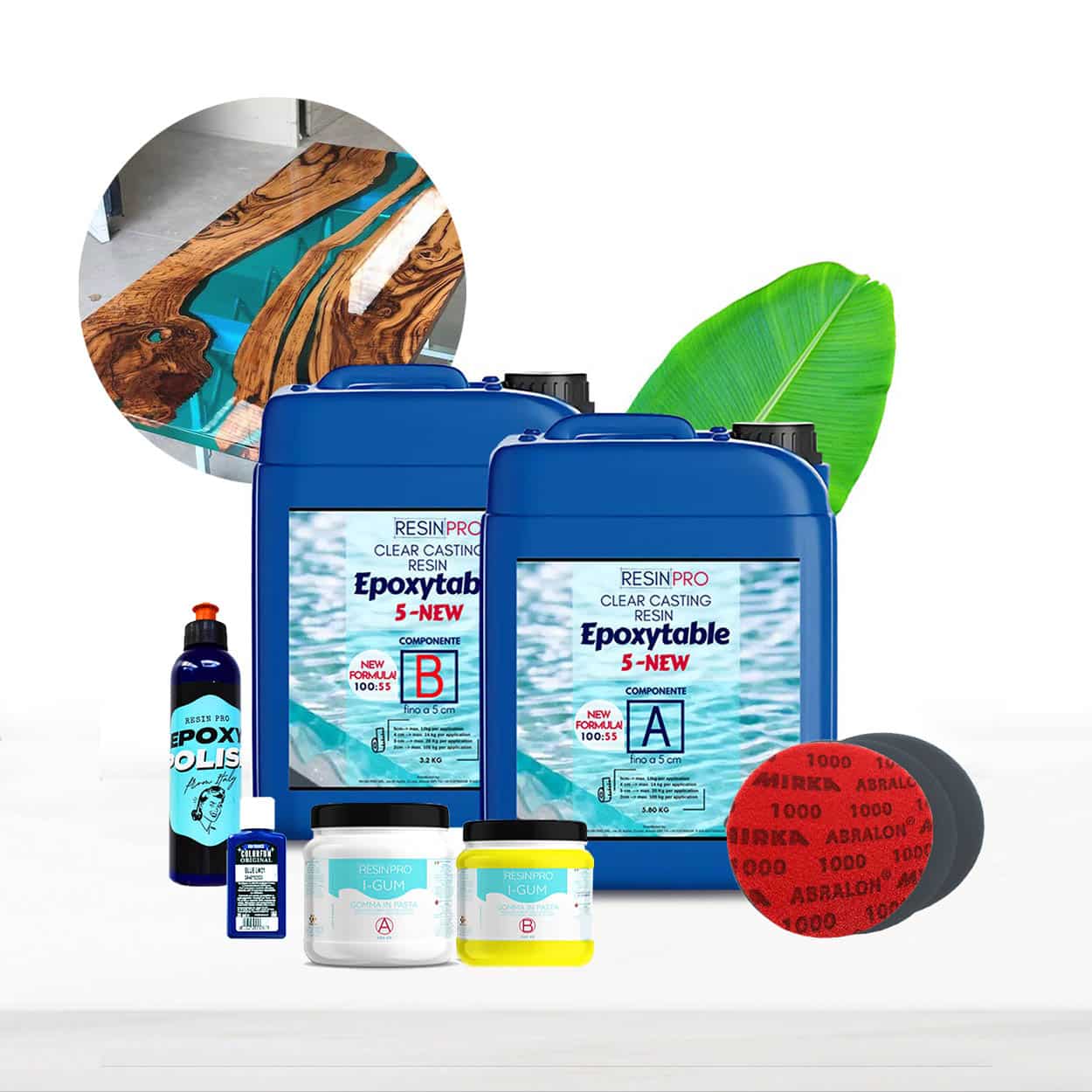
Polishing your resin tabletop is the final touch that brings out its true clarity and gloss. Follow a careful approach to achieve a professional, glass-like finish that enhances the beauty of your project.
Step-by-Step Polishing Process
Begin by sanding the resin surface with wet/dry sandpaper, progressing through finer grits to remove scratches and imperfections. Start with a medium grit (such as 360) and gradually move up to very fine grades (up to 4000), ensuring you keep the surface wet to reduce dust and prevent overheating.
- Smooth initial imperfections with 360 grit.
- Move through 500, 1000, 2000, 3000, and finish with 4000 grit for a silky matte.
- Be sure to clean the surface between grits for a cleaner result.
Bringing Out the Shine
After sanding, apply a resin-appropriate polishing compound using a soft cloth or pad. Work in small sections using gentle circular motions. The polishing cream will remove the microscratches left by sanding and gradually reveal a mirror-like sheen. Once polished, wipe the tabletop with a clean, dry cloth to remove any residue.
For ease, consider a comprehensive kit like the “River-Table” – Complete Kit for Creating Your First Epoxy Resin Table, which includes a specialised polishing kit and graded pads as part of its contents.
When Attention to Polishing Matters
A meticulous polishing process is particularly important for tabletops that will be in bright areas or under direct lighting, where any scratches or dull spots will be more noticeable. Taking the time to finish your resin surface ensures it stands out for all the right reasons.
Related products
Related guides
Perfecting the polish on your resin tabletop completes your project, leaving a surface that’s inviting to touch and stunning to behold. For step-by-step support from start to finish, revisit our main guide on how to build a resin table and explore the full process.