 Free shipping on orders over £29,85
  Shipping Tracking!


 Google
 Facebook
← Back to How do you create resin?
Choosing the right surface can make all the difference when working with resin kits. Not every material offers the same finish or adhesion, so selecting and preparing your base carefully is essential for creative success.
Which Surfaces Are Best for Resin?
Most resin kits are tested and optimised for use with wood, silicone, and art panels. Wooden surfaces, especially those properly kiln-dried or sealed, provide excellent stability for resin artwork and tables. Silicone moulds and sheets are popular for casting projects due to resin’s easy release from non-stick surfaces. Solid art panels—such as prepared MDF or coated boards—are also favoured for paintings and decorative pieces. While these surfaces are typically safe choices, always double-check if your kit specifies any further limitations before starting a project.
Preparing for Maximum Adhesion
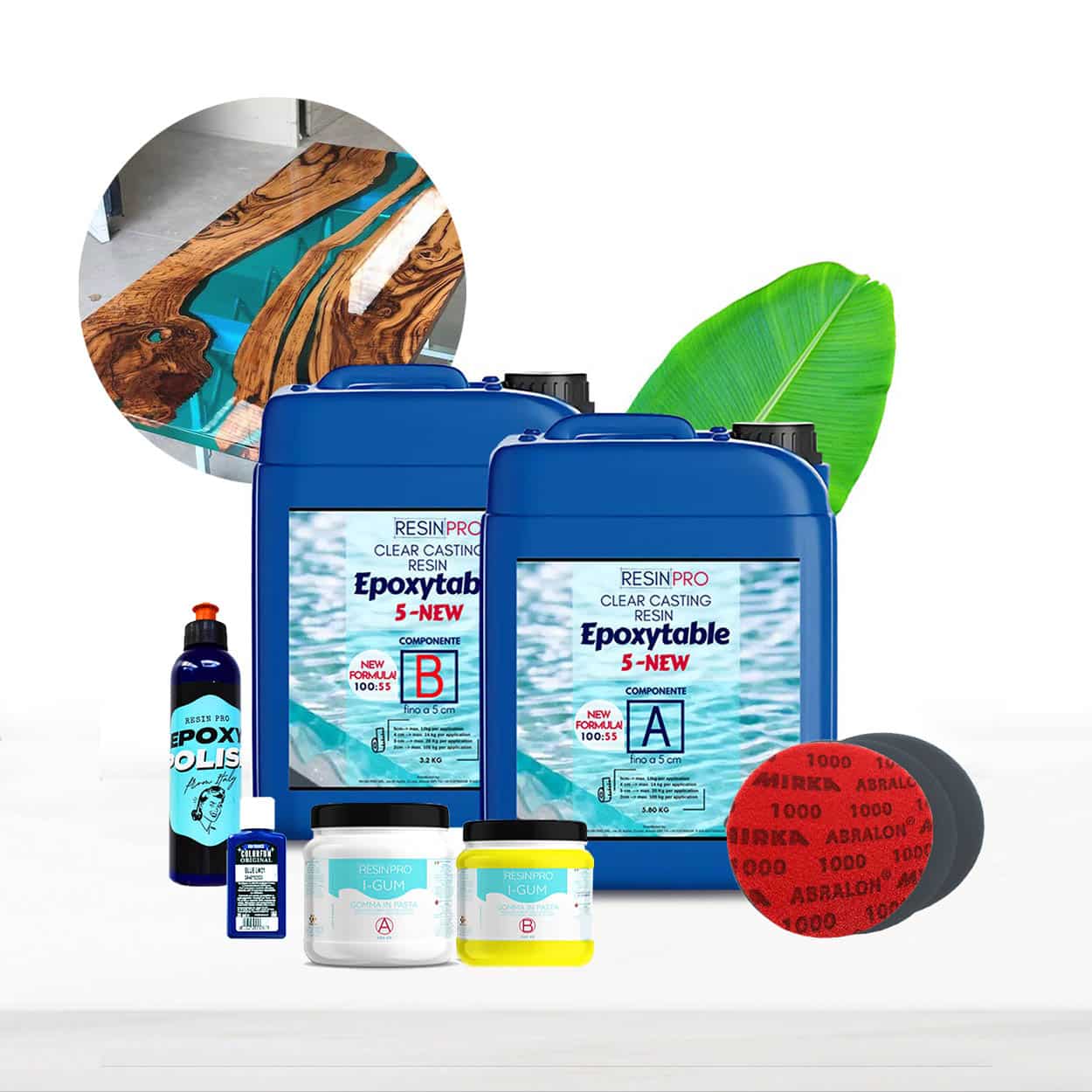
Regardless of your chosen surface, proper preparation is key. Ensure the base is dry, clean, and free from dust or oils—these can affect how well the resin bonds and cures. For wood, sanding and removing any wax or finish is usually recommended. When using silicone, inspect for residues that might inhibit curing. If you’re tackling a layered or mixed-media project, test a small area first to check for compatibility issues. Following the guidance in comprehensive kits like the Complete Kit for Creating Your First Epoxy Resin Table can help avoid common mistakes.
When Surface Choice Really Matters
Getting the surface right is especially important if you want a lasting piece or are crafting functional items. Decorative art kits such as the “Forest Glow” Resin Art Kit use prepared natural wood for optimal resin adhesion and to reduce the risk of cracking. For jewellery or coasters, using non-porous moulds and a resin like “One-2-One” Epoxy Resin provides a smooth release and glossy finish.
Related products
Related guides
Using resin kits across the right surfaces helps you achieve a flawless finish and longer-lasting results. For more ideas and surface-specific tips, explore our main guide on how to create resin.