 Free shipping on orders over £29,85
  Shipping Tracking!


 Google
 Facebook
← Back to How to build a table with resin?
Resin that remains tacky or soft can be a frustrating setback in table-making projects. Understanding why resin doesn’t set properly is key to getting back on track and preventing similar issues in the future.
Common reasons for improper curing
The most frequent cause of soft or sticky resin is an incorrect mixing ratio between resin and hardener. If proportions are off, the chemical reaction can’t complete. Cool temperatures and high humidity can also slow the cure or prevent it entirely. Using expired or contaminated materials, or not mixing thoroughly, may similarly lead to issues.
- Check your packaging for exact mixing ratios—often by weight or volume.
- Make sure to mix all components well, scraping the sides and bottom of the mixing container.
- Confirm your workspace is within the manufacturer’s recommended temperature and humidity levels.
How to fix soft or tacky resin
If your resin pour hasn’t set properly after the recommended curing time, first allow extra time at room temperature—sometimes a full cure just takes longer. For thin, sticky areas, you may be able to remove the unset layer with a plastic scraper and recoat with a fresh, properly measured batch. For deeper pours that remain soft, it’s often best to remove the uncured resin and start again with careful measurement and mixing.
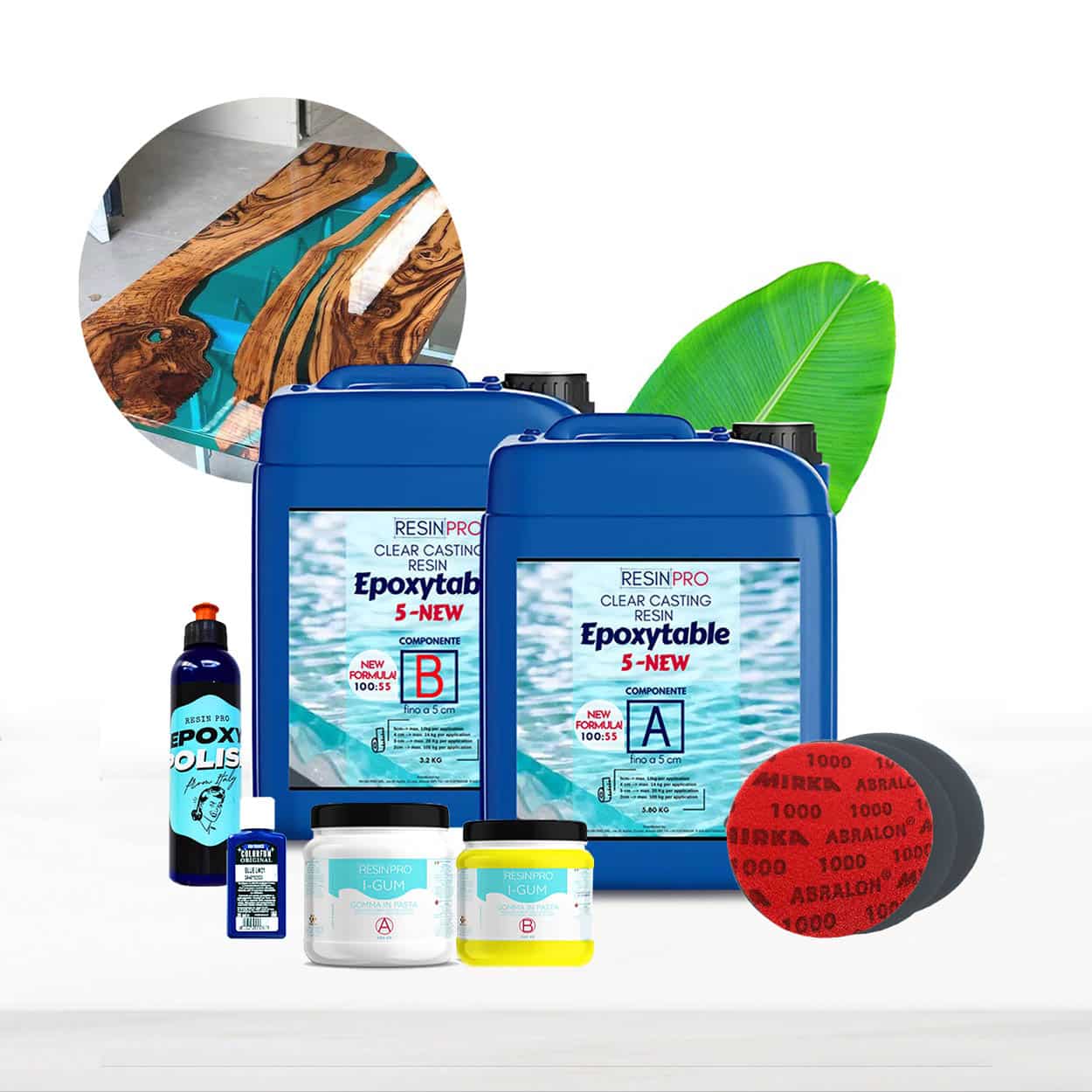
Using a complete starter kit like the “River-Table” kit offers clear mixing instructions, which can help prevent similar issues in future projects.
Tips to ensure a successful cure
Always use clean tools and containers, and never estimate ratios by eye. Follow the product instructions for both mixing and environmental conditions. If making large pours, consider working in layers as recommended by your resin supplier to minimise the risk of improper curing.
When this matters most
Correct resin curing is crucial for structural strength and long-term clarity in tables and artistic projects. If you’re planning a high-use piece or a deep-poured river table, taking every care with ratios and conditions is especially important.
Related products
Related guides
By following these troubleshooting steps, you’ll maximise your chances of a flawless, hard finish for your resin table. For more on creating beautiful resin and wood surfaces, visit our full guide to building a table with resin.