 Free shipping on orders over £29,85
  Shipping Tracking!


 Google
 Facebook
How to create resin pendants?
Making your own resin pendants is a rewarding way to create personalised jewellery that showcases your unique style. Whether you favour delicate inclusions or bold pigments, this guide covers each crucial step, ensuring you achieve flawless, glass-like pieces perfect for gifts or personal wear. You’ll learn about preparation, pouring, curing, and finishing techniques tailored for beginners and crafters alike.
A complete crafting guide from concept to finish piece


What You’ll Need
- “Evershine Collection” – Artisan Jewellery Epoxy Resin Kit with 100+ Accessories: A versatile kit containing resin, pigments, findings, and moulds, ideal for beginners.
- “One-2-One” – Epoxy Resin for Handcraft, 1:1 Mixing Ratio: Suitable for traditional, clear-pour pendants and casting small items.
- “UV–Creation” – Fast Acrylic Resin, 3 Minute UV Cure: Offers rapid curing for quick projects if you wish to work with UV lamps.
- “Trasparente” – Multipurpose Clear Epoxy Resin for Casting – Up to 2cm: Best suited for larger or deeper pendant designs up to 2cm in thickness.
- Safety gloves and a dust mask
- Silicone pendant moulds
- Mixing cups and stirrers
- Decorative inclusions (e.g., dried flowers, glitter, metal leaf)
- Jewellery findings (bails, chains, keyring loops, etc.)
- UV lamp (for UV resin only)

Creative Inspiration: Resin Pendant Ideas
Experiment with layering pigments, embedding pressed flowers, or incorporating luminous glitter to personalise each resin pendant. Mix letter moulds for name jewellery or embed memorable trinkets for keepsake gifts. Small touches bring individuality to every piece.
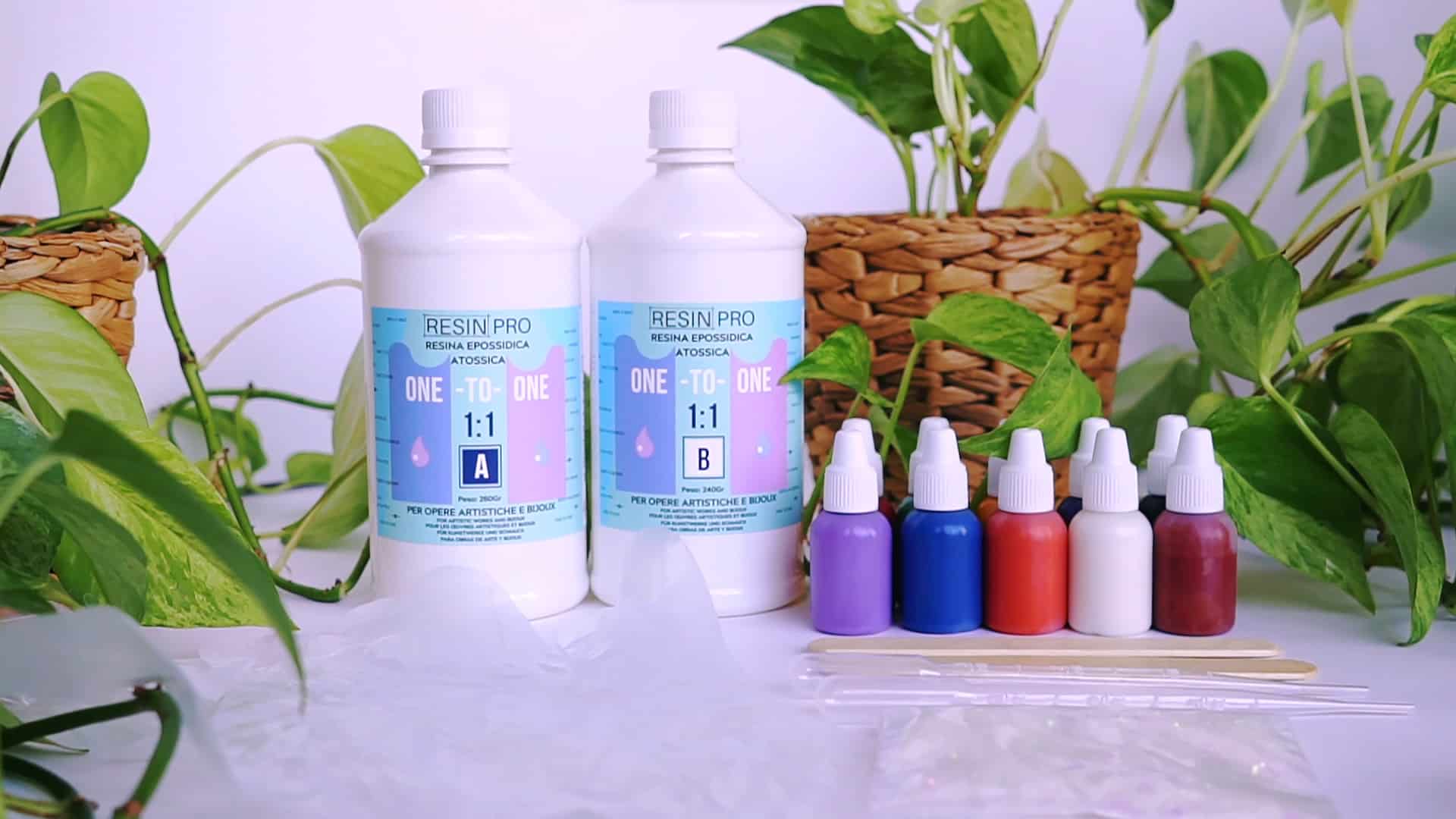
Step 1: Prepare Your Workspace and Materials
Start by setting up a clean, level work area protected from dust and direct sunlight. Lay down a silicone mat or old newspaper to catch any drips. Work in a well-ventilated space and wear gloves to protect your skin from sticky spills or resin contact. Before you begin, gather your silicone moulds, measuring equipment, and decorative additions, arranging them for easy access.
It’s crucial to check all materials are dry and free from dust, as moisture or debris can produce bubbles and cloudy finishes. For optimal results with two-part epoxies, ensure room temperature is between 18–24°C.
Step 2: Measure and Mix Your Resin
Depending on the product you choose, follow the specified mixing instructions carefully. For example, both the “One-2-One” – Epoxy Resin for Handcraft, 1:1 Mixing Ratio and “Evershine Collection” – Artisan Jewellery Epoxy Resin Kit with 100+ Accessories require simple equal-part volumes, which reduces error and makes the process beginner-friendly. Use only the correct mixing ratios—inaccurate measurement leads to tacky or brittle pendants.
Slowly add the hardener to the resin and stir with a mixing stick for at least 2–3 minutes, scraping the sides and bottom of the cup to ensure thorough blending. If using “UV–Creation” – Fast Acrylic Resin, no mixing is needed; simply squeeze the resin directly into your mould.
Step 3: Add Pigments and Inclusions
After mixing, you can tint your resin with colour pigments or powders. Begin with a tiny quantity and blend thoroughly to avoid streaks. Carefully add inclusions like dried flowers, glitter, or decorative foil, arranging them in the moulds as you wish. For UV resin, add inclusions and pigments directly to the mould before curing.
Be mindful not to introduce extra moisture with inclusions—dried flowers should be fully dry. Use tweezers for precise placement to avoid disturbing your resin layers.
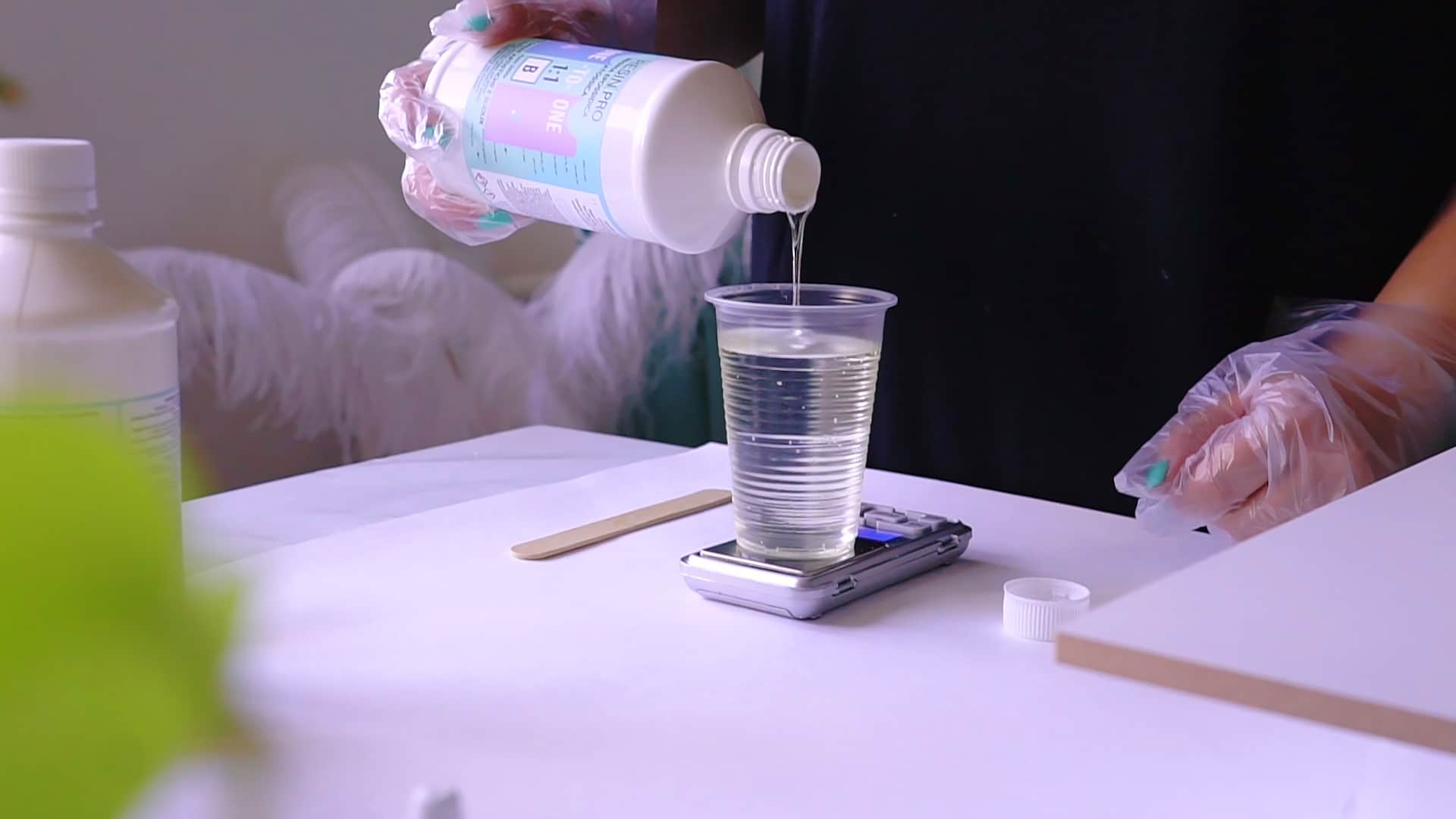
Step 4: Pour into Moulds and Cure
Slowly pour or dispense the resin mixture into each silicone mould, filling to your desired thickness but not overflowing. Allow full curing time before demoulding—typically 12–24 hours for standard epoxy resins, while “UV–Creation” – Fast Acrylic Resin will cure in 3 minutes under a UV lamp.
If bubbles form, gently pass a low-heat source like a small torch or toothpick over the surface to remove them. Avoid moving the moulds during curing to prevent uneven backs or dust settling into your pendants.

Step 5: Demould, Finish, and Attach Findings
Cautiously remove cured pendants from the moulds, supporting delicate edges. Trim away any sharp bits or overflows with a craft knife or fine sandpaper. Avoid overfilling your moulds as excess resin can create unsightly edges.
Complete your design by drilling small holes (if not already present) and attaching jewellery findings such as bails, chains, or keyrings. Kits like the “Evershine Collection” – Artisan Jewellery Epoxy Resin Kit with 100+ Accessories supply a precision drill and a wide range of findings for easy assembly.
Tips, Common Mistakes, and Troubleshooting
- Clean spills immediately with suitable wipes to prevent surfaces from becoming sticky.
- If your pendants remain sticky, confirm your resin and hardener ratio, mixing accuracy, and room temperature were correct.
- For a flawless finish, always let the pendants cure completely before handling or sanding.
- Store leftover resin tightly sealed, away from heat and sunlight to maintain shelf life.
Finishing Touches for Your Resin Jewellery
After demoulding, gently sand the edges or polish the surface for a high-gloss shine. Pair your pendants with decorative bails and matching chains for a complete look. Protect your creations from harsh chemicals and avoid prolonged sun exposure to maintain clarity.
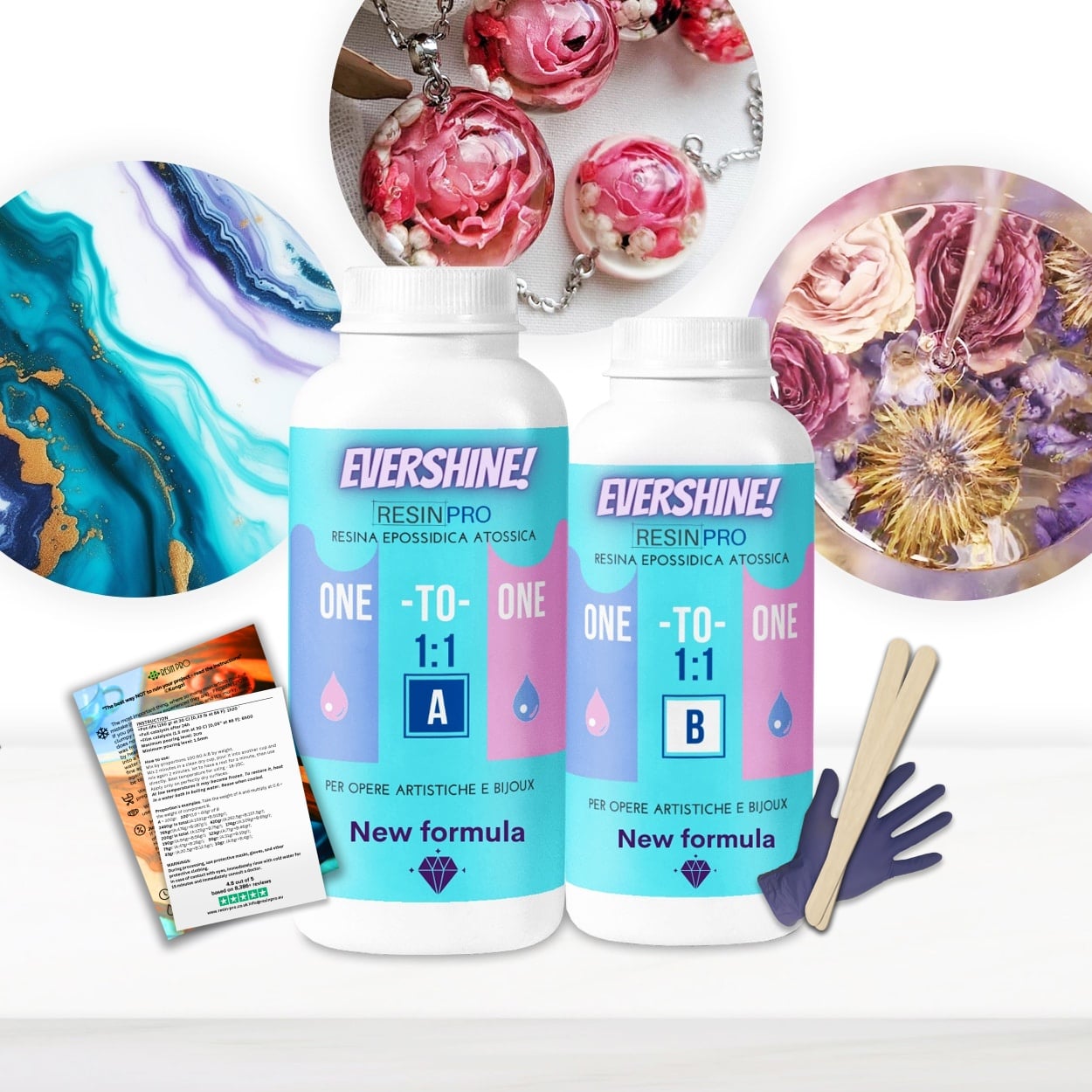
- "Evershine Collection" – Artisan Jewellery Epoxy Resin Kit with 100+ Accessories£20.85"Evershine Collection" offers a complete beginner-friendly epoxy resin jewellery kit with 500g of clear resin and over 100 accessories.
- "One-2-One" – Epoxy Resin for Handcraft, 1:1 Mixing RatioPrice range: £14.85 through £56.85"One-2-One" epoxy resin features a non-toxic formula and easy 1:1 mixing for crystal clear, glossy results suited to resin pendants and detailed…
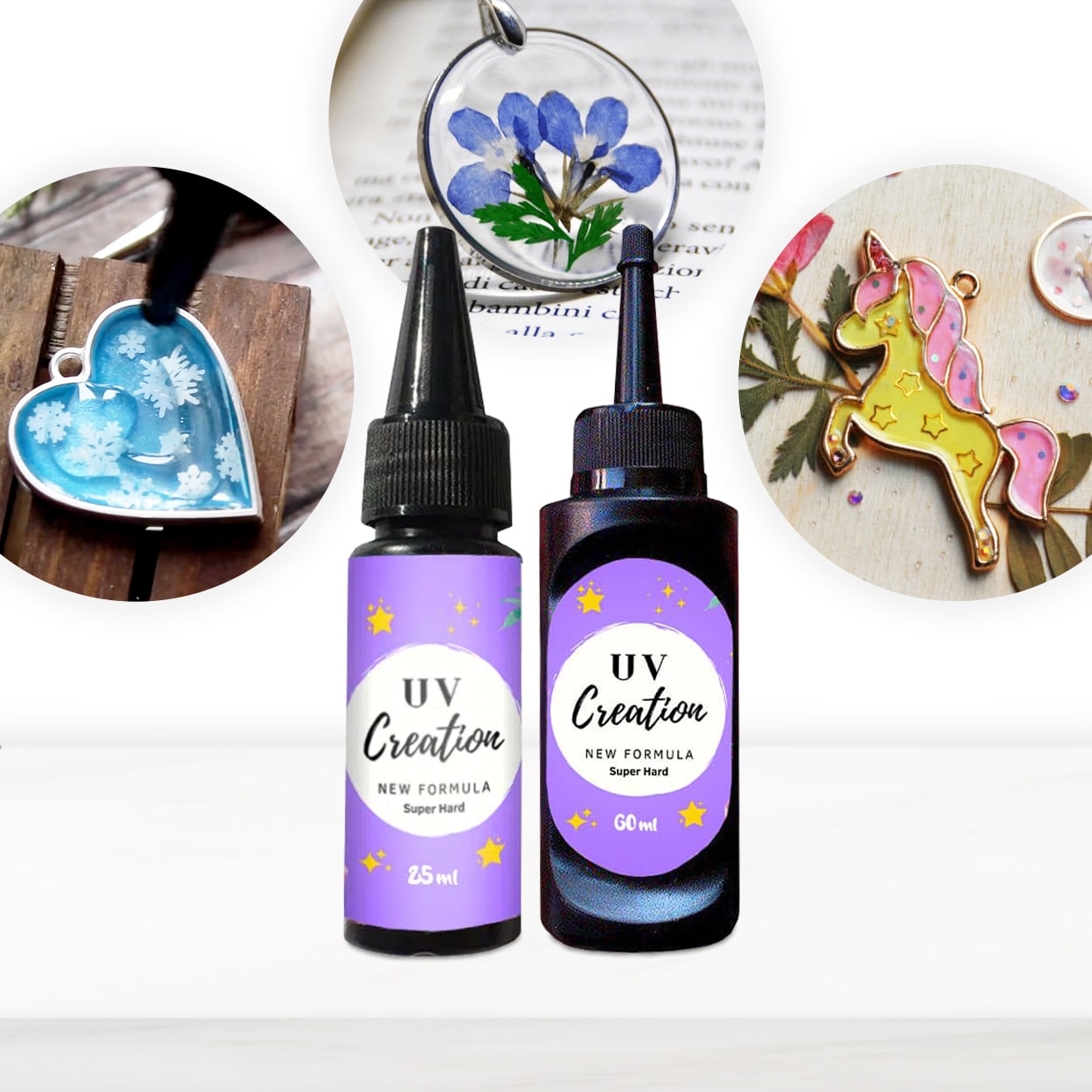 "UV–Creation" – Fast Acrylic Resin, 3 Minute UV CurePrice range: £7.85 through £59.85"UV–Creation" offers a quick curing UV resin suited for jewellery makers wanting a ready-to-use, non-toxic product with a clear glossy finish.
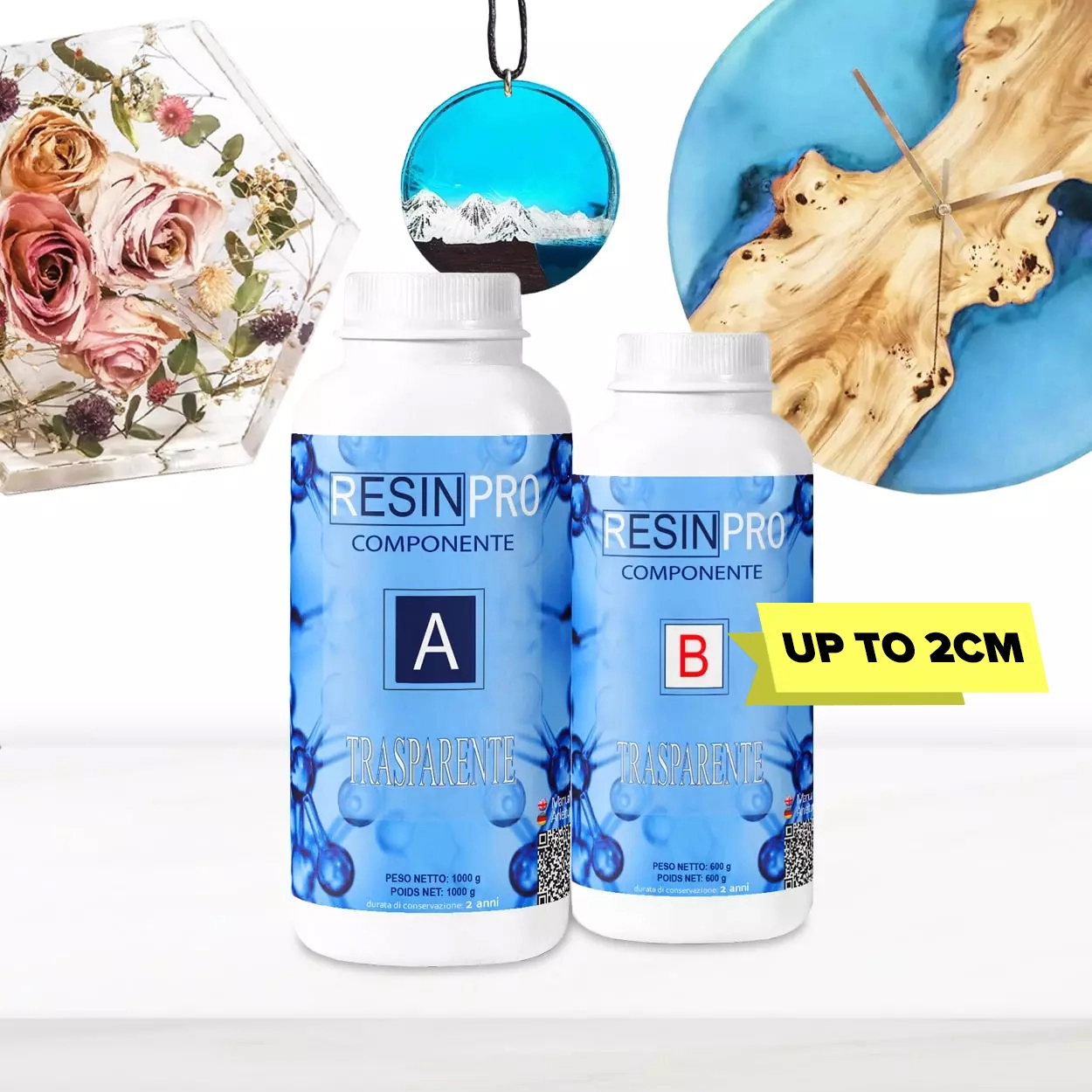 "Trasparente" – Multipurpose Clear Epoxy Resin for Casting – Up to 2cmPrice range: £8.45 through £948.85"Trasparente" is an ultra-clear epoxy resin suitable for detailed castings and small projects requiring up to 2cm layers, fitting the theme of…
Frequently Asked Questions
Which resin is best for making pendants?
Epoxy resin with a 1:1 ratio is popular for pendants, while UV resin offers a quicker alternative for small jewellery pieces.
How do I avoid bubbles in resin jewellery?
Mix slowly, use dry inclusions, and pass a low-heat source over the surface before curing to release trapped air.
How long does resin take to cure for pendants?
Standard epoxies may take 12–24 hours; UV resins cure in a few minutes under a UV lamp.
Can you use dried flowers or paper in resin pendants?
Yes, but ensure they are completely dry to avoid cloudiness or unwanted bubbles.
Can I demould my pendants early?
No; demould only after full curing for best results. Early removal can damage your project or leave sticky surfaces.
How do I polish or finish resin pendants?
Lightly sand rough edges and use fine polishing compound or a soft cloth to enhance the gloss.