 Free shipping on orders over £29,85
  Shipping Tracking!


 Google
 Facebook
How to Make a Resin Pendant: A Tutorial
Creating your own resin pendants is a rewarding craft, allowing you to design personalised jewellery that captures your style or preserves small keepsakes. Whether you are a beginner or enthusiast, this step-by-step tutorial will guide you through every stage, from preparing your mould or bezel to achieving a flawless, glossy finish. Explore the techniques, safety guidance, and helpful tips needed for consistently dazzling results.
Step-by-step guide to crafting unique resin jewellery pieces

What You’ll Need
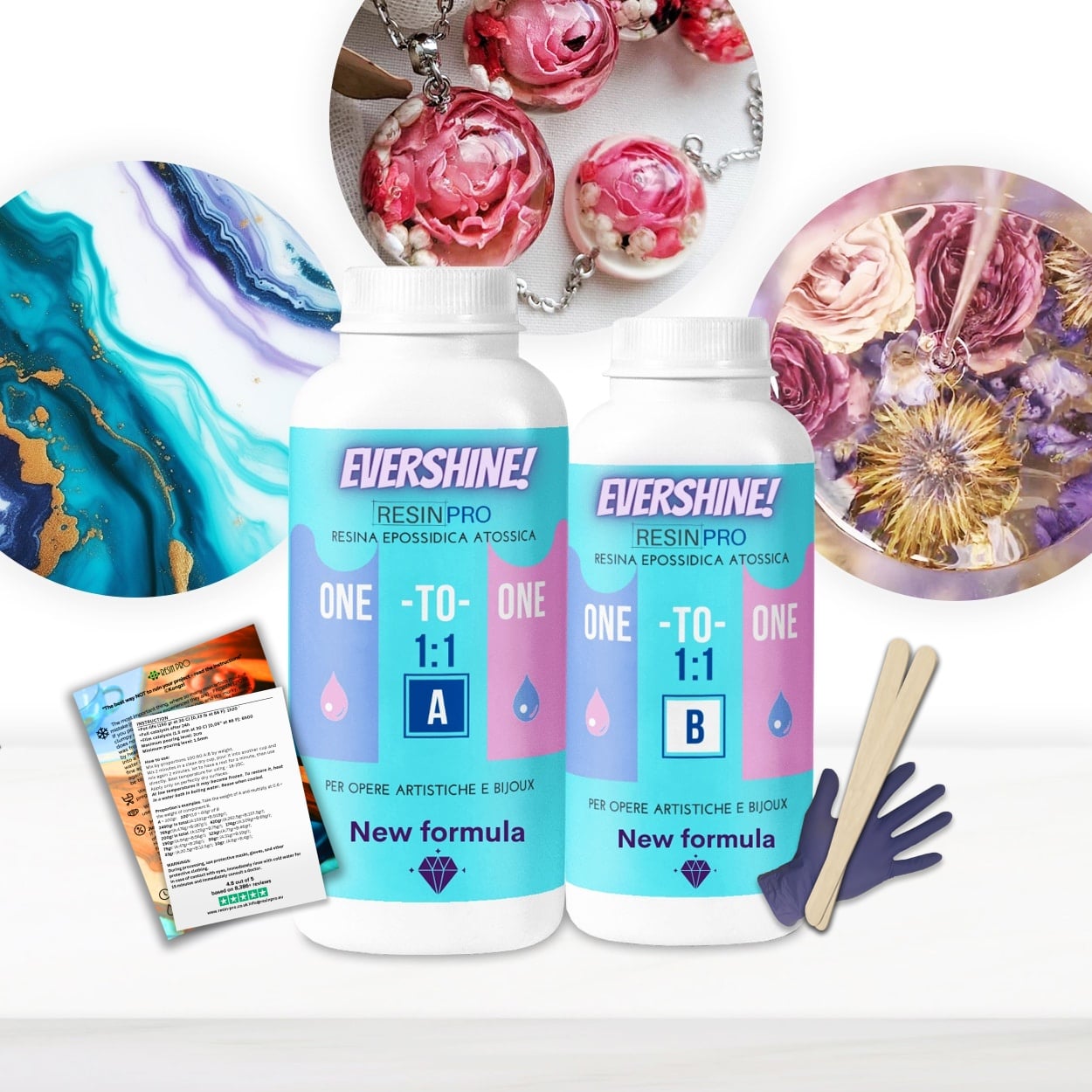
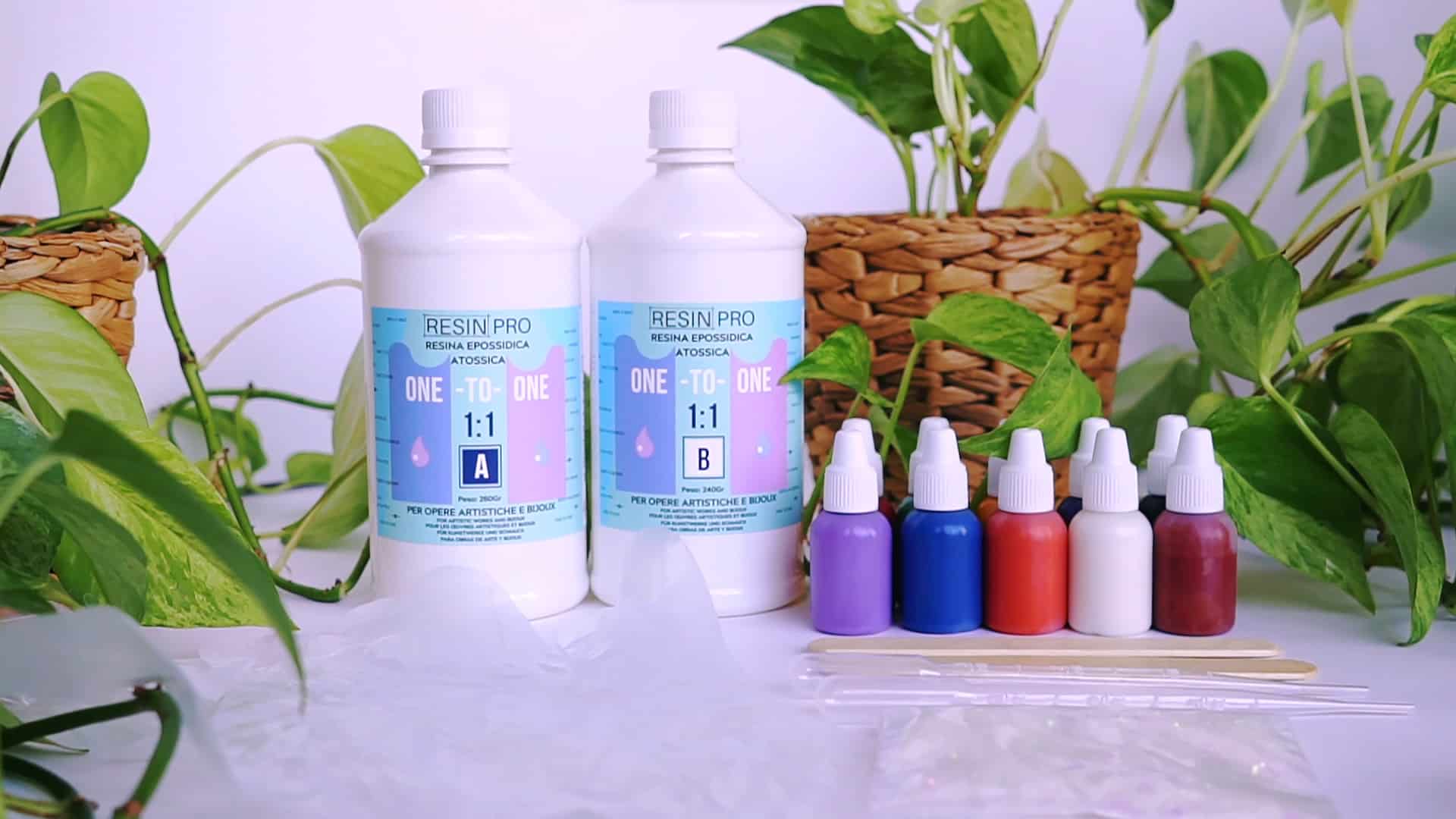
- “UV–Creation” – Fast Acrylic Resin, 3 Minute UV Cure or “One-2-One” – Epoxy Resin for Handcraft, 1:1 Mixing Ratio – for the casting process
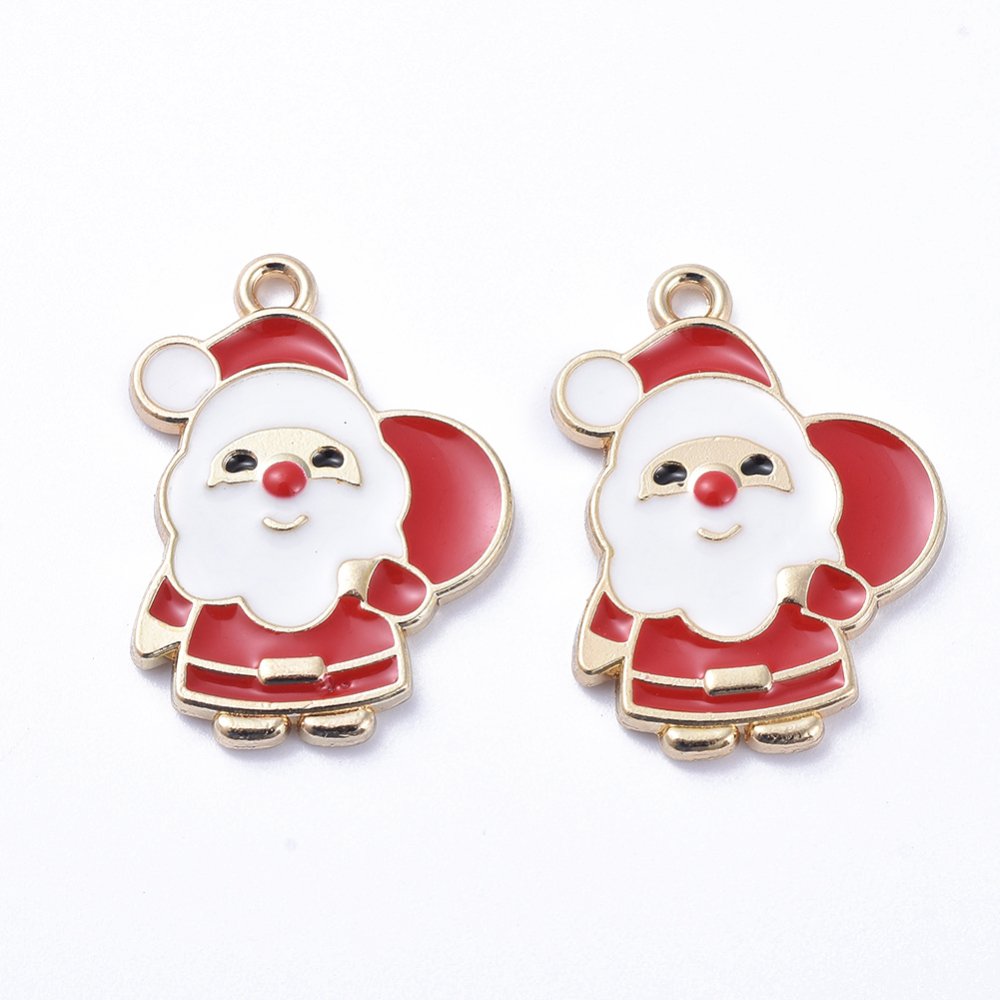
- Set of 10 Open Metal Bezels for Jewellery Making and UV Resin Projects – ideal for shaping and supporting your pendant
- Decorative inclusions (such as dried flowers, glitters, or mini images)
- Mixing cups and wooden sticks
- Protective gloves and disposable apron
- UV lamp (if using UV resin)
- Toothpick or pin (for removing bubbles)
- Jump ring and necklace chain

Choosing Your Resin and Accessories
Selecting the right resin is crucial for result quality and ease of use. UV resins such as UV–Creation provide ultra-fast curing under a UV lamp. For more working time and versatility, two-part systems like One-2-One epoxy resin are excellent choices. Open metal bezels provide a reliable foundation for your pendant, especially for beginners exploring resin crafting.

Step 1: Prepare Your Workspace and Bezels
Always work in a well-ventilated area and wear gloves to protect your skin. Lay down a disposable surface or silicone mat to catch spills. If using open metal bezels for your pendant, ensure they are clean, dry, and securely placed on a piece of tape (sticky-side up) to seal the back and prevent leaks.
Arrange your decorative inclusions so they are close at hand, as you may want to place them into the resin while it is freshly poured. Avoid handling bezels with oily or dusty hands, as this may affect adhesion and overall clarity.
Step 2: Mix and Pour the Resin
Choose your resin based on project requirements. For instant results, use UV–Creation, a fast-curing acrylic resin that only requires a UV lamp, or opt for One-2-One Epoxy Resin if you prefer an easy 1:1 mix and longer working time.
For two-part resins, carefully measure equal volumes of resin and hardener and mix slowly in a disposable cup for 2–3 minutes until fully blended and streak-free. Avoid whipping or stirring vigorously, as this can introduce excess bubbles.
Gently pour a thin layer of resin into each bezel, ensuring even coverage at the base. Add your inclusions, then slowly top up with more resin to just below the bezel’s rim. Do not overfill the bezel, as resin may overflow or produce a domed surface.
Step 3: Remove Air Bubbles and Cure
Inspect the poured resin for air bubbles, which can create cloudy spots or holes in the finished pendant. Carefully pop any bubbles rising to the surface with a toothpick or pin. For larger inclusions, check that air is not trapped beneath them.
If using UV resin, immediately place the filled bezel under a UV lamp and cure for 2–3 minutes or as recommended. For two-part epoxy resins, cure in a dust-free location for 24–48 hours. Leave your pendant covered while curing to protect the surface from dust or debris. Once fully cured, resin should be hard and clear with a high-gloss finish.
Step 4: Demoulding, Finishing and Assembling
Gently peel away backing tape from bezels and check the edges for any excess resin, which can be trimmed with a craft knife or sanded for a smooth finish. If needed, your pendant can be further polished using a fine sanding pad and polishing compound. Wipe away any dust before final assembly.
Attach a jump ring through the bezel loop, and thread your completed resin pendant onto a necklace chain. Your bespoke piece of jewellery is ready to wear or gift to someone special.
Tips and Common Mistakes to Avoid
Measure resin and hardener precisely to achieve a successful cure—too much of either can cause cloudiness or tacky finishes. Remove air bubbles before curing to prevent cloudiness and always work in a dust-free space. For UV resin, check that your lamp is suitable for jewellery-grade projects to guarantee a complete cure.
Begin with smaller pendants to learn control over resin and inclusions before attempting larger, more intricate designs. Clean all tools promptly as leftover resin will harden permanently. Take your time during each step; resin jewellery rewards patience and attention to detail.
Finishing Touches for a Professional Look
To achieve a flawless, professional-quality pendant, pay attention to edge finishing and polishing. After demoulding, check for sharp or uneven edges and file gently as needed. Ensure all hardware connections are secure, and consider incorporating pigment powders or dried flowers for creative flair. Personalise each pendant to reflect your unique style or create meaningful gifts with embedded keepsakes.

- Set of 10 Open Metal Bezels for Jewellery Making and UV Resin ProjectsOriginal price was: £8.45.£6.85Current price is: £6.85.Set of 10 open metal bezels designed for Christmas jewellery making and compatible with UV resin projects.
- "Evershine Collection" – Artisan Jewellery Epoxy Resin Kit with 100+ Accessories£20.85"Evershine Collection" kit includes 500g high-transparency resin and over 100 accessories, suitable for jewellery makers and craft enthusiasts.
- "One-2-One" – Epoxy Resin for Handcraft, 1:1 Mixing RatioPrice range: £14.85 through £56.85ONE–2–ONE epoxy resin offers a clear, glossy finish with a simple 1:1 mixing ratio suited to handcraft jewellery projects.
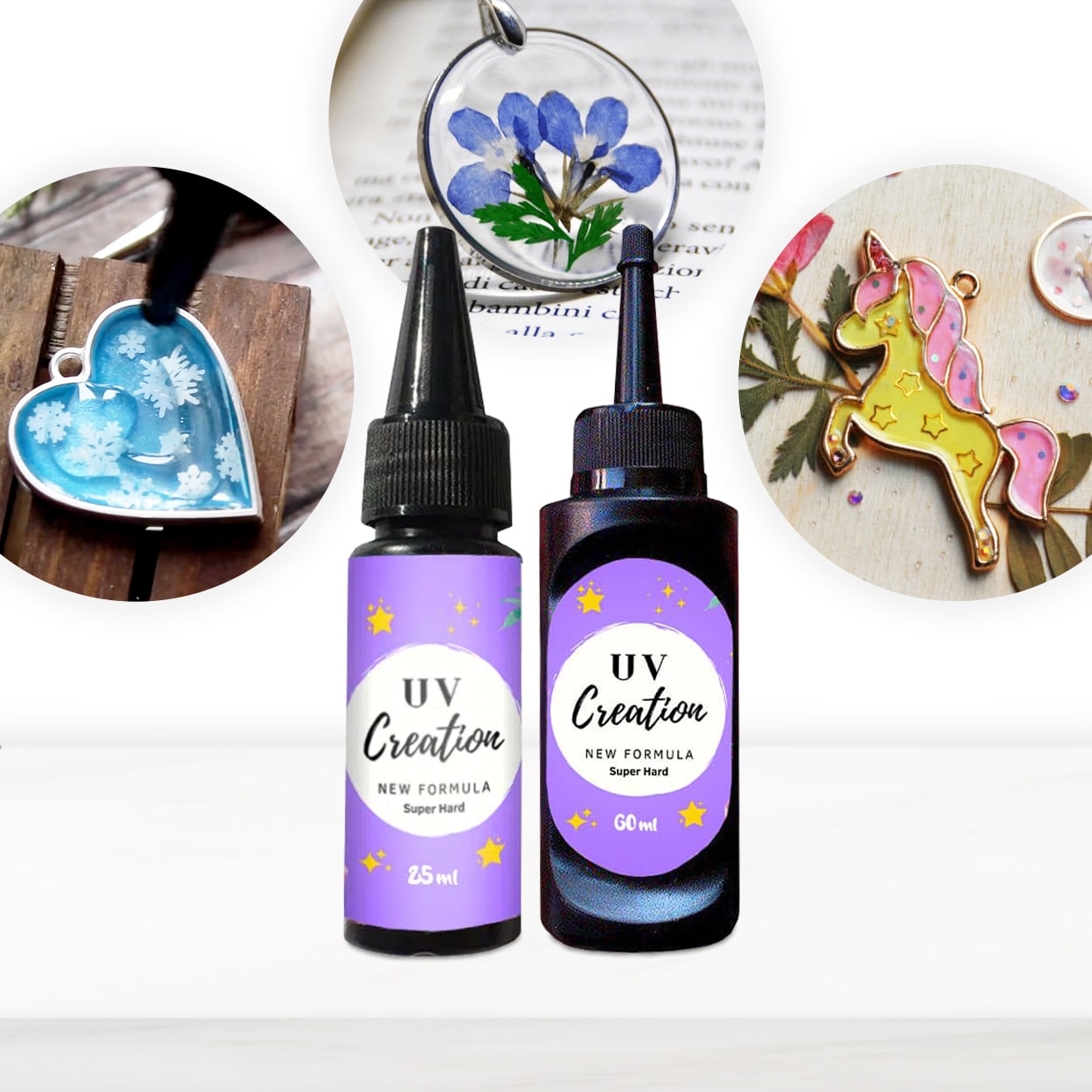 "UV–Creation" – Fast Acrylic Resin, 3 Minute UV CurePrice range: £7.85 through £59.85"UV–Creation" is a fast acrylic resin curing in 3 minutes under UV light, suitable for jewellery making with a clear, glossy, non-yellowing finish.
Frequently Asked Questions
What is the difference between UV resin and two-part epoxy resin for pendants?
UV resin cures in minutes under a UV lamp, while two-part epoxy cures in 24–48 hours at room temperature and offers more time for intricate designs.
Can I include dried flowers, glitter, or photos in resin pendants?
Yes, inclusions such as flowers, glitter or photos can be used as long as they're dry and properly secured before curing.
How do I avoid bubbles in resin pendant projects?
Mix resin slowly, pour gradually, and use a toothpick to pop surface bubbles before curing for a clear result.
How long does it take for a resin pendant to cure?
UV resin pendants can cure in 2–3 minutes, while two-part epoxy pendants require 24–48 hours to harden fully.
Is it safe to wear resin pendants as jewellery?
Yes, once fully cured, both UV and epoxy resin are safe to wear as jewellery. Avoid skin contact with uncured resin.
Are resin pendants durable and scratch-resistant?
Properly cured resin pendants are strong and moisture-resistant. Handle with care to maintain their glossy surface.
What is the best way to demould and finish resin pendants?
Gently remove bezels from tape, trim excess resin, and sand edges for a smooth finish before attaching pendant hardware.