 Free shipping on orders over £29,85
  Shipping Tracking!


 Google
 Facebook
← Back to How do you apply resin to wood?
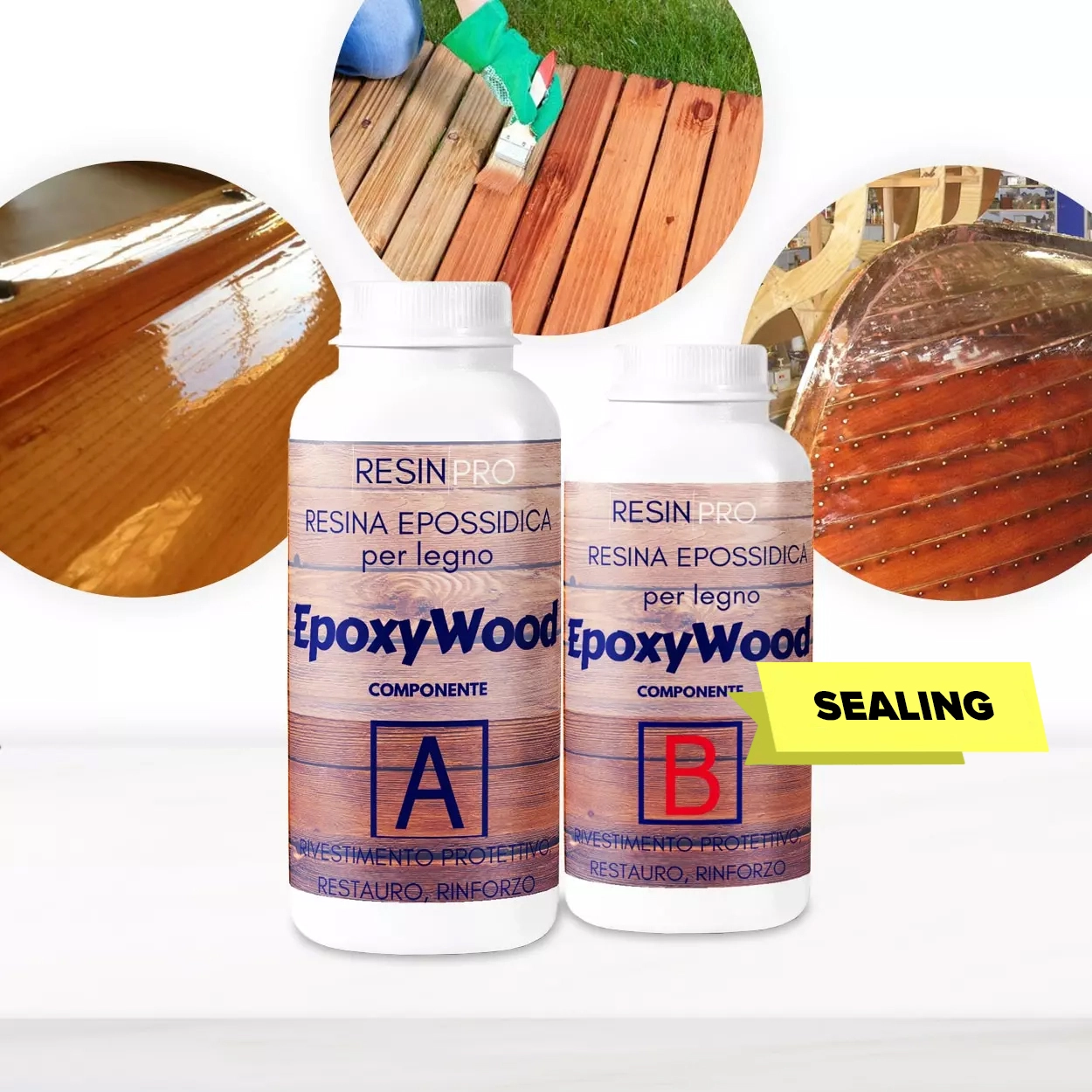
If you’re thinking of applying resin to wood, it’s important to know that not every resin is suitable. The right choice will determine how well it bonds, how strong the result is, and the overall look of your finished project.
Why Not All Resins Work With Wood
Wood is porous and can absorb or repel certain resins, making some products unsuitable and resulting in poor adhesion or patchy finishes. Resins developed specifically for wood will penetrate and bind to the substrate, delivering far better strength and durability than generic resin types. Using the right resin also avoids issues like warping, yellowing, or peeling over time.
Choosing a Resin for Wood Projects
Look for resins described as wood restoration or wood coating epoxies. For deep repair or strengthening tasks, a product like EpoxyWood is formulated to penetrate the wood’s pores and reinforce the structure from within. If you’re planning a clear, protective coating for decorative surfaces, consider crystal-clear formulas such as Icrystal or a surface coating resin like Art Pro. Always ensure the surface is dry and sanded before application to improve adhesion and appearance.
When It Matters to Choose the Right Resin
- Restoration: Choosing the wrong resin may provide little reinforcement, failing to protect weathered or damaged wood.
- Decorative Finishes: Only specialist clear coats offer the clarity and scratch resistance wanted for tables and art.
- Water Exposure: Not all resins offer lasting waterproofing – pick a wood-optimised product for best results.
Related products
Related guides
Selecting a resin developed for wood ensures your projects are both beautiful and robust. For further application advice and guidance, see our full guide on how to apply resin to wood.