 Free shipping on orders over £29,85
  Shipping Tracking!


 Google
 Facebook
How do you apply resin to wood?
A complete guide for surface prep, pouring and finishing wood
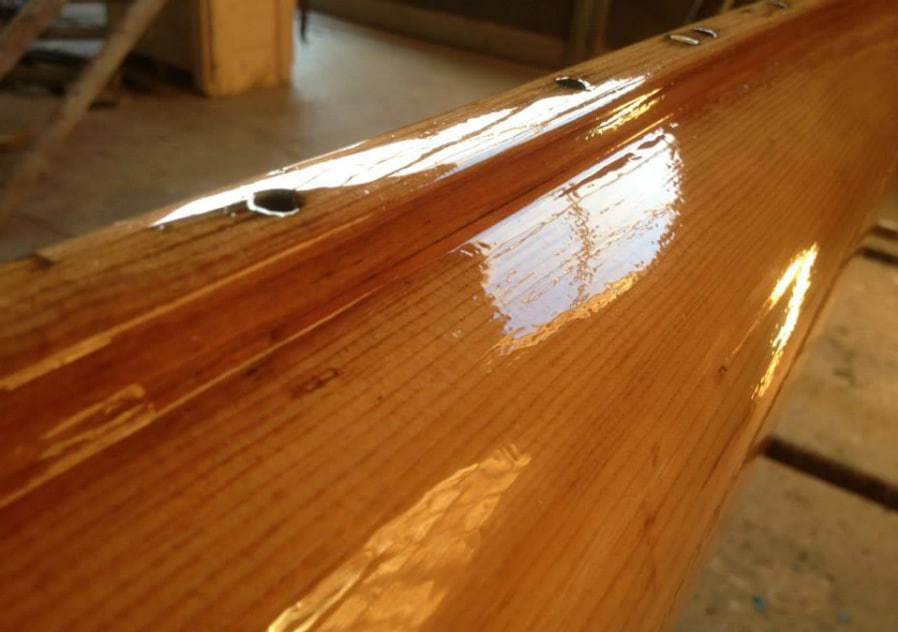
Applying resin to wood can transform ordinary surfaces into stunning, glass-like finishes or provide years of protection and reinforcement. Whether you are sealing tabletops, casting river tables or restoring old timber, careful preparation and correct technique are paramount for strong, beautiful and long-lasting results. This step-by-step guide covers the full process, key tips, and professional pitfalls to avoid so you can achieve exceptional outcomes with your next woodworking or craft project.
What You’ll Need
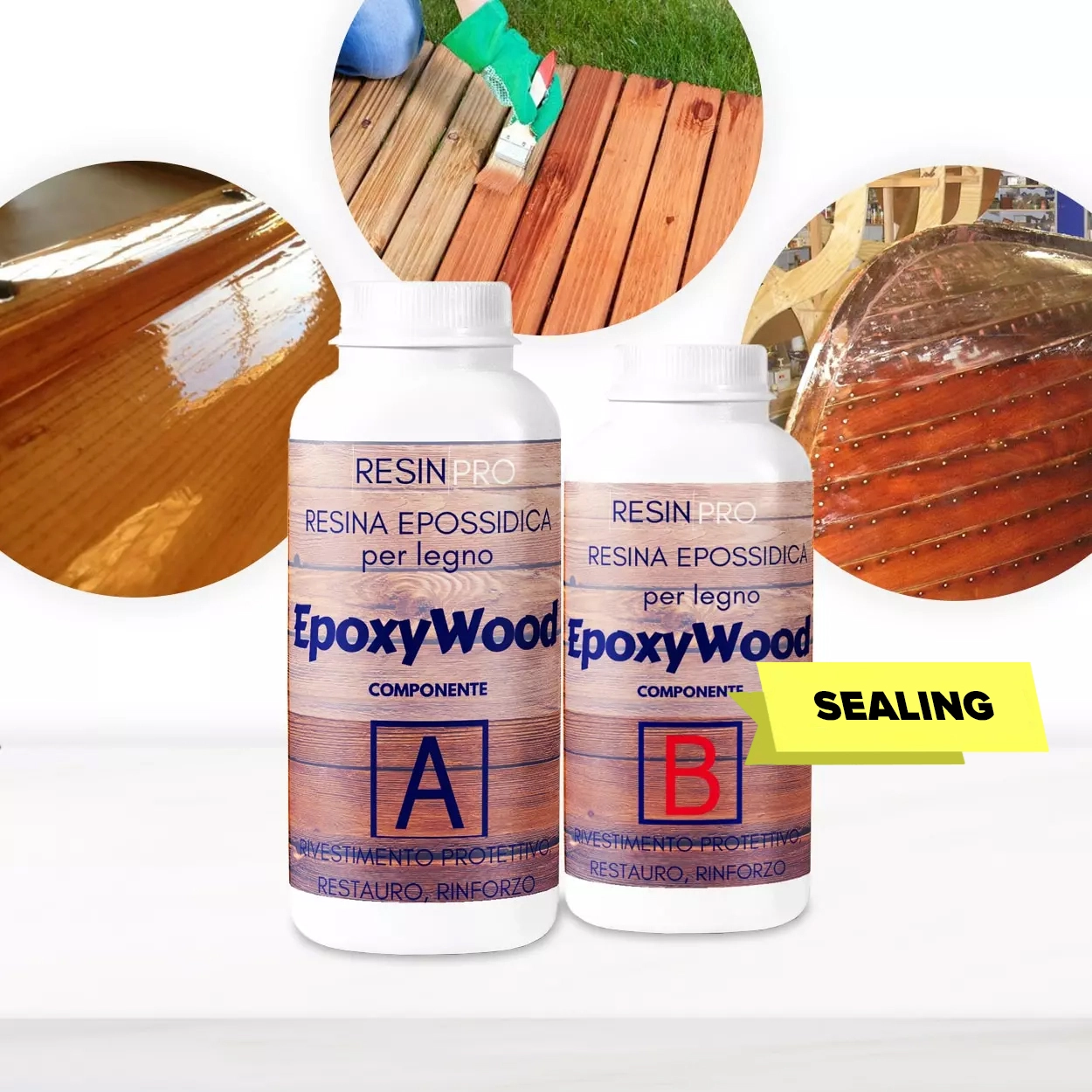
- “EpoxyWood” – Wood Restoration Epoxy Resin for Deep Penetration and Waterproofing: For waterproofing, restoration, and reinforcing wood fibres.
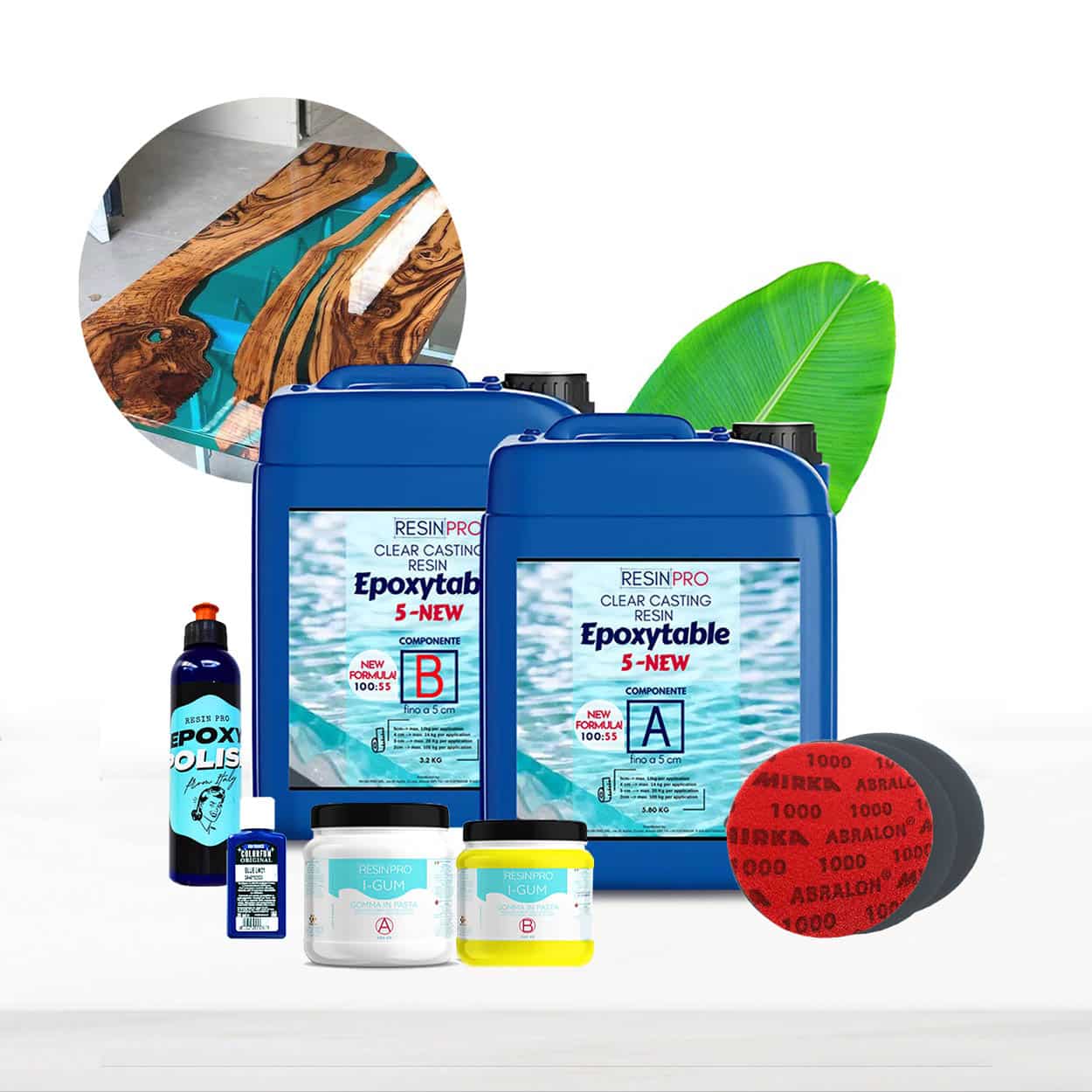
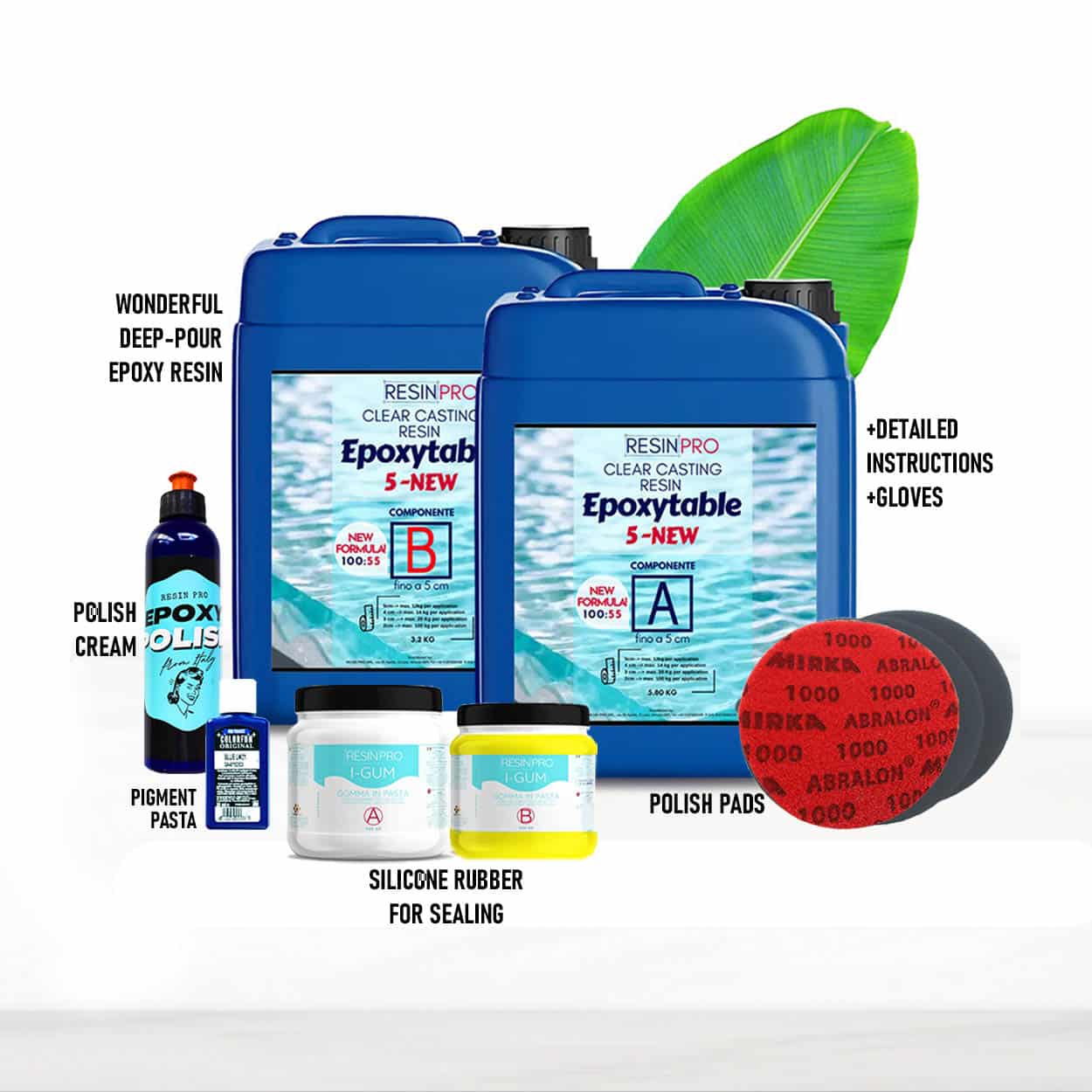
- “River-Table” – Complete Kit for Creating Your First Epoxy Resin Table: Includes epoxy, pigments, sealant, and full instructions—ideal for creative or first-time table projects.
- “Art Pro” – Clear Epoxy Resin for Artists and Surface Coating: Delivers glossy, scratch-resistant finishes for tabletops and decorative coatings.
- “Icrystal” – Clear Epoxy Resin – Odourless Formula – Up to 1.5cm: Provides clear, durable coatings for wood, ideal for decorative and DIY applications.
- Measuring and mixing containers
- Protective gloves and clothing
- Sandpaper (various grits)
- Clean, lint-free cloths
- Level work surface and formwork (if casting)
- Release tape or silicone (for mould edges, if casting)
- Plastic or wooden spatula for spreading
Essential Tools and Setup for Wood Resin Application
Gather all tools in advance and prepare your workspace in a clean, dust-free environment. Having high-quality measuring containers, protective clothing, and mixing sticks ready will streamline your process. Read product guides before starting to ensure safety and the correct technique.

Step 1: Prepare the Wood Surface Thoroughly
Preparation is key for resin and wood bonding. Start by making sure your wooden surface is completely dry and free from contaminants. Sand the surface evenly to remove old finishes, oils, or debris—use progressively finer grits for a smooth base. Remove dust using a clean, lint-free cloth, paying extra attention to corners or edges where grit can remain trapped.
If the wood contains knots, cracks or extensive grain, fill large defects with an appropriate filler and allow it to cure. For restoration and waterproofing, products like EpoxyWood excel due to their ability to penetrate wood fibres deeply, ensuring durable adhesion and a reinforced substrate.
Step 2: Seal and Prime (If Required)
Some open-pored woods or reclaimed timber are prone to air bubbles or excessive absorption. For best results, apply a thin sealing coat of resin to the wood first, using a brush or spatula. Allow this to partially cure (as per product instructions) before progressing to your main pour or coating layer. This step reduces outgassing and provides a controlled, even base for subsequent layers.
When creating river tables or large resin and wood projects, using a kit like the River-Table Complete Kit is particularly helpful, as it includes both sealing and casting components with full instructions.
Step 3: Mix and Pour the Resin Correctly
Carefully follow the manufacturer’s mixing ratios for your chosen epoxy. Pour hardener and resin into a clean container and mix thoroughly (scraping the sides and bottom), taking care not to whip in excessive air. If working with clear coatings or artistic finishes—such as Art Pro or Icrystal—pour the resin slowly in the centre and spread outwards with a spatula for an even finish. If you are casting or working to a mould, ensure formwork is perfectly sealed to prevent leaks.
Let the resin self-level, and use a heat gun or torch sparingly to remove surface bubbles within the first 10–20 minutes. Always check your work is on a level surface for even curing.

Step 4: Curing and Finishing Touches
Allow the resin to cure according to product instructions, typically ranging from 12 to 48 hours. Avoid disturbing or touching the surface during this time as this may introduce dust or imperfections. After curing, inspect for any drips or edges and sand smooth if needed.
For a flawless, high-gloss or scratch-resistant finish, consider a gentle polish using fine abrasive pads and polishing cream. Many complete kits include these polishing supplies for best results.
Tips, Common Mistakes and Troubleshooting
Avoid dust, moisture and poor sealing as these are the most frequent causes of imperfections. Only mix as much resin as you can apply within the working window to prevent waste. If working in cold or humid environments, acclimatise the wood and resin beforehand and work indoors where possible.
Test on a sample piece before your main project to understand curing behaviour, colour effect and compatibility. If air bubbles persist, gently warm the resin before mixing, but always stay within recommended temperature guidelines.
Real-World Examples and Surface Trouble Prevention
From small decorative objects to full-size tables, resin and wood combinations produce striking results. Cleanliness, climate and surface prep are your allies for success. Document your process with photos to help troubleshoot or share your achievement.
- "EpoxyWood" – Wood Restoration Epoxy Resin for Deep Penetration and WaterproofingOriginal price was: £64.00.£39.85Current price is: £39.85."EpoxyWood" is formulated for deep penetration and waterproofing of wood, suitable for restoration and protection projects.
- "River-Table" – Complete Kit for Creating Your First Epoxy Resin TablePrice range: £188.85 through £444.85"River-Table" kit offers materials and instructions for creating tables in wood and resin, designed for beginners interested in wood and resin…
 "Art Pro" – Clear Epoxy Resin for Artists and Surface CoatingPrice range: £31.15 through £388.85Art Pro clear epoxy resin offers durable, high-gloss finishes suitable for artistic surface coatings and decorative resin projects.
 "Icrystal" – Clear Epoxy Resin – Odourless Formula – Up to 1.5cmPrice range: £11.65 through £954.85"Icrystal" clear epoxy resin offers high transparency and scratch resistance, suitable for wood applications under this theme.
Frequently Asked Questions
What is the best resin for coating or repairing wood?
For repairing and waterproofing, use an epoxy designed for wood such as EpoxyWood. For coatings, a clear epoxy like Icrystal is ideal.
How can I prevent bubbles when applying resin to wood?
Seal the wood with a thin resin layer before the main pour, and use a heat gun or torch briefly to remove surface bubbles.
Can I use any resin on wood surfaces?
Not all resins are suitable for wood. Use products developed for wood applications for best adhesion, strength and appearance.
Do I need to sand wood before applying resin?
Yes, sanding creates a clean, textured surface for better resin adhesion and smoother results.
How long does resin take to cure on wood?
Cure times vary by product, ranging from 12 to 48 hours. Always check and follow the specific product instructions.
Should I polish wood after resin coating?
Polishing can further enhance gloss and smoothness. Many kits provide polishing creams and abrasive pads for a mirror-like finish.
Why is my resin sticky after curing on wood?
Sticky resin usually results from improper mixing or incorrect ratios. Accurately measure and mix thoroughly for best results.