 Free shipping on orders over £29,85
  Shipping Tracking!


 Google
 Facebook
← Back to How do you apply resin to wood?
Finding sticky or soft patches after your resin has cured on wood can be frustrating. Thankfully, the main reasons are usually simple and easily resolved with the right techniques and tools.
Common Causes of Sticky Resin on Wood
The most frequent cause of tacky resin is incorrect measuring or inadequate mixing of the resin and hardener. When the proportions are off, or if the mixture is not thoroughly blended, curing may remain incomplete, leaving a soft or sticky finish. Moisture in the wood or ambient humidity can also interfere with proper curing, so always ensure the wood is dry before starting.
How to Prevent and Fix Sticky Resin
- Measure accurately: Always use digital scales to obtain the correct resin-to-hardener ratio as specified by the product.
- Mix thoroughly: Stir slowly but thoroughly for several minutes, ensuring you scrape the sides and bottom of your mixing container.
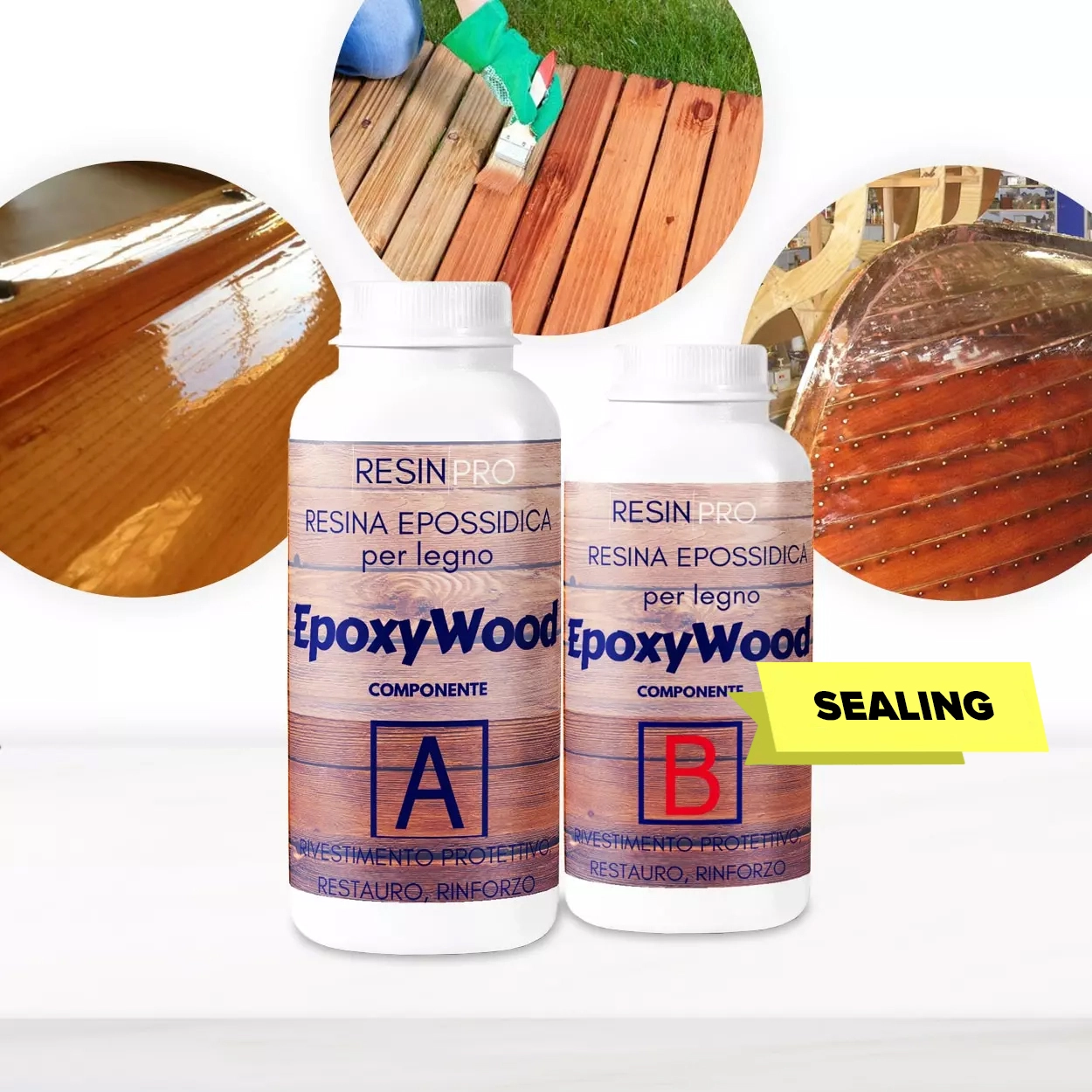
- Prepare your surface: Wood should be completely dry and lightly sanded for best adhesion. For deeper penetration and a reliable surface on restoration projects, you might consider a product like EpoxyWood.
- Fix sticky areas: If you’ve encountered a sticky patch, try removing it with a scraper or paper towel, then sand the area lightly. You can then pour a fresh, properly mixed layer of resin to repair the finish.
When This Issue Matters Most
Ensuring a complete, hard cure is vital for surfaces that need durability, such as tables, countertops, or exterior wood features. Incomplete curing can lead to dust attraction, poor resistance to wear, and an overall reduced lifespan of the piece.
Related products
Related guides
Addressing sticky resin early ensures your woodworking projects stand the test of time and maintain their finish. For further tips on application and recommended products, visit our main guide on how to apply resin to wood.