 Free shipping on orders over £29,85
  Shipping Tracking!


 Google
 Facebook
← Back to how to apply resin to concrete
Applying resin to old concrete is a great way to renew, protect, or seal your surfaces, provided you follow the correct preparation steps. Here’s what you should know before getting started.
Surface Assessment and Preparation
Before applying any resin, check that your concrete is structurally sound—no large cracks, crumbling, or significant damp patches. Clear away dust, dirt, oil, or any previous coatings, and ensure the concrete is completely dry. This process creates an even, absorbent base essential for achieving a lasting bond between your old concrete and the resin layer.
- Sweep and vacuum thoroughly.
- Repair any cracks or damaged areas.
- Let the surface dry completely after cleaning or any repairs.
Why Priming is Essential
Priming encourages optimal adhesion between resin and the existing concrete, especially for older or particularly porous surfaces. Quality primers seal the substrate, reduce dusting, and help prevent delamination. For most situations, a water-based primer like Epoxyprimer offers a reliable undercoat ahead of decorative or protective resins applied over concrete.
Choosing the Right Resin System
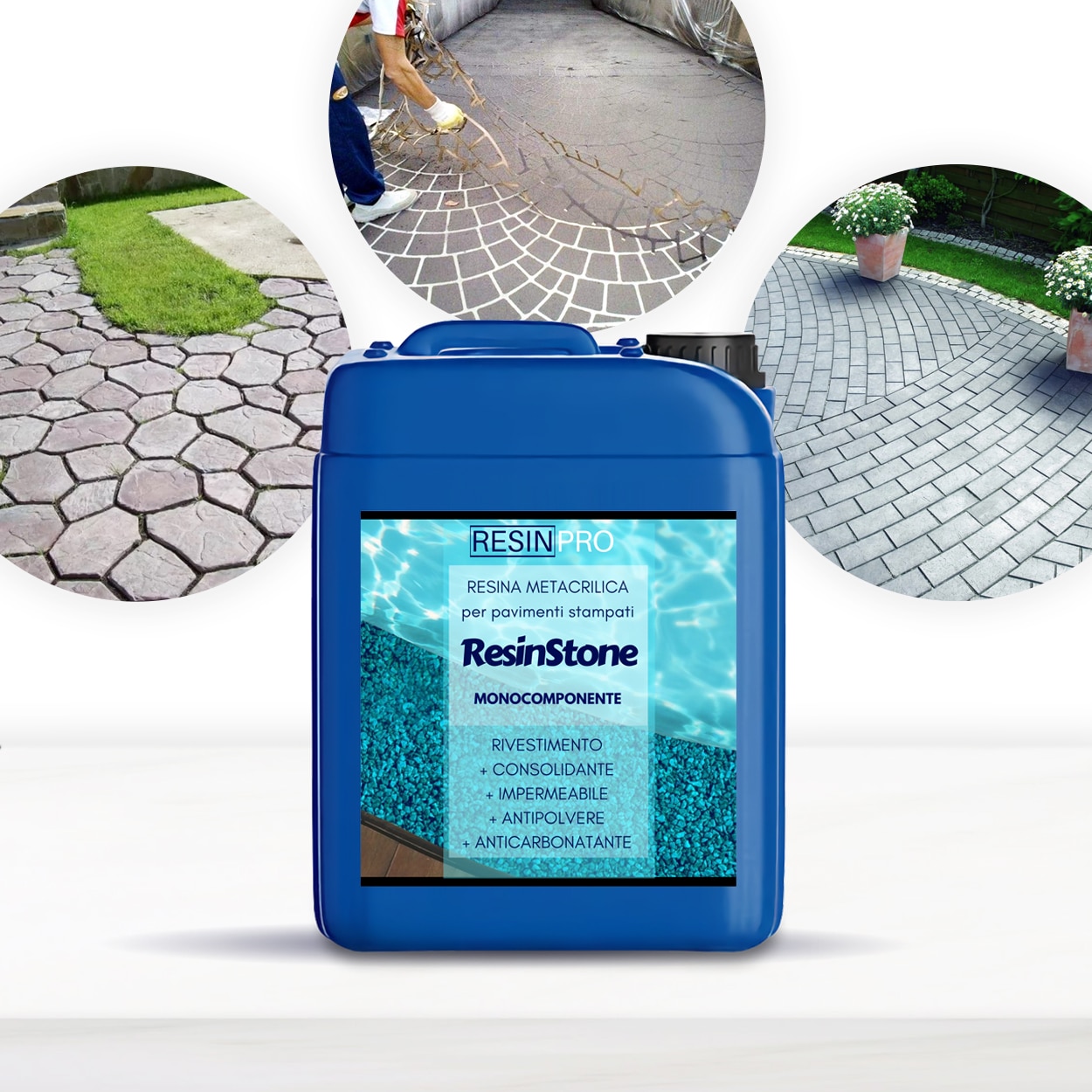
Select your resin based on usage and environment. For sealing and weatherproofing driveways or floors, a specialist option such as Resinstone helps protect against moisture, chemicals, and UV exposure. Always follow the product guidance regarding thickness, curing times, and any topcoat requirements.
When It Matters Most
Applying resin directly is most important for concrete surfaces exposed to heavy use, outdoor weather, or where appearance and easy maintenance are a priority. Careful surface preparation and priming are non-negotiable to ensure your results are durable.
Related products
Related guides
With the right preparation, resin can revitalise old concrete and provide lasting protection. For detailed tips and further application steps, visit our full guide on how to apply resin to concrete.