 Free shipping on orders over £29,85
  Shipping Tracking!


 Google
 Facebook
← Back to How to decalcify drinking water using resins?
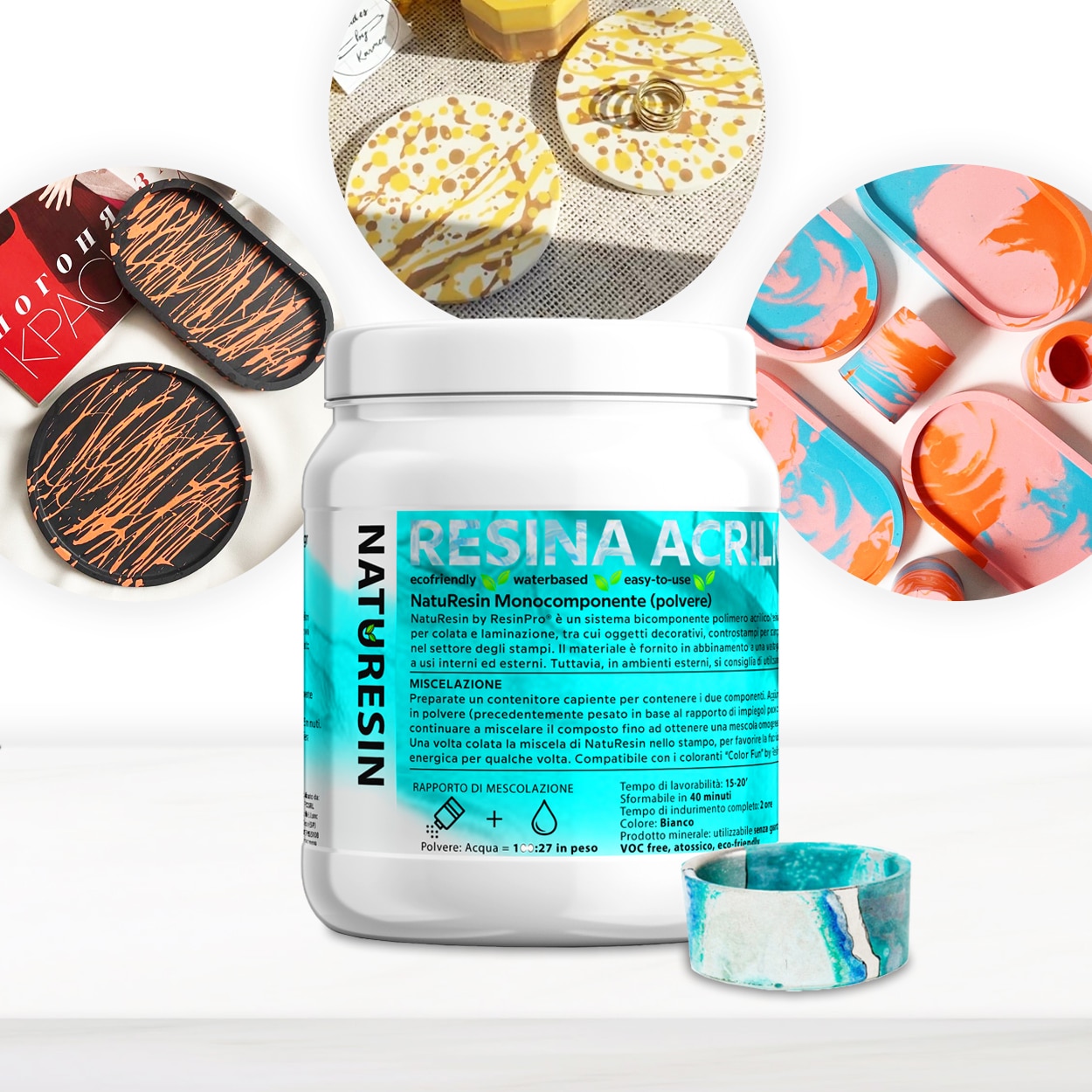
Decalcifying or softening drinking water requires choosing the correct resin type, both for effective results and for maintaining water safety. Not all resins are suitable for this purpose, so it’s vital to understand what to look for.
Understanding Resin Types for Water Softening
When it comes to treating drinking water, only food-grade ion exchange resins are appropriate. These resins work by exchanging calcium and magnesium ions, which cause water hardness, for sodium or hydrogen ions, effectively softening the water. Standard casting or craft resins, such as those used in creative projects, are not designed for any use in water purification and should never be used in this context.
Practical Guidance for Buying Safe Resins
If you’re looking for a resin to soften drinking water, always check product details for food safety compliance and explicit mention of use in water treatment or filtration systems. These ion exchange resins are often available through specialist water treatment suppliers. Avoid multi-purpose craft, epoxy, or polyurethane resins, as they are not manufactured for safe contact with drinking water.
When Food-Grade Ion Exchange Resin Matters
Choosing the correct resin is crucial if the treated water will be consumed. Using unsuitable resins can lead to water contamination or ineffective softening. In any home or professional water filtration setup, always make sure to install only those resins specified for potable water systems.
Related guides
Ensuring your drinking water is both soft and safe comes down to selecting the right resin type. For a deeper look into suitable methods and products for decalcifying water, return to our full guide on how to decalcify drinking water using resins.