 Free shipping on orders over £29,85
  Shipping Tracking!


 Google
 Facebook
How to decalcify drinking water using resins?
Clear guide to using resins for water softening and limescale removal

Decalcifying drinking water is essential in areas with hard water to prevent limescale build-up, prolong appliance life, and improve water quality. Using resins specifically formulated for water softening, you can significantly reduce calcium and magnesium ions in your tap water. This guide explains the proper technique and important safety steps for decalcifying water using resin systems.
What You’ll Need
- Food-grade ion exchange resin (ensure resin is certified for potable water use)
- Water filtration or softener housing (compatible with chosen resin)
- Basic plumbing tools for installation and maintenance
- Protective gloves and goggles
For workspace cleaning during resin handling or maintenance, a product like the Strong Technical Degreaser for Resin Projects – 100% Natural Formula can help keep your environment residue-free and safe.
Visual Overview: Water Softening Resin Systems
Food-grade ion exchange resins are typically supplied as small beads suitable for use in dedicated filter cartridges. Always seek out resins certified for water use and closely follow related safety guidance.
Step 1: Choose a Food-Grade Ion Exchange Resin
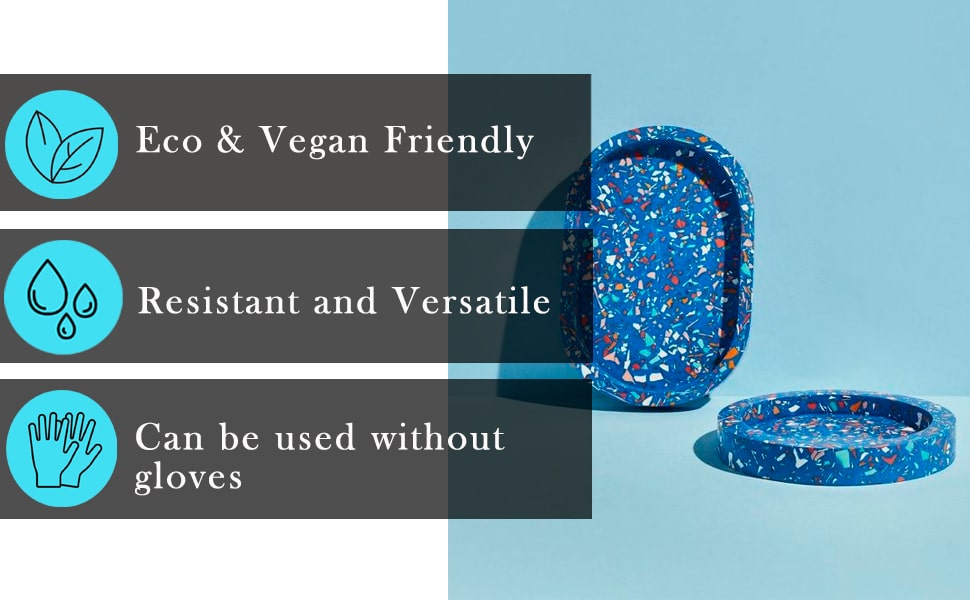
The most effective resins for decalcifying drinking water are ion exchange resins designed specifically for water softening and purification. Always ensure the resin is marked as food-grade and suitable for potable water applications. Avoid using casting, polyurethane, or decorative resins, as these are not formulated for water treatment and may leach harmful substances.
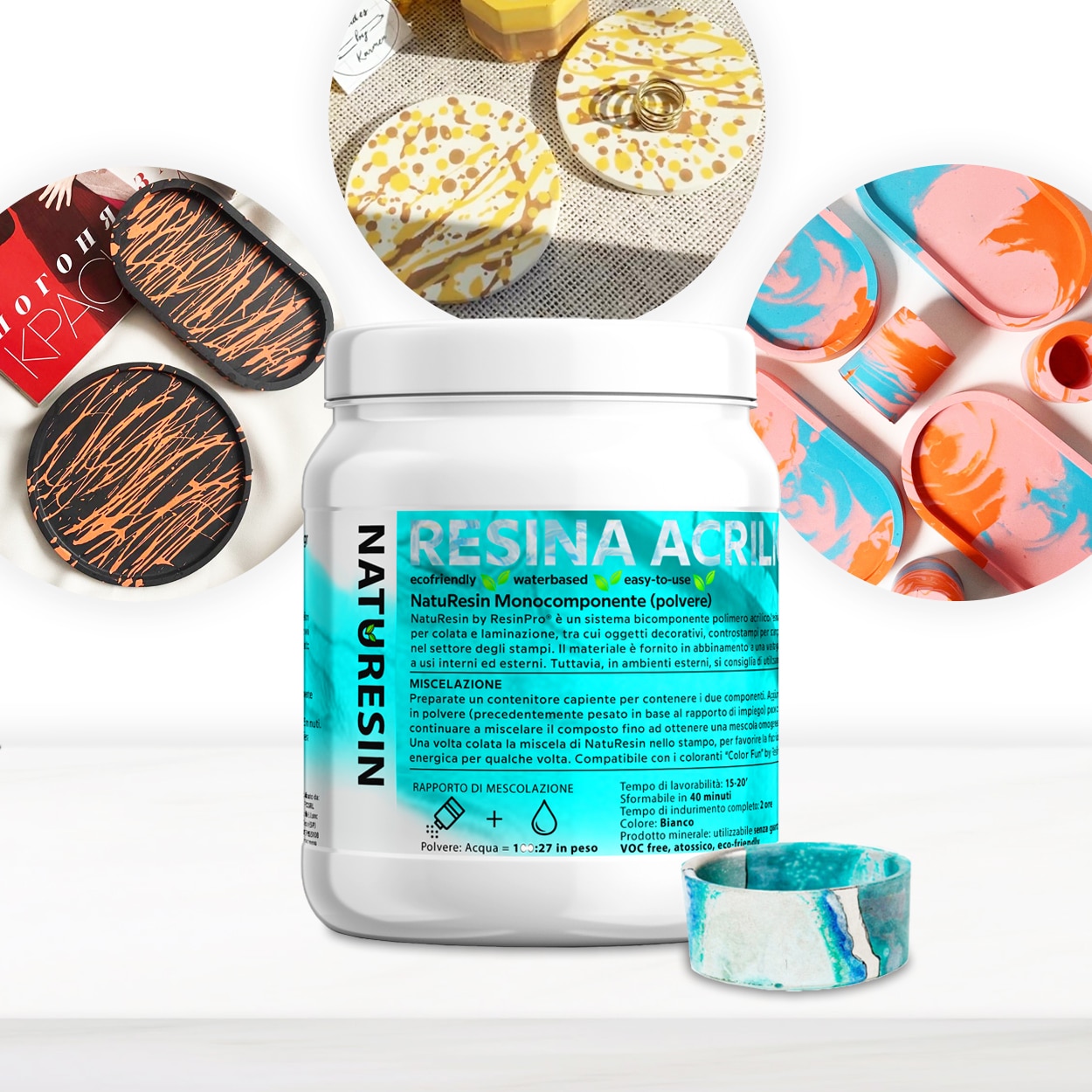
Carefully review product specifications before purchase, as resins for creative casting, such as “NatuResin” – Mineral Resin & Water System for Creative Casting and Crafts, are intended for artistic projects, not water purification.
Step 2: Thoroughly Rinse and Activate the Resin
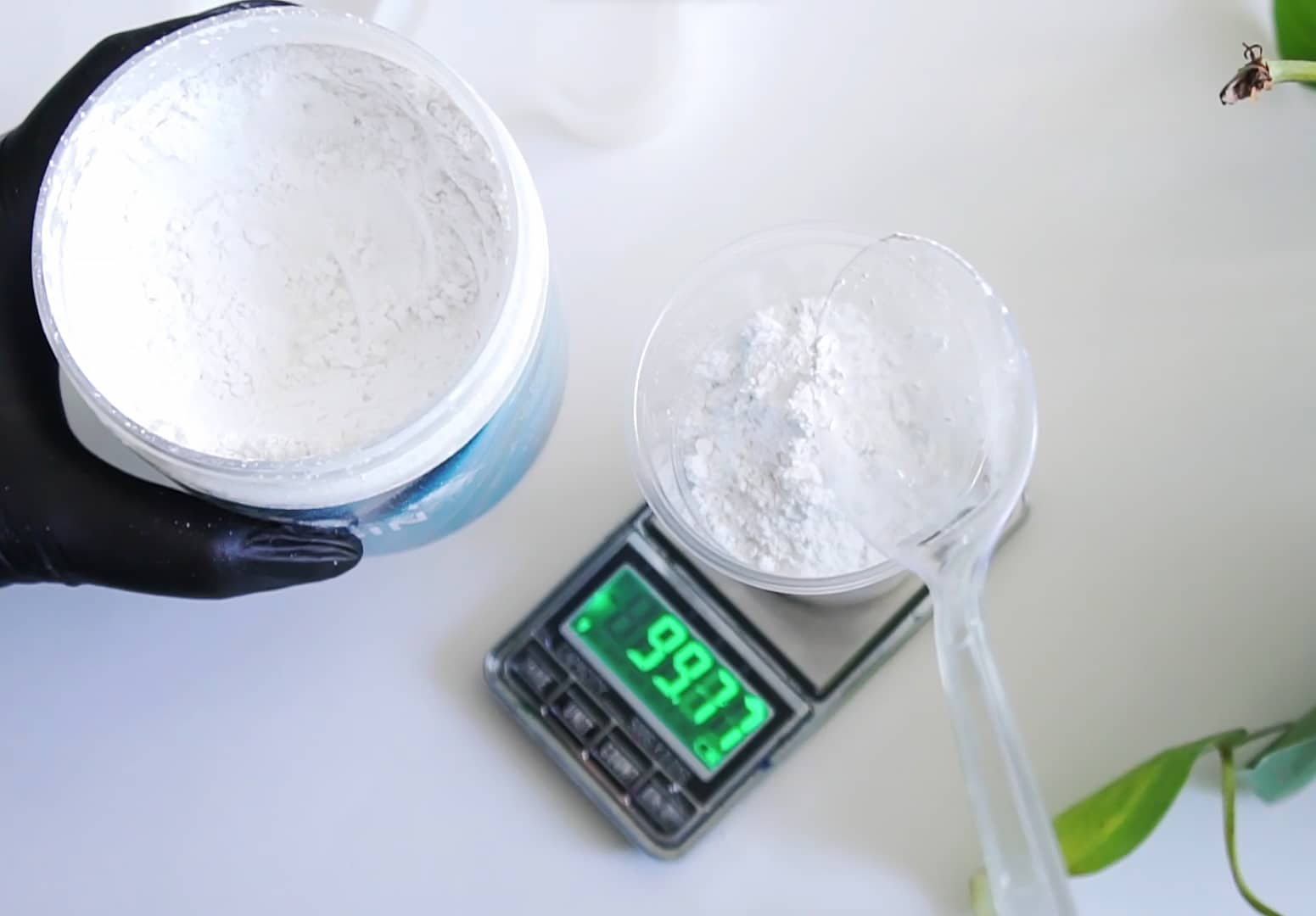
Before installing your chosen food-grade resin, it’s crucial to pre-rinse it thoroughly with clean water. This removes fine particles and manufacturing residues. Gently agitate the resin in water until the rinse water runs clear. If the resin requires activation (refer to manufacturer instructions; most water softening resins are ready-to-use), complete this process before moving ahead.
Neglecting this step may introduce unwanted tastes or particles into your drinking water system, undermining the effectiveness of the treatment.
Step 3: Install the Resin Correctly in Your Filter or Softener
Transfer the activated resin into the appropriate filter or water softener housing. Follow the equipment manufacturer’s instructions for loading quantities, sealing, and avoiding channel formation (uneven resin bedding can lead to reduced efficiency). Use clean plumbing tools, and wear gloves and goggles throughout to maintain hygiene and safety.
After installation, flush the whole filter system with clean water for several minutes to remove any lingering fines or air pockets. Water may initially appear cloudy—continue flushing until it clears.
Step 4: Regenerate the Resin as Needed
Over time, ion exchange resins reach their capacity and must be regenerated (usually with a salt solution or as directed by your specific resin). Monitor the system’s performance—if you notice hardness returning or water flow decreasing, it is time for regeneration. Follow all regeneration protocols carefully to maintain both resin effectiveness and water safety.
Regular maintenance ensures your resin continues removing calcium and magnesium ions efficiently and extends the system’s lifespan.
Tips, Common Mistakes, and Troubleshooting
- Never use casting or decorative resins for water treatment as they are not safe for drinking water applications.
- Do not skip the initial rinsing step, as it is vital for removing dust and residues.
- Replace resin according to manufacturer’s recommendations or if water softness declines significantly.
- Check for leaks after installation and periodically inspect seals or gaskets.
- Monitor water flow and taste regularly to catch potential issues early.
Common Resin Pitfalls to Avoid
Incorrect resin selection is the most frequent mistake—decorative, casting, or epoxy resins like “NatuResin” and “Icrystal” are not appropriate for treating drinking water. Use only certified ion exchange resins for water treatment.
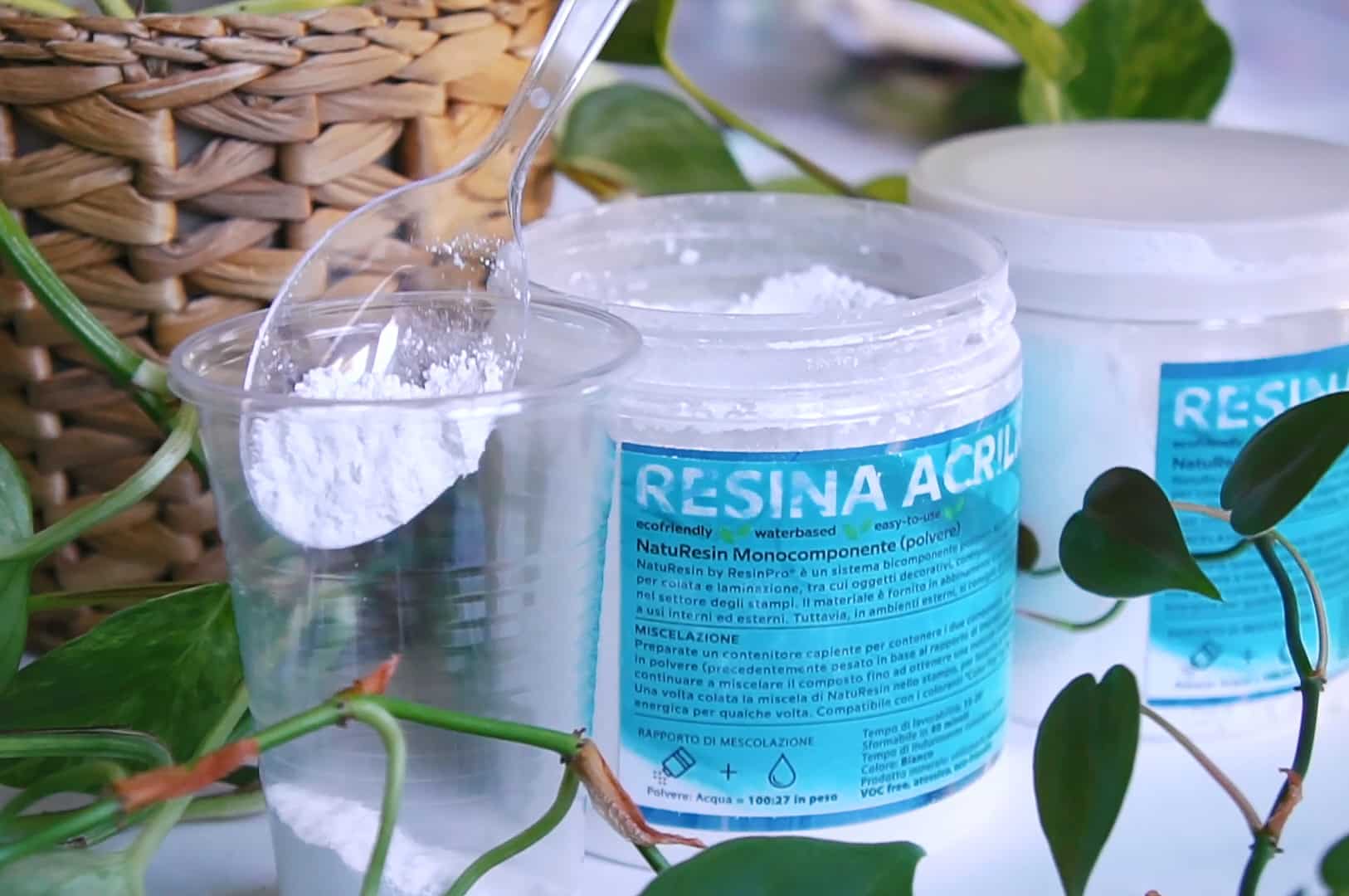
- “NatuResin” – Mineral Resin & Water System for Creative Casting and CraftsPrice range: £17.85 through £99.85“NatuResin” is a water-activated mineral resin suitable for creative casting and crafts, designed as a safe, eco-friendly option.
- Strong Technical Degreaser for Resin Projects – 100% Natural FormulaOriginal price was: £10.00.£8.85Current price is: £8.85.Strong Technical Degreaser is a natural, gentle cleaner designed for epoxy resin projects and multiple surfaces.
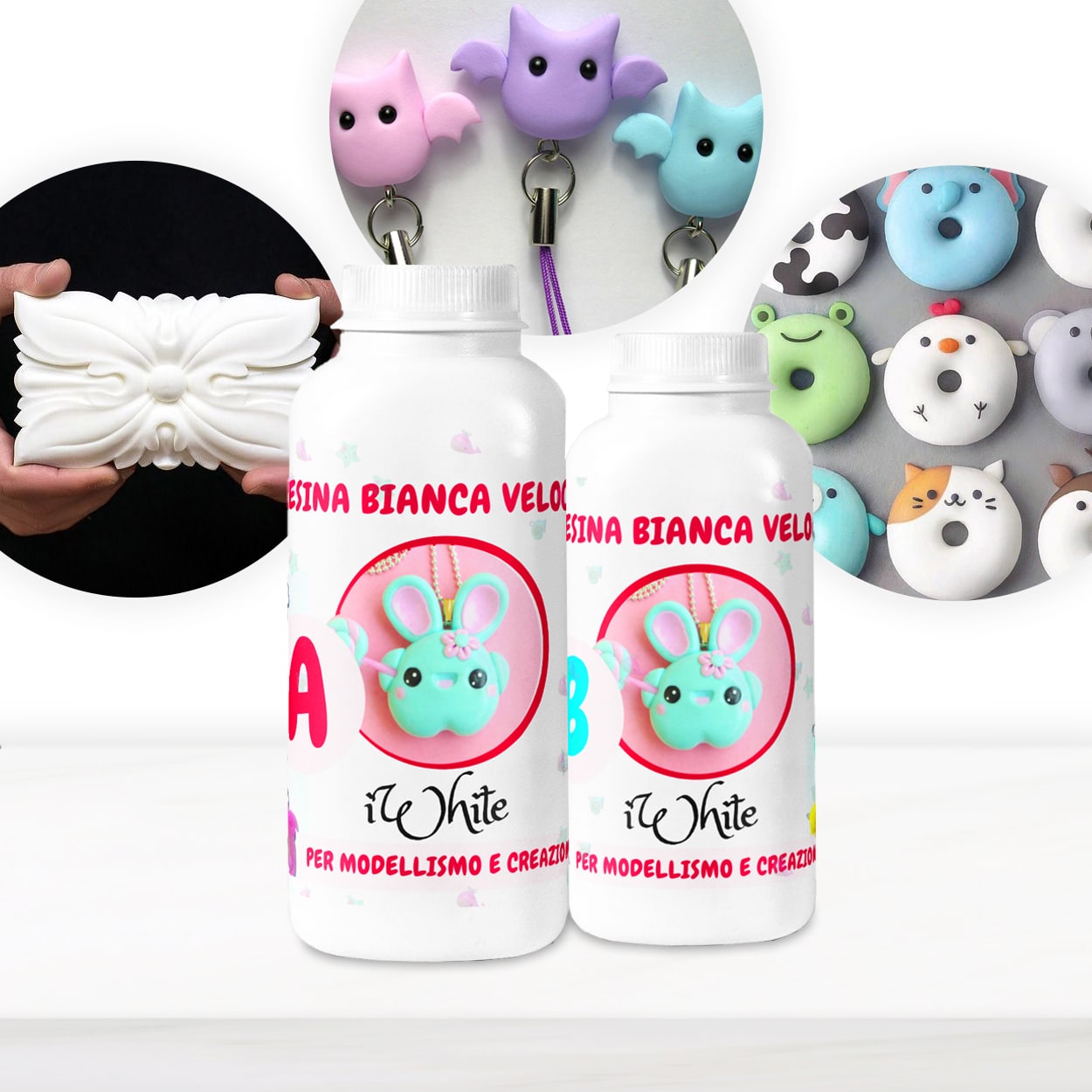 “IWhite” – Polyurethane Casting Resin – White, Fast-Curing Two-Part SystemPrice range: £22.85 through £34.85IWHITE White Polyurethane Casting Resin is a fast-curing two-part system suitable for detailed moulding and rapid prototyping.
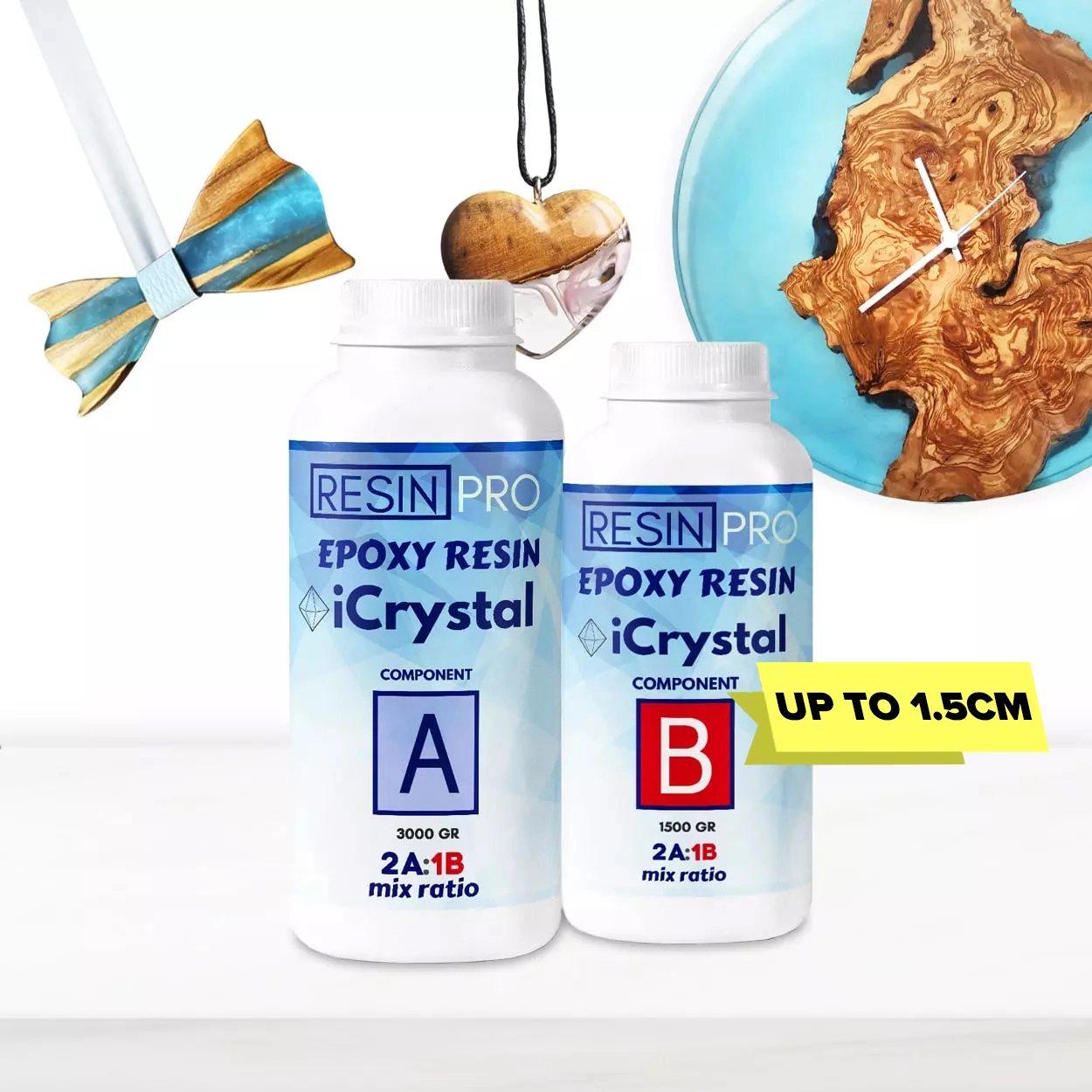 "Icrystal" – Clear Epoxy Resin – Odourless Formula – Up to 1.5cmPrice range: £11.65 through £954.85"Icrystal" is a clear, odourless epoxy resin designed for transparent finishes with up to 1.5cm layer per application.
Frequently Asked Questions
Which resin type is suitable for decalcifying drinking water?
Only food-grade ion exchange resins specifically made for water treatment should be used for decalcifying drinking water.
Can I use craft or casting resins to treat drinking water?
No, craft or casting resins are not designed for water treatment and may release harmful substances into water.
How do I prepare ion exchange resin before use?
You should thoroughly rinse the resin with clean water to remove fine particles before installing it in your system.
How often should water softening resin be replaced or regenerated?
Regenerate the resin as specified by the manufacturer and replace it if water softness deteriorates significantly.
What are signs resin is no longer effective?
A return of scale build-up or noticeable water hardness indicates resin exhaustion and need for regeneration or replacement.