 Free shipping on orders over £29,85
  Shipping Tracking!


 Google
 Facebook
How do I install a resin shower tray?
Installing a resin shower tray creates a modern, durable, and sleek focal point for any bathroom. This detailed guide covers every stage of installation, from preparation to finishing, tailored for those interested in tackling the project themselves and achieving a watertight, long-lasting result.
Step-by-step guide to flawless resin tray installation


What You’ll Need
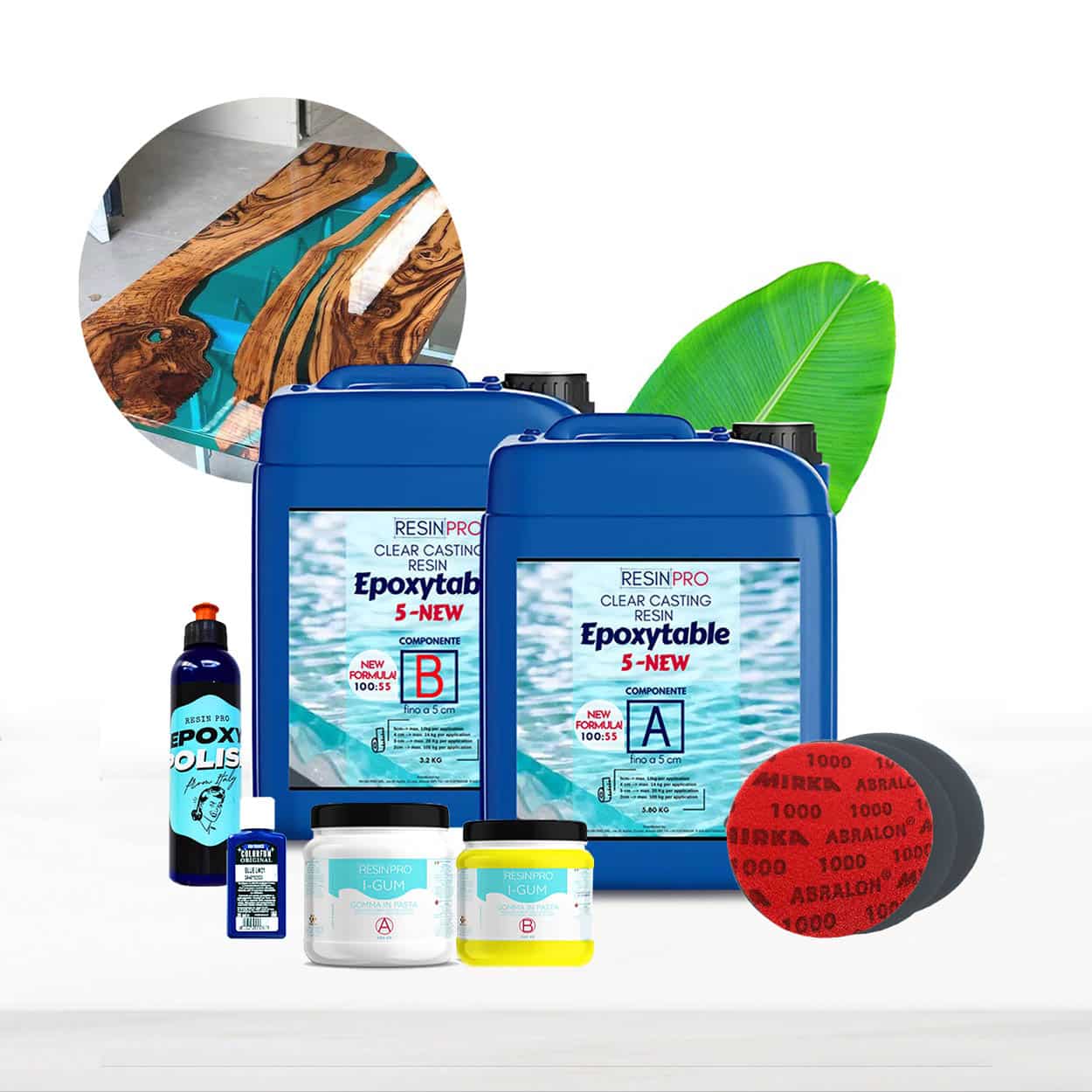
- “EpoxyTable 5-Five” – Deep Pour Epoxy Resin for Tables and Large Projects – Up to 5cm – Deep casting epoxy ideal for thick, robust shower trays
- “River-Table” – Complete Kit for Creating Your First Epoxy Resin Table – Useful for smaller-scale projects and includes essential casting accessories
- “Tray” – Complete Resin Tray Kit with Silicone Mould and Colour Dyes – Practice handling resin and using moulds prior to a full installation
- Spirit level, mixing containers, stirrers, silicone sealant, release agent, safety gloves, measuring tape

Essential Tools and Safe Workspace
Gather all your materials in advance and prepare a dust-free, level workspace. Ensure good ventilation when working with epoxy resin; always wear safety gloves and eye protection to prevent skin contact and irritation.

Step 1: Prepare the Shower Base and Surroundings
Ensure a completely level surface by checking your subfloor or shower base with a spirit level. Clear any debris, dust, or remnants from previous installations. If needed, use a moisture barrier to prevent damp seeping up into the tray, and double-check the position of your waste outlet. Accurate preparation avoids future unevenness or leaks.
Mark the tray position with masking tape, measuring both the dimensions and surrounding wall heights for an accurate, professional finish. Allow adequate clearance for tray thickness and plumbing connections.
Step 2: Build or Place the Mould/Formwork
Measure and plan the tray area. If you are working from scratch, construct a moisture-resistant mould using melamine-coated MDF or plastic formwork. Ensure the internal dimensions match your design, including the slope for water run-off toward the waste. The formwork or mould must be sealed tightly at all seams using silicone sealant to prevent resin leaks.
Apply a release agent along the interior of the form to ensure the finished tray separates easily once cured. If you are new to formwork, consider practising techniques using the “Tray” – Complete Resin Tray Kit with Silicone Mould and Colour Dyes.
Step 3: Mix and Pour the Epoxy Resin
Use high-quality deep pour epoxy resin designed for thick, robust castings such as the “EpoxyTable 5-Five” – Deep Pour Epoxy Resin for Tables and Large Projects – Up to 5cm. Carefully follow the manufacturer’s ratio for resin and hardener, mixing slowly but thoroughly. Avoid introducing excessive air bubbles.
If pigment or dyes are desired for a custom look, add them during mixing according to product guidelines. Slowly pour the mixture into the mould, starting at the lowest point and allowing resin to flow upwards, helping to eliminate trapped air. Work in layers if the thickness exceeds the recommended limit.

Step 4: Curing and Demoulding
Allow each layer to fully cure before adding another if pouring in stages. Curing times can vary depending on room temperature and resin depth, but patience ensures optimal hardness and clarity.
Once cured according to the product specification, carefully remove the formwork or mould. Trim sharp edges and sand the sides for a smooth, comfortable finish. Always wear protective gloves and mask during sanding or handling uncured resin.
Step 5: Final Installation and Sealing
Dry-fit the finished tray in its final position and confirm that all waste fittings align correctly. Apply a high-quality sanitary silicone sealant around the tray perimeter to achieve a watertight installation.
Seal the edges thoroughly to prevent leaks, pressing the tray firmly into place. Allow each bead of sealant to cure fully before use. The tray can be finished with a suitable polish or cleaning regime for additional shine and protection.
Tips and Common Mistakes
Work in a well-ventilated area and wear gloves for every stage, especially when handling uncured resin. Do not rush; allowing sufficient curing time is crucial. Check that your chosen resin is suitable for deep pool use and for wet environments. Avoid pouring thicker layers than specified, as this can lead to overheating or incomplete curing. Practising with a smaller-scale kit or tray project can build confidence before attempting the full shower tray installation.
Perfect Your Technique
Clean tools immediately after use to avoid hardened resin residue. Test resin flow and pigment mixing on a small sample to gain confidence before application. Allow the tray to fully cure before exposing it to water for longevity.
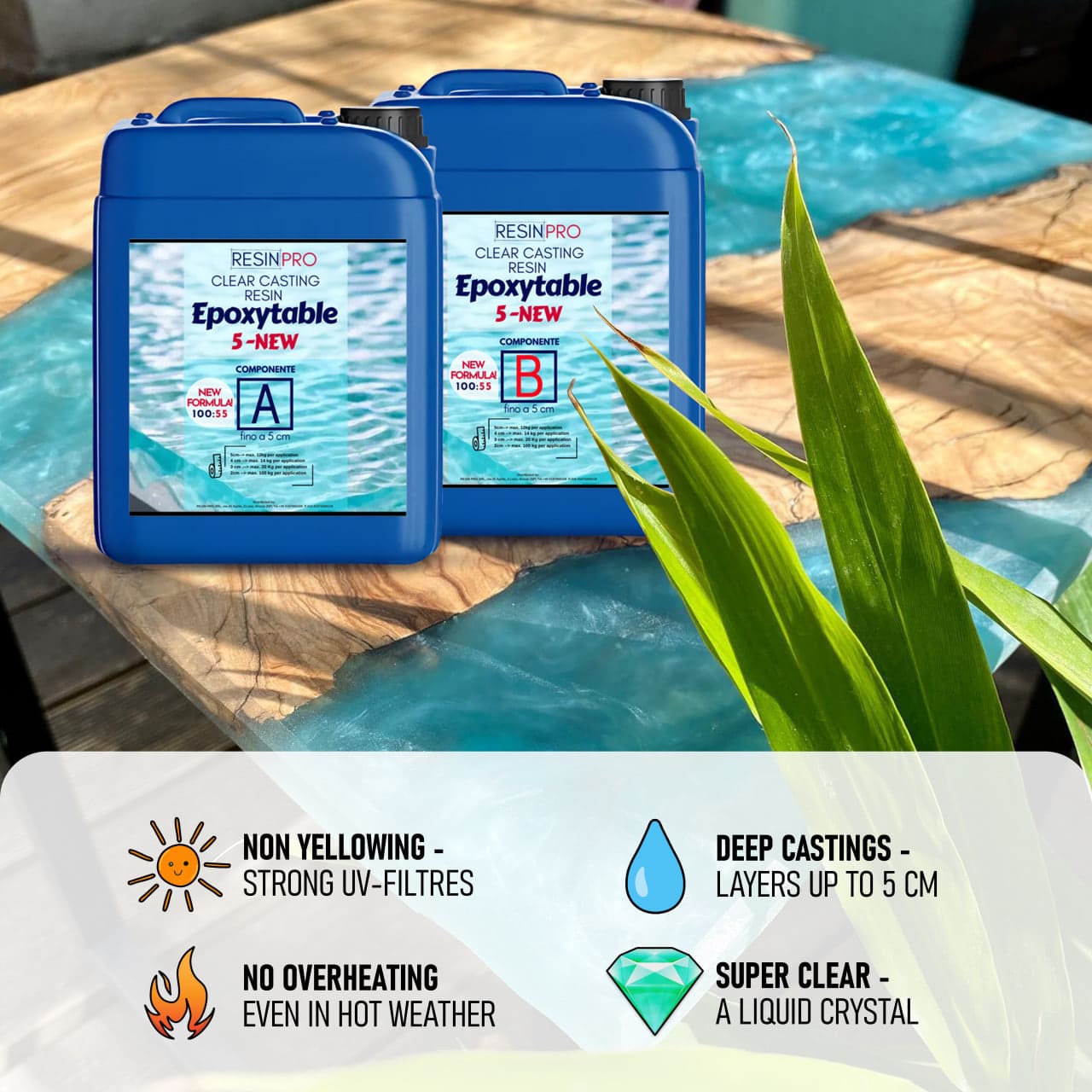
- "EpoxyTable 5-Five" – Deep Pour Epoxy Resin for Tables and Large Projects – Up to 5cmPrice range: £16.85 through £1,099.85"EpoxyTable 5-Five" resin is suitable for deep pouring projects up to 5cm thick as used in table and large project applications.
- "River-Table" – Complete Kit for Creating Your First Epoxy Resin TablePrice range: £188.85 through £444.85"River-Table" kit includes everything needed for epoxy resin table projects within the theme of installing a resin shower tray.
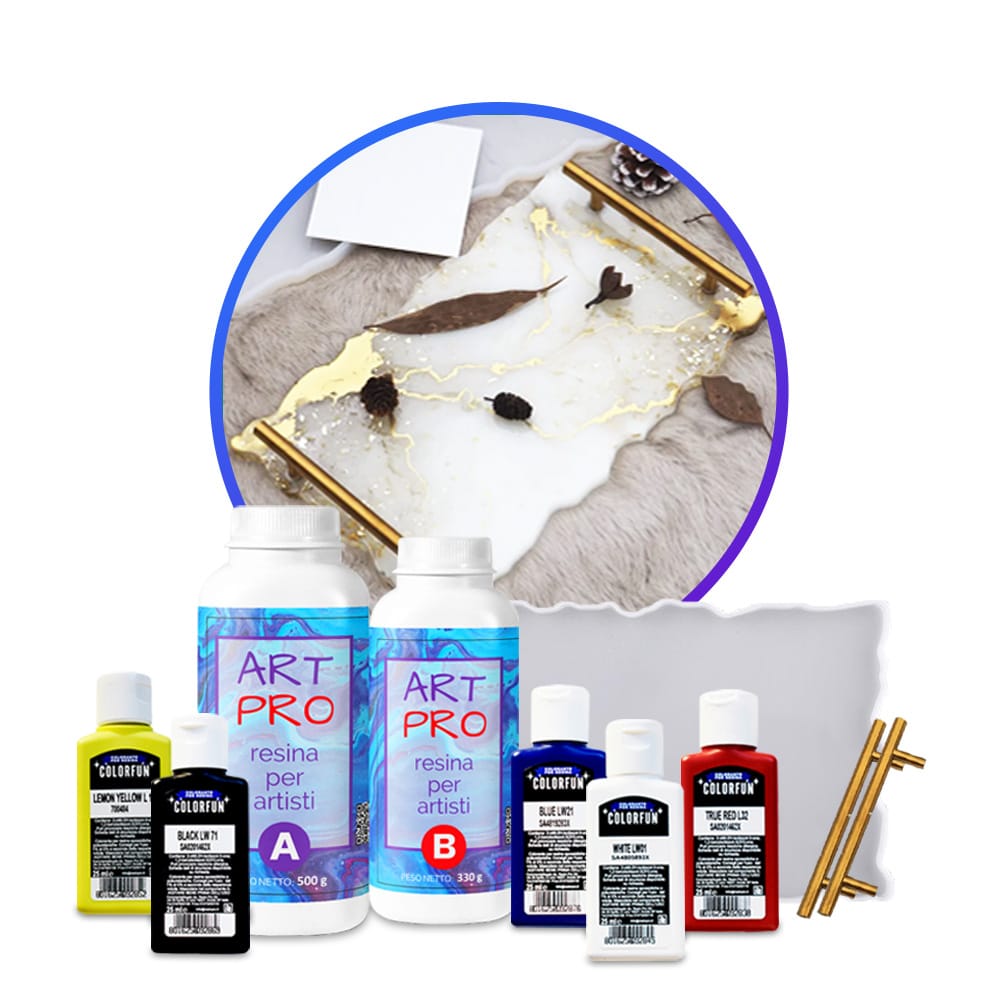 "Tray" – Complete Resin Tray Kit with Silicone Mould and Colour Dyes£54.85"Tray" kit includes resin, handles, mould and pigments for creative resin tray designs under the theme How do I install a resin shower tray?
Frequently Asked Questions
Can any epoxy resin be used for shower trays?
Not all epoxy resins are formulated for thick, robust pours. Use a deep pour epoxy designed for structural and wet area use.
How thick should my resin shower tray be?
Shower trays typically range between 2–5cm thick for durability and support. Follow the resin's maximum recommended pour depth.
How do I prevent leaks under the resin tray?
Seal all tray edges with sanitary silicone and ensure the subfloor is level. Proper sealing and fitment are essential to avoid water ingress.
Can I add colour to my resin shower tray?
Yes, you can add compatible pigments or dyes during resin mixing for a unique, custom appearance.
How long should I wait before using the resin shower tray?
Wait until the tray is fully cured and the silicone sealant has set. This often takes 48–72 hours, depending on the product and room conditions.
What if there are bubbles in my resin shower tray?
Pop bubbles with a heat gun during pouring or sand the surface after curing if bubbles remain. Mix resin thoroughly and pour slowly to minimise bubbles.
Do I need special skills for resin shower trays?
Careful planning and patience are more important than expert skills. Practising on a small scale first is very helpful.