 Free shipping on orders over £29,85
  Shipping Tracking!


 Google
 Facebook
← Back to How do you thin RC epoxy resin?
Many hobbyists consider thinning epoxy resin with solvents for RC projects, hoping to improve flow or coverage. However, this approach comes with risks that can affect your results.
The Risks of Thinning Epoxy Resin with Solvents
Adding generic solvents to epoxy resin might seem like a quick fix for easier spreading or faster application. Unfortunately, most standard resins are specifically formulated and should not be thinned with unapproved solvents. Using them can interfere with the curing process, leading to issues such as incomplete hardening, reduced strength, or a cloudy finish. These effects are especially unwelcome in RC modelling, where clarity and durability are crucial.
Best Practices for RC Epoxy Application
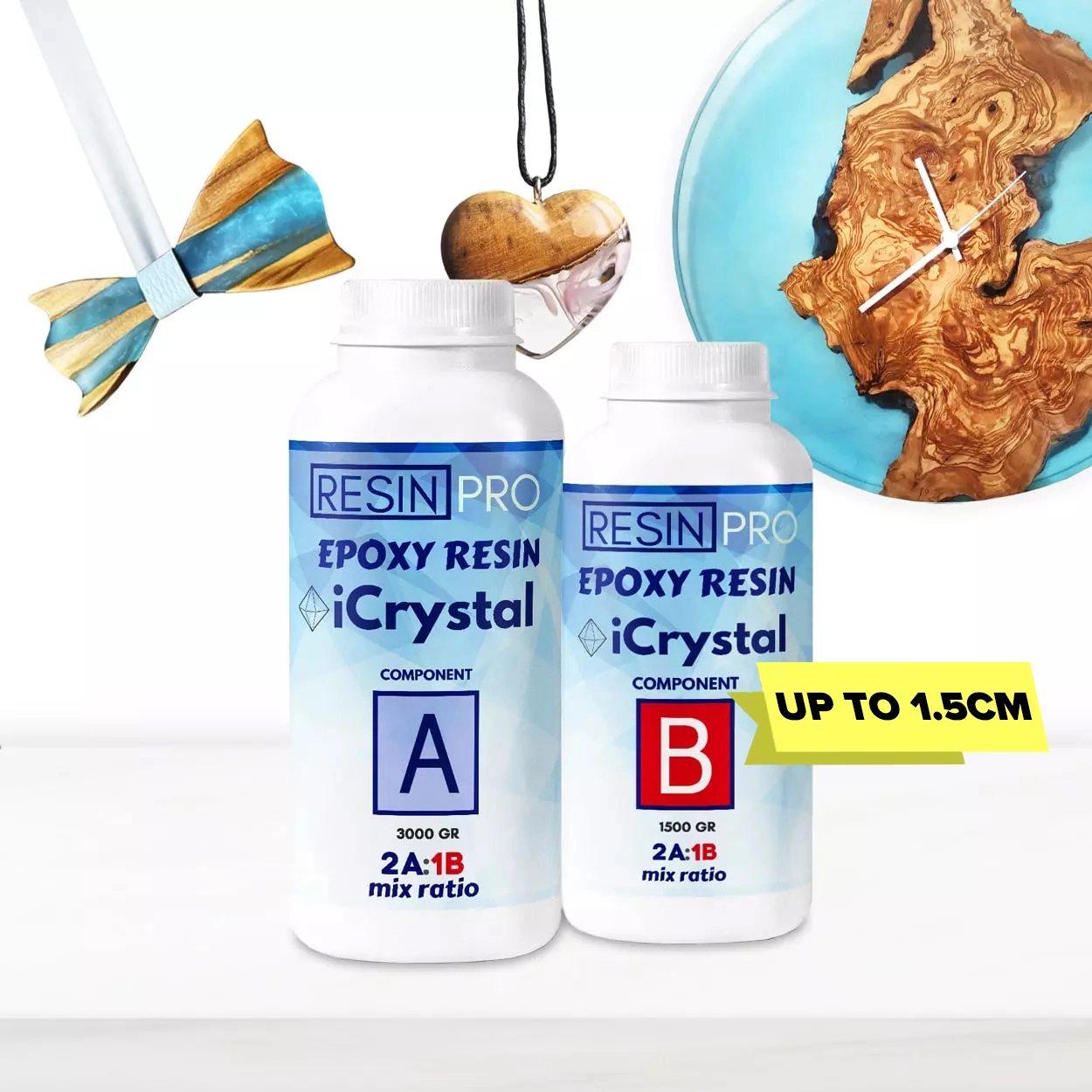
For the best results in RC modelling and similar fine detail projects, choose a resin that is designed to have the right flow and consistency without additional thinners. For example, the “Icrystal” Clear Epoxy Resin offers an easy 2:1 mixing ratio, excellent transparency, and odour-free application, making it suitable for coatings and detail work without compromise. Always prepare with careful measurement and mixing as per manufacturer instructions to preserve clarity and strength.
When This Matters
- If your project needs invisible, durable barriers—like RC canopies or fine crafts—avoiding solvent thinning is key to achieving clarity and longevity.
- Solvent-free approaches reduce unwanted odours indoors and make the process more comfortable and reliable for both beginners and experienced modellers.
Related products
Related guides
Choosing the right unthinned epoxy solution not only protects your RC project’s finish but also aligns with best practices in resin work. For further advice, see our main guide on thinning RC epoxy resin.