 Free shipping on orders over £29,85
  Shipping Tracking!


 Google
 Facebook
← Back to How to distinguish polyester resin from epoxy resin?
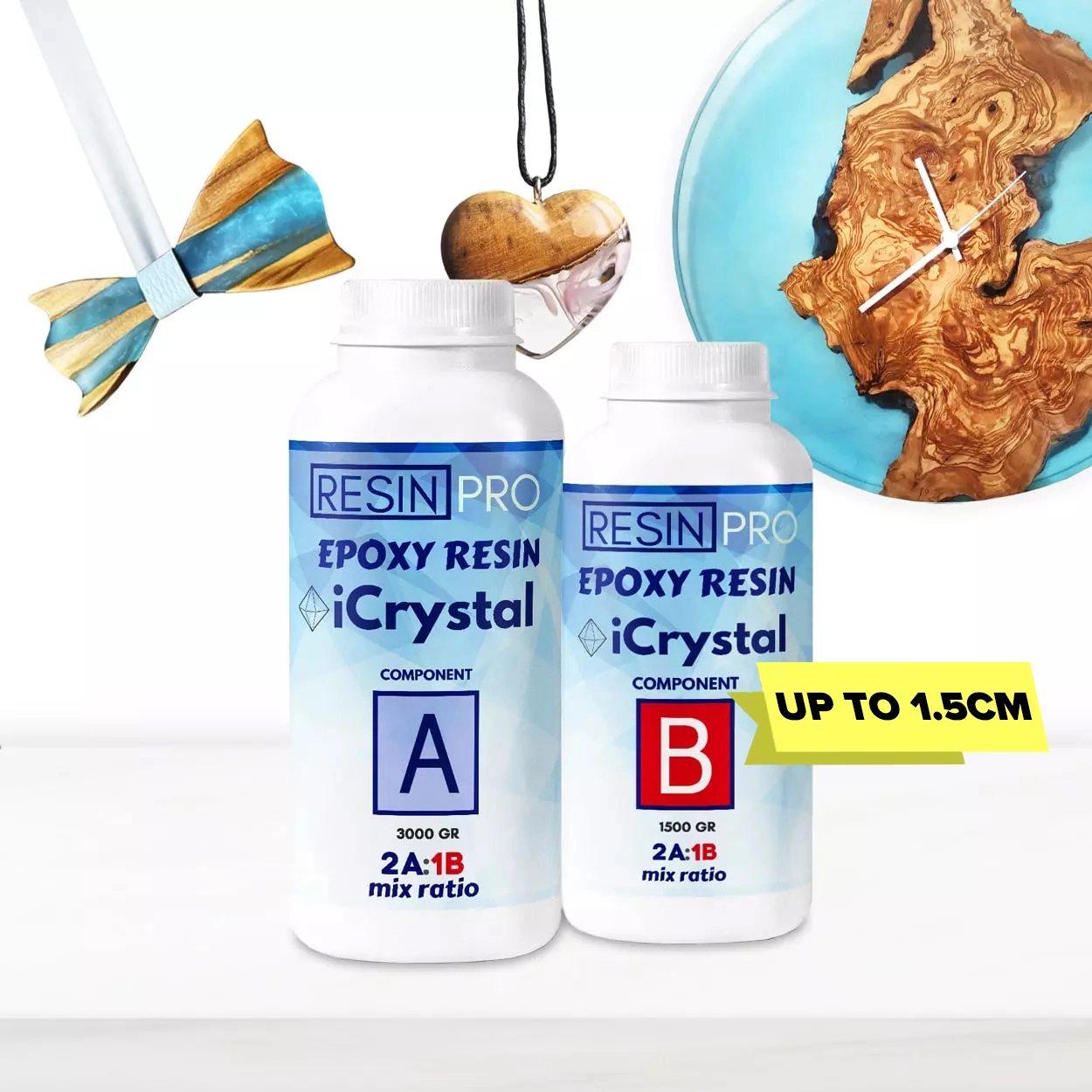
Getting the right mixing ratio is vital for epoxy resin to cure properly and deliver a strong, clear finish. Understanding this simple but crucial step can make the difference between a perfect project and disappointing results.
Common Epoxy Resin Mixing Ratios
Most epoxy resins used in creative, woodworking, or casting projects use a two-part system: a resin (Part A) and a hardener (Part B). The standard mixing ratio for popular epoxies – such as iCrystal or Trasparente – is typically 2:1 by volume or weight (2 parts resin to 1 part hardener). Always refer to your product’s instructions, as precise ratios matter for curing consistency and strength.
Measuring and Mixing Tips
Use accurate measuring cups or digital scales to separate your resin and hardener before combining. Mix thoroughly but gently—scrape the sides and bottom of your container to ensure all material is evenly blended. If ratios are off, or mixing is incomplete, curing issues like soft spots or sticky surfaces can occur. Maintaining clean, dry tools helps avoid contamination, and room temperature conditions are ideal during preparation.
When the Mixing Ratio Really Matters
- For artistic castings where clarity and glossiness are key, such as jewellery or decorative inlays, incorrect ratios compromise appearance and durability.
- In larger projects—like tables or river pours—the risk of incomplete curing or excessive heat increases if ratios are altered.
- Resins with special properties (like extra deep-pour versions) may specify distinctive ratios: for example, EpoxyTable 5-Five for deeper pours still relies on precise measurement for reliable results.
Related products
Related guides
Precision in mixing ratios sets epoxy resin apart from alternatives like polyester resin, ensuring successful results whatever your project. For further guidance on choosing and distinguishing different resins, explore our main epoxy vs. polyester resin guide.