 Free shipping on orders over £29,85
  Shipping Tracking!


 Google
 Facebook
How to distinguish polyester resin from epoxy resin?
Understanding the distinction between polyester and epoxy resin is essential for successful creative, DIY, and professional projects. Whether you’re selecting a resin for casting, coatings, or large-scale furniture, identifying each type’s unique characteristics will help ensure the perfect finish and long-lasting results. This page guides you through practical ways to tell polyester resin from epoxy resin, what signs to look for, and the best uses for each, with direct examples from leading epoxy options.
Spot the differences for a perfect resin project every time

Key Differences: Polyester Resin vs Epoxy Resin
The main visual and functional differences between polyester and epoxy resins become evident in clarity, odour, UV resistance, layer thickness, and project flexibility. Epoxy resins, such as those from the ResinPro range, are recognised for their ultra-clear, glass-like finish, low odour, and substantial UV resistance, which means they stay bright and less yellow over time. In contrast, polyester resin often has a stronger odour, can yellow or degrade more quickly, and is generally more brittle and less adhesive on varied surfaces. When choosing, it’s vital to assess the thickness of your pour, the desired durability, and the sensitivity to environmental factors, as polyesters suit moulding and marine repairs, while epoxies excel in woodworking, casting, and artistic tasks.

Recognising True Epoxy Resin in Your Projects
Epoxy resins can be quickly identified by their glass-like brilliance, resistance to scratching, and a nearly odourless mixing process. In contrast, polyester resin mixtures will emit a strong, unmistakable chemical smell and may cure with minor shrinkage or a yellow tint. For detailed casting, furniture, or art, always check that the resin stays transparent after 24 hours — this is a key sign of high-quality epoxy.
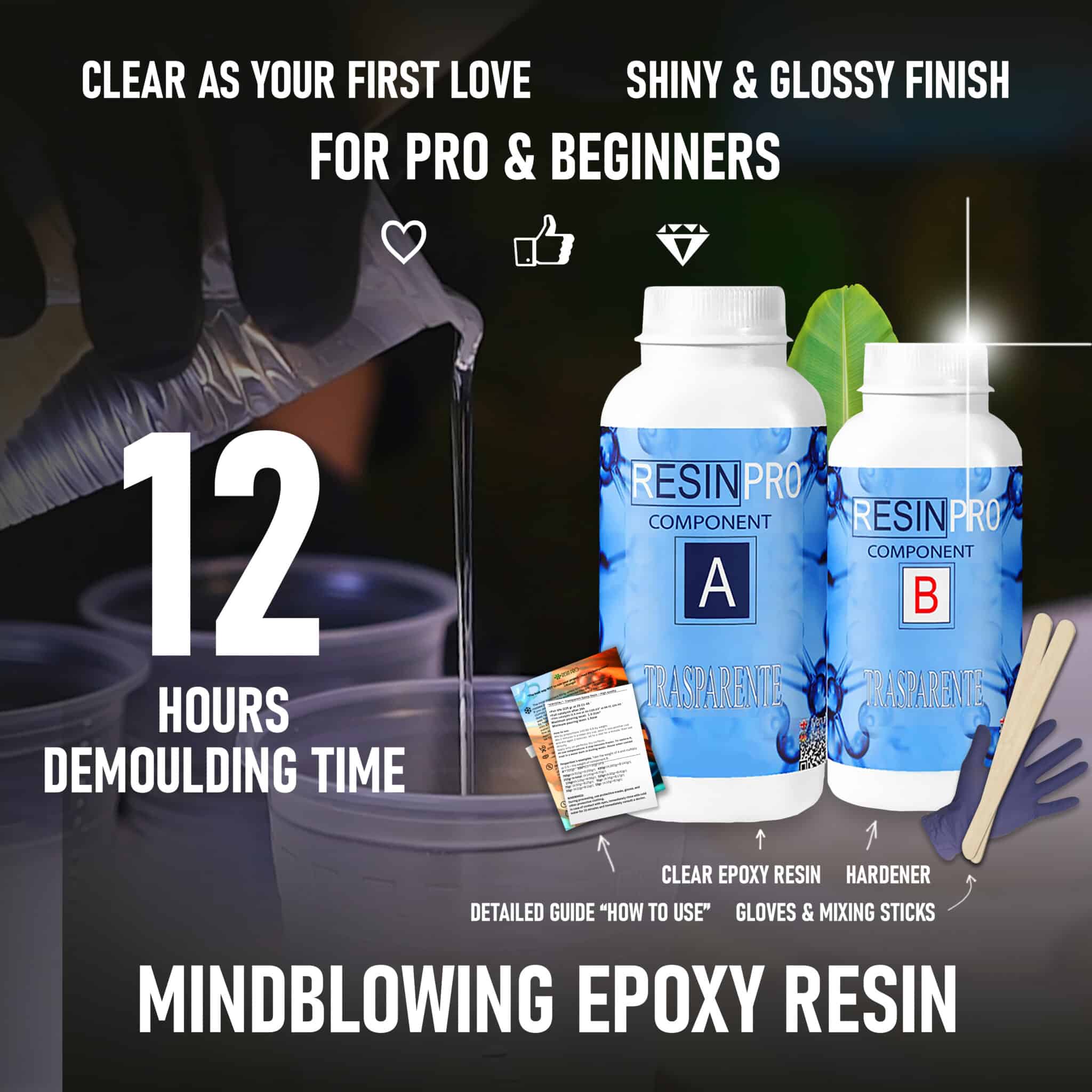
“Trasparente” – Multipurpose Clear Epoxy Resin for Casting – Up to 2cm
If you’re searching for a crystal-clear, multipurpose resin that is easy to work with and highly resistant to scratches, “Trasparente” – Multipurpose Clear Epoxy Resin for Casting – Up to 2cm stands as a prime example of what sets epoxy apart from polyester resin. This formulation boasts an Ultra-clear formula that gives a true glass-like finish—ideal for detailed castings, embedding, and restoration projects. The Integrated UV filter ensures your artwork remains non-yellowing for years, unlike polyesters which may degrade with sun exposure. Best suited for layers up to 2cm, and perfect for applications where clarity and long-term resilience matter.
“Icrystal” – Clear Epoxy Resin – Odourless Formula – Up to 1.5cm
Another distinct indicator of an epoxy over a polyester is the lack of pungent odour and ease of indoor use. “Icrystal” – Clear Epoxy Resin – Odourless Formula – Up to 1.5cm delivers both Perfect transparency and Odourless working conditions, making it a practical option where ventilation is limited. The 2:1 mixing ratio is straightforward for all users, and its High scratch resistance and UV filter make it a top choice for clear surface coatings, art, and fine jewellery—tasks where polyester would not match clarity or safety for home use.
“EpoxyTable 5-Five” – Deep Pour Epoxy Resin for Tables and Large Projects – Up to 5cm
Larger, thicker projects reveal further differences. Polyester resin isn’t typically suitable for deep, clear pours due to risk of overheating and eventual brittleness. In comparison, “EpoxyTable 5-Five” – Deep Pour Epoxy Resin for Tables and Large Projects – Up to 5cm is engineered with a Low exothermic reaction for single pours up to 5cm, ensuring a bubble-free, strong finish. Its durability, long working time, and trusted scratchproof surface cement its reputation among furniture makers and river table artists, demonstrating clear advantages of epoxy formulation.
“Epoxytable 10-Ten” – Deep Pour Epoxy Resin for Tables, Up to 10cm Casting
For ambitious castings and river tables requiring exceptional depth, “Epoxytable 10-Ten” – Deep Pour Epoxy Resin for Tables, Up to 10cm Casting showcases the engineering of modern epoxies. Capable of super-deep pouring up to 10cm, it features industry-leading UV resistance, extraordinary clarity, and impressive heat stability. These functional differences—from lower viscosity to a longer working window—are simply unmatched by polyester resins, making this epoxy type the professional’s go-to for robust, clear, and thick casting projects.
Practical Tips to Identify and Choose Between Polyester and Epoxy Resin
When handling unknown resin, pay close attention to visible characteristics—a strong, sharp odour often indicates polyester. Epoxy resins tend to have a milder smell and cure to a touch-dry, less brittle surface. For tasks demanding clarity, resilience, or safe indoor application, epoxy is almost always the superior choice. Consider the specific requirements of your project: if planning deep casting, look for formulations engineered for depth (as with the EpoxyTable series); for art or light furniture use, options like “Trasparente” or “Icrystal” offer easy mixing and outstanding finishes. Always read guidance on layer thickness and UV resistance, as these are defining attributes of epoxy resins.
Expert Advice: When to Use Epoxy and Polyester Resin
If your project values clarity, UV stability, and endurance — especially for table pours, creative composites, and innovative home décor — epoxy resin delivers lasting beauty and strength. Reserve polyester resin for quick repairs or low-cost moulding where clarity and strength are less critical. Browse our multipurpose epoxy resin range for guaranteed, specialist results.

- "Trasparente" – Multipurpose Clear Epoxy Resin for Casting – Up to 2cmPrice range: £8.45 through £948.85Clear epoxy resin suitable for casting layers up to 2cm, delivering a glossy, self-levelling finish for artistic and woodworking projects.
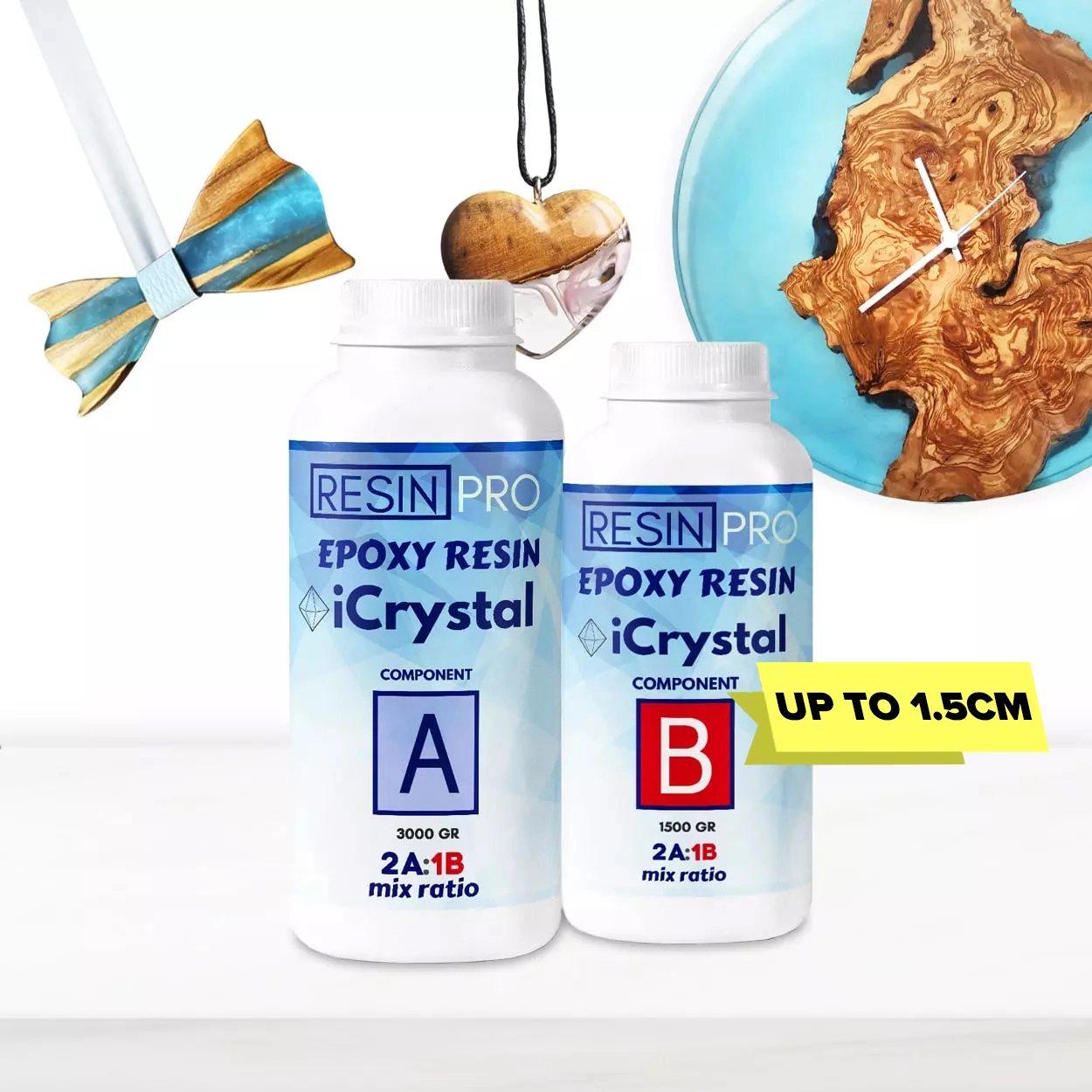 "Icrystal" – Clear Epoxy Resin – Odourless Formula – Up to 1.5cmPrice range: £11.65 through £954.85iCrystal is a clear, odourless epoxy resin suitable for art, woodworking and surface coatings within the theme of distinguishing resin types.
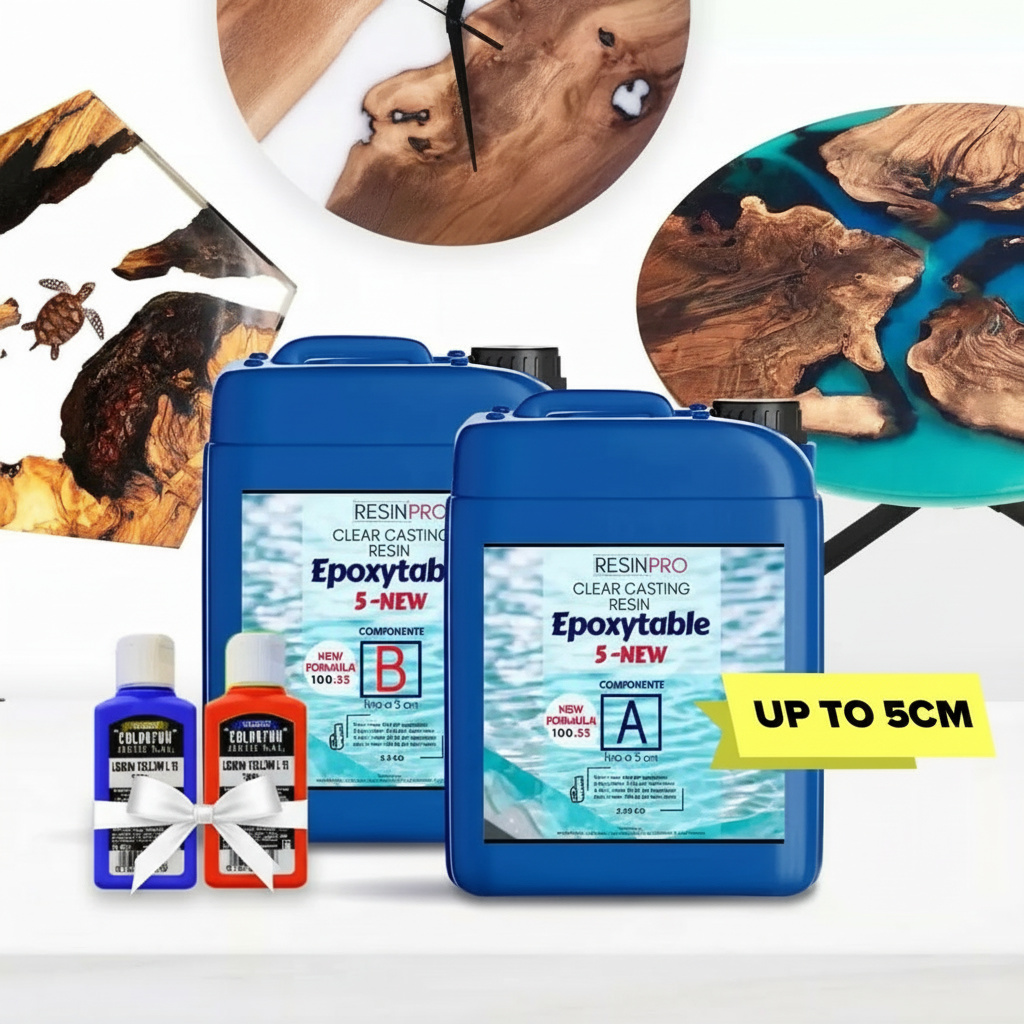 "EpoxyTable 5-Five" – Deep Pour Epoxy Resin for Tables and Large Projects – Up to 5cmPrice range: £16.85 through £1,099.85"EpoxyTable 5-Five" is designed for deep pouring projects such as tables and large items. It provides bubble-free, scratch resistant surfaces.
 “Epoxytable 10-Ten” – Deep Pour Epoxy Resin for Tables, Up to 10cm CastingPrice range: £33.85 through £334.85“Epoxytable 10-Ten” is an epoxy resin designed for deep table pours, suitable for clear castings up to 10cm without rapid curing.
Frequently Asked Questions
Which resin is suitable for memorial jewellery with ashes within 2cm thickness?
For memorial jewellery under 2cm, epoxy resin like 'Trasparente' is recommended due to its clarity and secure encasement.
What resin should be used for resin projects with sizes over 100cm side and thickness over 5cm?
For large or thick castings over 5cm, use deep pour epoxies such as EpoxyTable-Ten for stability and clarity.
What are causes of overheating when pouring 160g of 'Trasparente' resin in a cup?
Exceeding recommended thickness, high ambient temperatures, or using heat sources can cause epoxy to overheat and cure too quickly.
Which resin is better for embedding printed messages on sandstone, epoxy or polyurethane?
Epoxy resin is preferred for embedding due to its transparency and superior adhesion to stone compared to polyurethane.
What are typical uses for epoxy resin compared to polyester resin?
Epoxy is most used in art, woodwork, and clear coatings; polyester suits marine repairs and basic mouldings.
How does the odour differ between epoxy and polyester resin?
Epoxy resin is virtually odourless, ideal indoors, while polyester resin often has a pungent, chemical smell.
What is the typical mixing ratio for epoxy resin?
Most epoxies, like iCrystal, mix in a 2:1 ratio, different from polyester formulas.
Which resin is best for projects with thickness between 2 and 5cm?
EpoxyTable 5-Five is designed for casting and tables with 2-5cm thickness for clear and stable pours.