 Free shipping on orders over £29,85
  Shipping Tracking!


 Google
 Facebook
← Back to how to make a resin doll
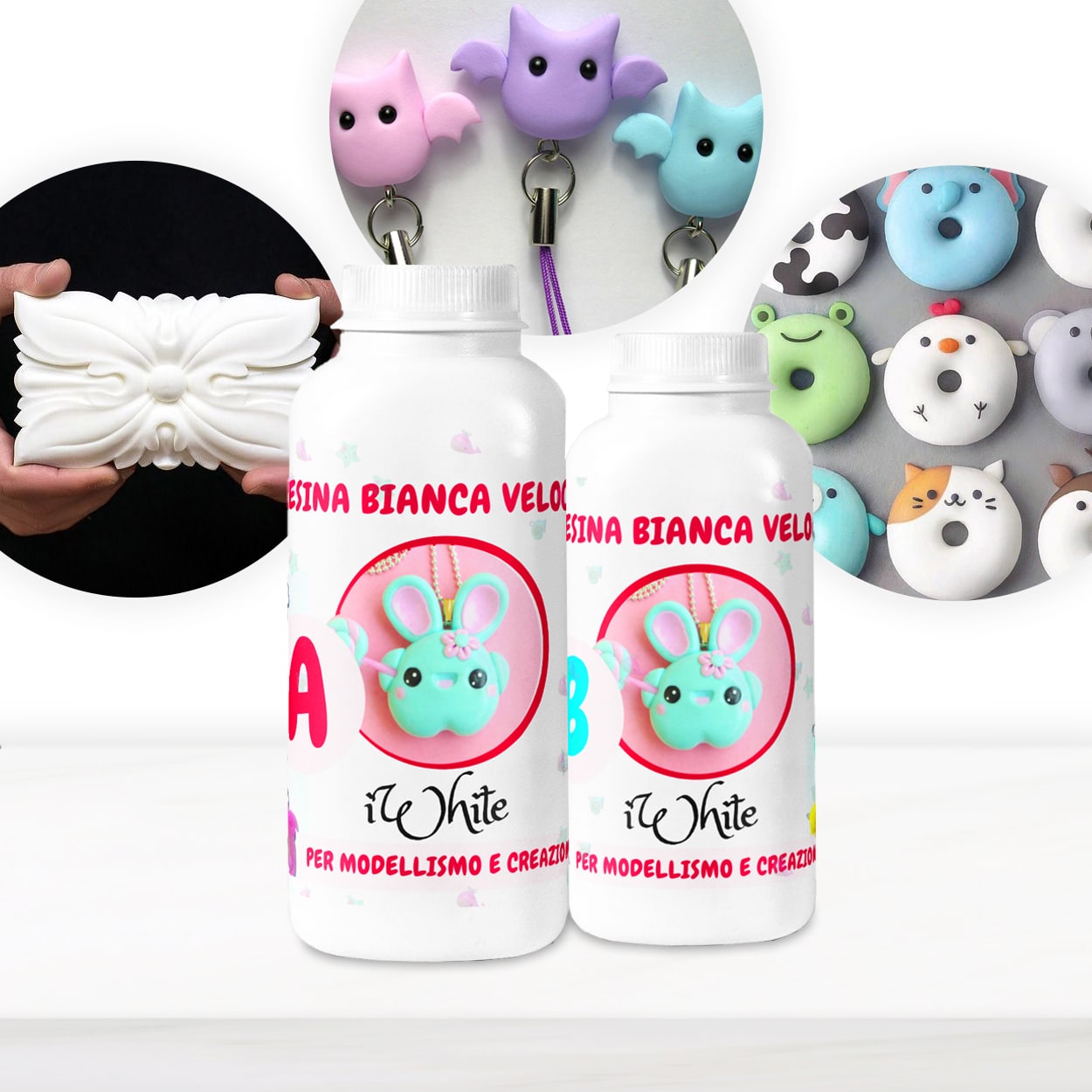
Careful pouring is essential in resin doll making, helping to reduce trapped air, ensuring even coverage, and achieving sharp detail in each moulded piece. With a few simple techniques, you can greatly improve your project’s finish.
Why Slow and Steady Pouring Is Important
Pouring resin too quickly often introduces bubbles, leading to cloudy or uneven surfaces. By pouring in a slow, controlled stream, the resin smoothly fills intricate sections of your doll moulds, preventing unwanted gaps or air pockets. This is particularly vital when working with highly fluid resins such as IWHITE Polyurethane Casting Resin, which is specially formulated for capturing fine detail in small forms.
Practical Tips for Bubble-Free Results
- Mix your resin components thoroughly but gently to minimise air entrapment.
- Start pouring from one corner of the mould, allowing resin to naturally flow and settle across shapes.
- If using a transparent epoxy like Icrystal, gently tap the mould or use a cocktail stick to release any surface bubbles.
- For best results, pour in thinner layers if the mould is deep, letting each layer level out before adding the next.
When This Matters Most
Careful, slow pouring becomes especially crucial for small or intricate moulds, such as miniature doll faces or hands. It’s also key in projects aiming for crystal-clear transparency with products like Icrystal or One-2-One epoxy resin, where flaws show most.
Related products
Related guides
Perfecting your resin pouring technique will help you achieve beautifully detailed, professional results in every stage of doll making. For more comprehensive tips and project ideas, explore our complete guide on how to make a resin doll.