 Free shipping on orders over £29,85
  Shipping Tracking!


 Google
 Facebook
← Back to How to make resin hash
Bubbles can be a frustrating problem when crafting resin hash, often detracting from a professional finish. Thankfully, with the right techniques and tools, you can minimise or avoid trapped air for smooth, flawless results.
Gentle Mixing: The First Step to Fewer Bubbles
The way you combine your resin and hardener plays a significant role in bubble formation. Stirring swiftly or with too much force incorporates air into the mixture, increasing the likelihood of trapped bubbles. To reduce this, always mix the components slowly and steadily, scraping the sides and bottom of your mixing vessel. Be patient and keep your movements controlled to create a clearer mix from the start.
Managing Bubbles After Pouring
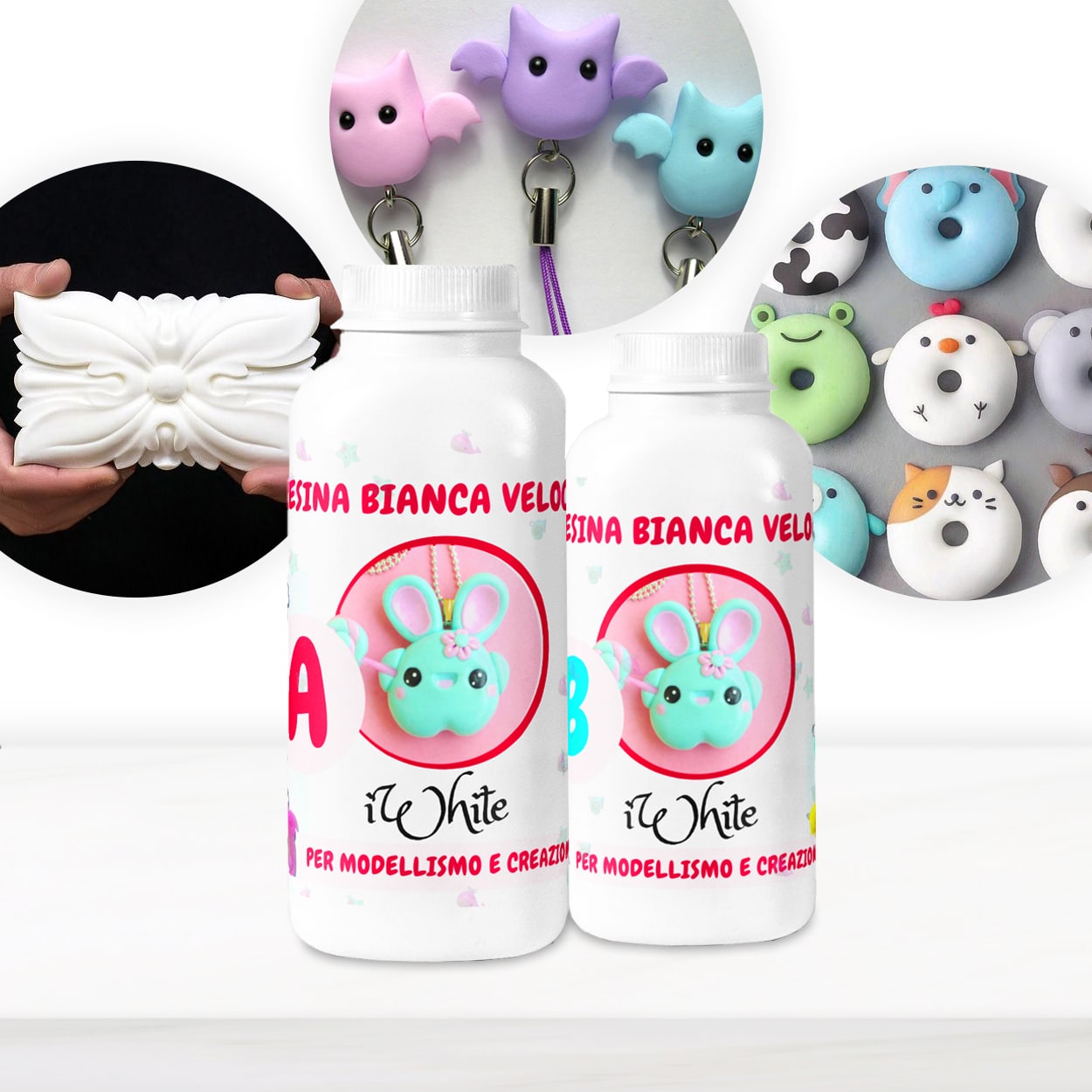
Even with careful mixing, some bubbles may remain after the resin is poured into the mould. To release these, gently pass a heat gun over the surface in swift movements—taking care not to overheat the resin. This brief exposure helps bubbles rise and escape, creating a glass-like finish. If you’re working on detailed moulds or rapid casting, choosing a highly fluid product like IWhite Polyurethane Casting Resin, known for its ease of bubble release, can vastly improve the clarity of your results.
When Bubble Control Matters Most
- Intricate moulds: Fine details can easily trap air, so bubble prevention is essential for crisp final pieces.
- Clear and glossy finishes: Surface blemishes are more visible in transparent or shiny items, making bubble-free resin especially critical.
- Layered or artistic resin work: Bubbles between layers can impact both appearance and durability.
Related products
Related guides
Mastering bubble control is key to elevating your resin hash creations. Looking for more practical guidance? Discover advanced resin hash techniques on our main How to make resin hash page.