 Free shipping on orders over £29,85
  Shipping Tracking!


 Google
 Facebook
← Back to How to make resin hash
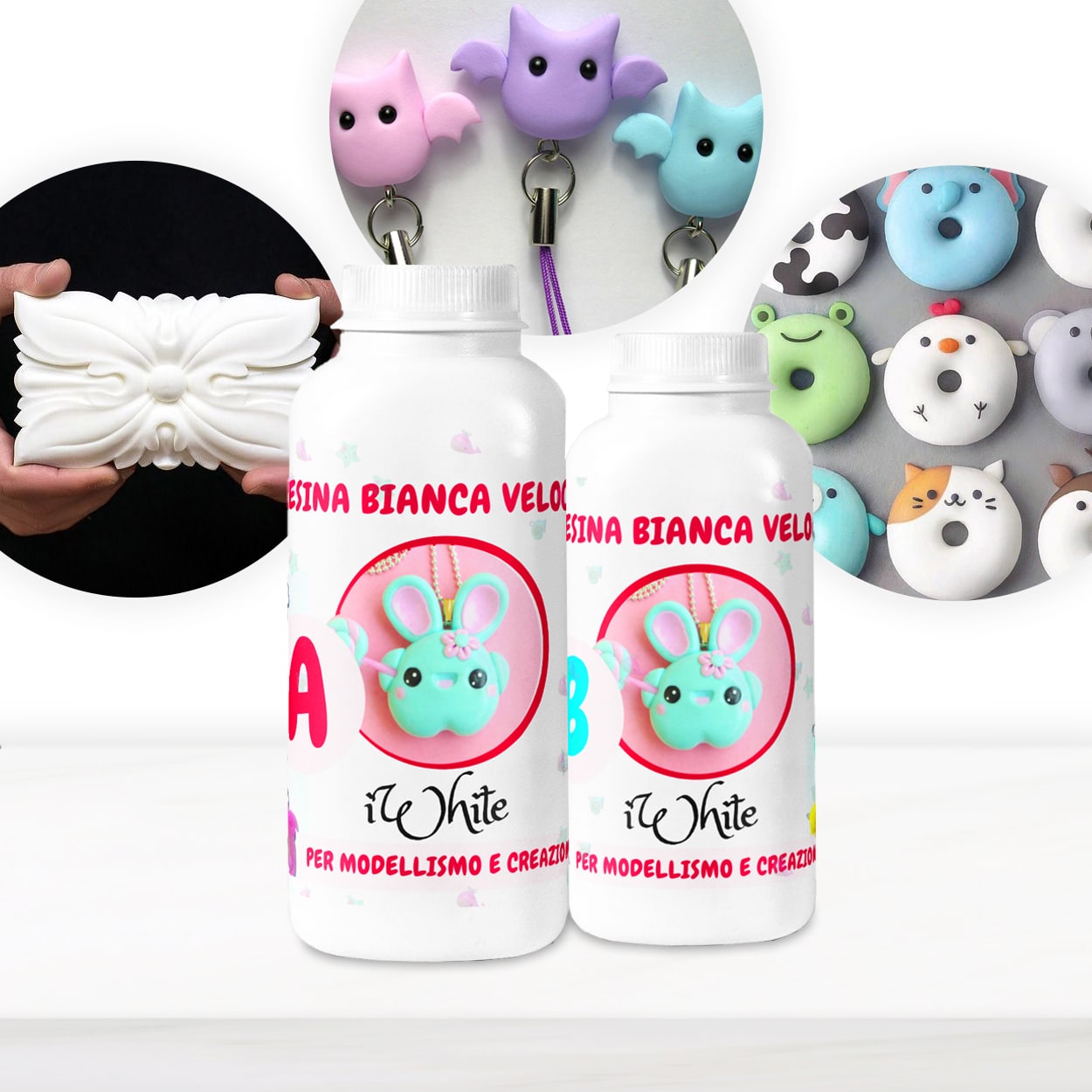
Ensuring your resin hash projects cure correctly is one of the most important factors in achieving crisp detail and a strong, lasting result. Rushing any stage can cause surface flaws or weaken the finished piece.
Why Each Curing Stage Matters
Each resin—epoxy or polyurethane—has unique curing times. While fast-curing resins like the “IWhite” – Polyurethane Casting Resin set rapidly, others might need longer to reach handling or demoulding stages. Allowing each stage to complete thoroughly ensures your resin hash holds its shape and captures all fine detail in the mould.
- Premature unmoulding may result in distortion or surface sticky spots
- Incomplete cures often lead to tacky areas or unwanted bubbles
- Each manufacturer’s instructions may vary so always check guidance for the specific product used
Practical Steps for Accurate Curing
Timing starts as soon as the resin is mixed and poured into your mould. Even with products offering rapid demould (such as a 6-hour turnaround), it’s best to plan for the full recommended curing time before sanding or painting. For multi-layer projects, allow each layer to reach at least a soft cure before adding the next to prevent unwanted marks or blending. If using quick-curing resins like ICreation Fast Epoxy, keep room temperature and humidity within the guidelines for best results.
When This Matters Most
Giving each curing stage enough time is crucial when working with detailed moulds or when transparency and a flawless finish are essential. This is especially important if you intend to layer colours, embed items, or require a professional appearance from your resin hash. Patience here leads to consistently reliable outcomes.
Related products
Related guides
By understanding and respecting each curing stage, you set the foundation for superior resin hash results. For more comprehensive advice on creating resin hash from start to finish, explore our main how-to guide.