 Free shipping on orders over £29,85
  Shipping Tracking!


 Google
 Facebook
← Back to How to make resin hash
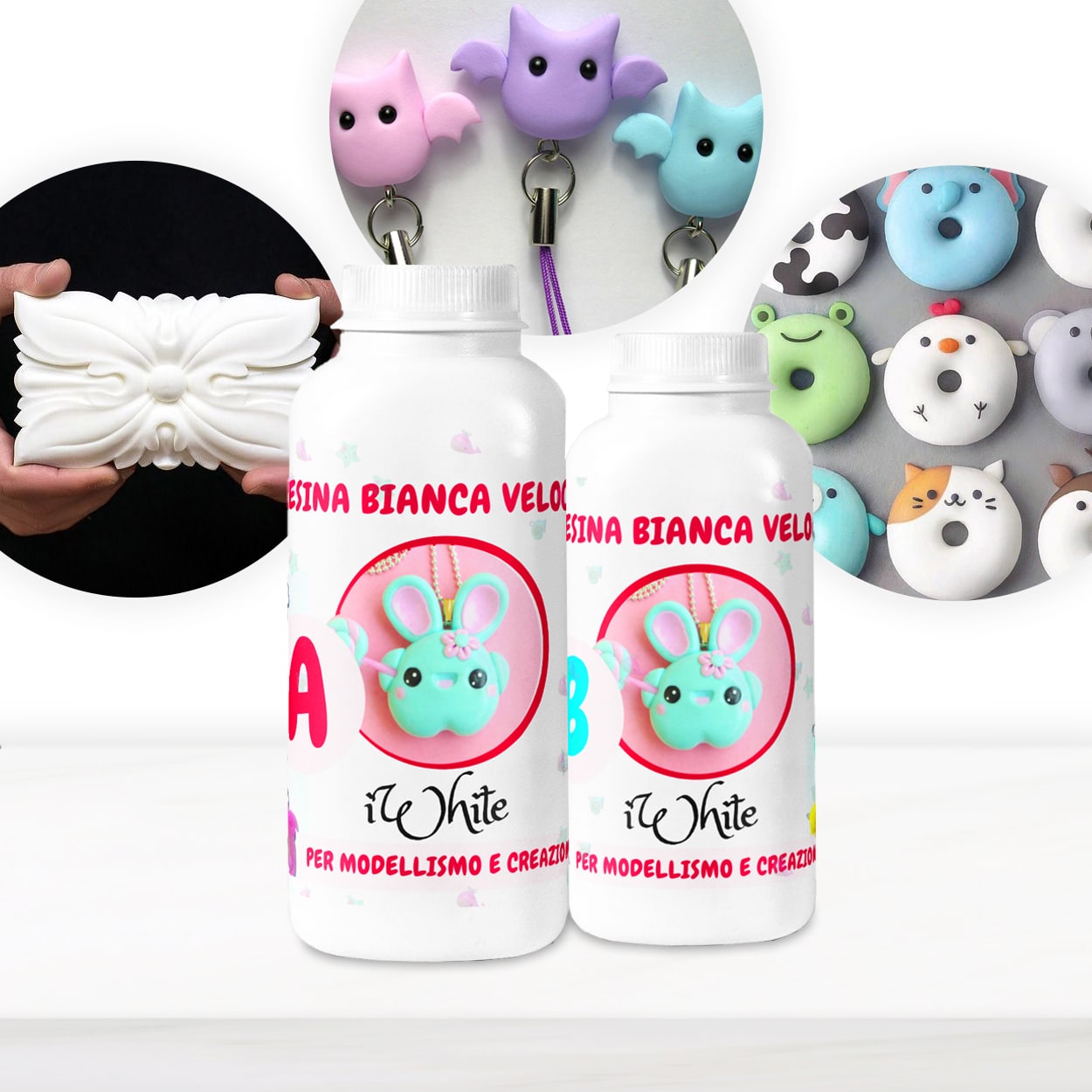
When casting or crafting with resin, the temperature has a significant impact on the quality of your results. Proper control during mixing and curing helps prevent common issues like yellowing and rapid, uneven curing.
Why Temperature Matters in Resin Work
Resins are highly sensitive to their working environment, and temperature plays a critical role in determining how your project will turn out. If it becomes too warm, resin can cure much faster than intended, reducing your working time and risking uneven or brittle finishes. Cooler conditions slow the curing process, but inconsistent temperatures can create patchy results or even cause incomplete cures.
Tips for Preventing Yellowing and Rapid Curing
- Work within the manufacturer’s recommended temperature range—typically between 18–25°C for most resins.
- Mix and pour in a controlled indoor setting to avoid sudden temperature spikes or drafts that might accelerate curing.
- Measure components accurately—incorrect ratios can react unexpectedly in warm conditions.
- If you need a fast-set option, choose products designed for controlled, predictable fast curing, like the “IWhite” Polyurethane Casting Resin.
When This Matters Most
Consistent temperature is especially important for projects with intricate details or deep pours—such as resin hash moulds or large castings. Maintaining stable conditions minimises colour changes and ensures the piece demoulds cleanly, particularly when clarity and surface finish are priorities.
Related products
Related guides
By keeping your environment within optimal temperature ranges, you can achieve clear, consistent, and lasting results in resin projects. For further guidance on best practices, return to our main guide on how to make resin hash.