 Free shipping on orders over £29,85
  Shipping Tracking!


 Google
 Facebook
← Back to How do you make resin cement?
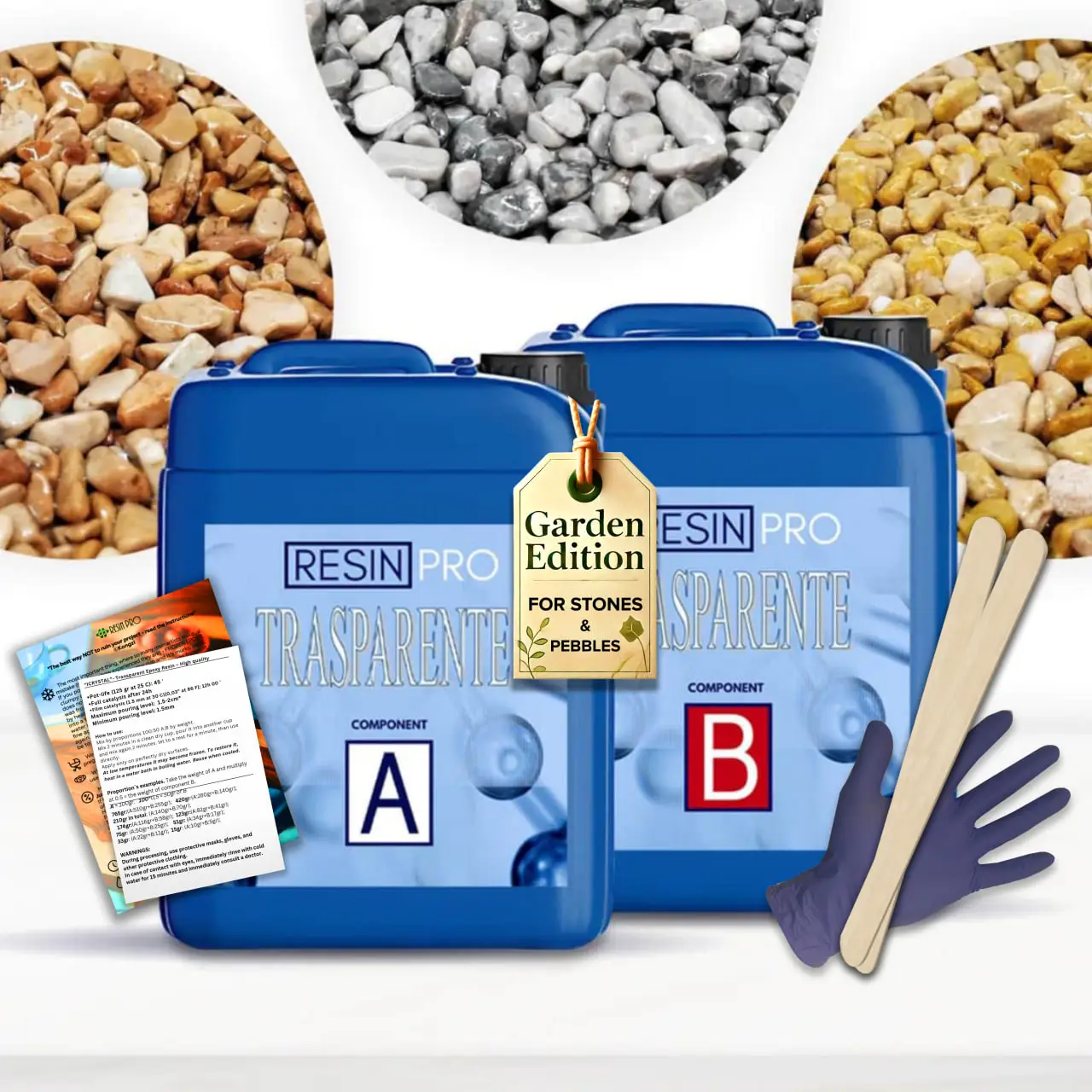
Getting the mix right when combining resin with stone or pebbles is crucial for a lasting, attractive finish. The right ratio ensures strength, stability and appearance for resin-bound paving, driveways, and decorative flooring.
Standard Resin to Stone Ratio
A typical guideline for resin-bound pebble and stone surfaces is to use about 3% resin by weight in relation to your aggregate. For example, with 100kg of pebbles or grit, you would use around 3kg of resin. This is a standard starting point for most outdoor and decorative floors.
It’s worth noting this percentage might need minor adjustment based on the size of your stones and the manufacturer’s instructions. Finer aggregates can sometimes require slightly more resin to ensure full coverage, while coarser ones may need less to avoid unnecessary pooling.
Practical Mixing Tips
Always dry your aggregate thoroughly before mixing in the resin, as moisture can compromise adhesion. Wear gloves and use a suitable mixer to ensure a consistent blend. Aim for a thin, even coating of resin on all stones. For best results, combine the resin and hardener (if using a two-part system) immediately before adding to your pebbles or grit.
For a ready-to-use approach, consider products like the “Trasparente” Epoxy Binder for Coloured Pebbles and Grits, which is specially formulated for these projects.
When Getting the Ratio Right Matters
- Durability: Too little resin can lead to a weak, crumbly surface; too much may cause yellowing or pooling.
- Aesthetics: The correct ratio helps highlight the natural colour and gloss of the stones without leaving excess residue.
- Drainage: For permeable floors, the right mix maintains water flow through the surface.
Related products
Related guides
Getting the resin-to-stone ratio right helps ensure that your pebble cement floors remain durable and visually appealing. For comprehensive advice on making resin cement, see our main guide: How do you make resin cement?