 Free shipping on orders over £29,85
  Shipping Tracking!


 Google
 Facebook
← Back to how to make a counter mould in resin?
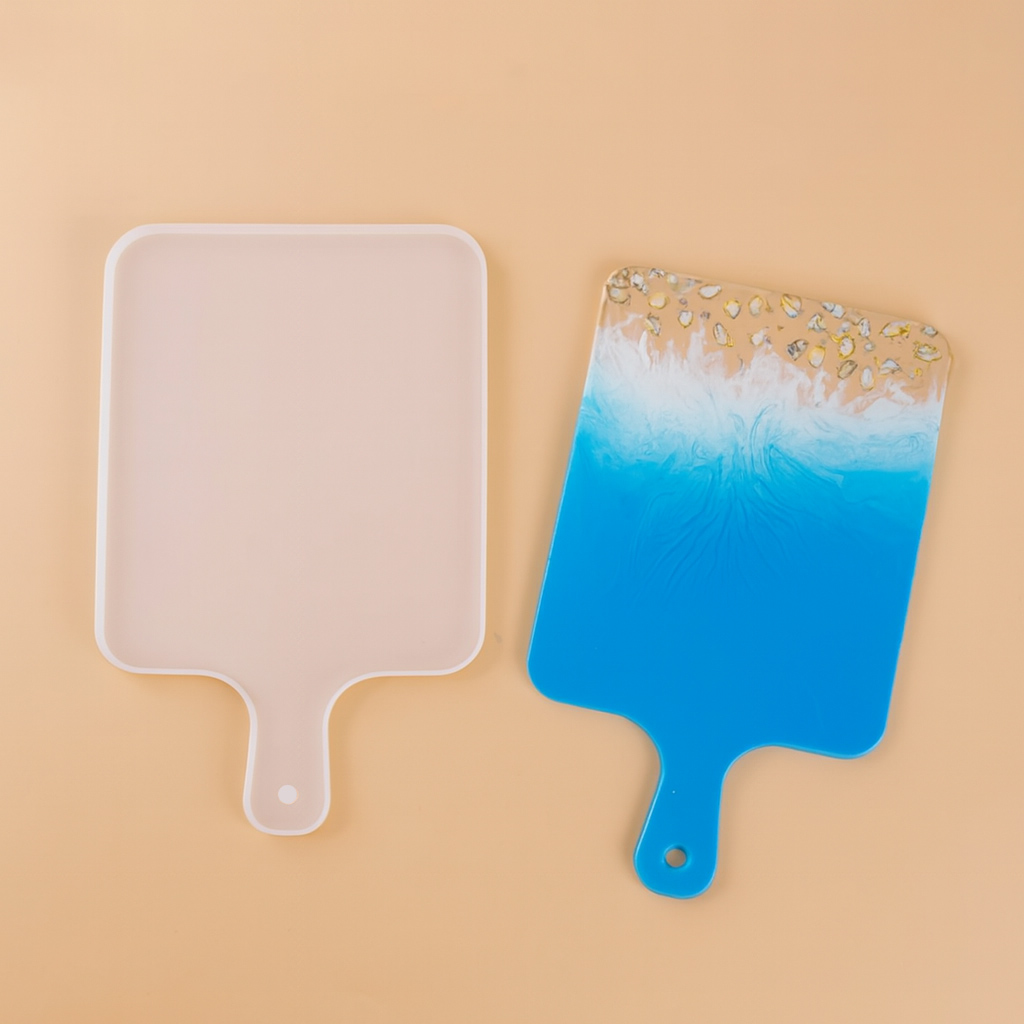
Whether you’re crafting coasters, cutting boards, or trays from resin, the release process can sometimes be a concern. Here’s what you need to know about using (or skipping) a release agent for silicone resin moulds.
Is a Release Agent Necessary?
For most standard uses, high-quality silicone moulds are designed to be non-stick, meaning that resin cures are typically easy to remove without any extra step. Products like the Rectangular Cutting Board Silicone Mould for Resin Casting exemplify this with their reusable and smooth interiors.
However, there are situations—especially with highly intricate patterns or prolonged curing times—where a light mist of suitable release agent may make removal even gentler. This is more relevant if you’re pouring deep or detailed moulds, or plan on leaving the cured resin in the mould longer than suggested.
Tips for Trouble-Free Demoulding
- Always remove your resin item from its silicone mould as soon as it is fully cured, ideally within 12 hours, to prevent sticking.
- Clean your mould thoroughly before each use, avoiding any aggressive solvents that could damage the silicone.
- In cases where you encounter tight corners or very fine textures, a light application of a mild, mould-specific release spray can be helpful.
When This Matters
If you’re working on intricate items like decorated trays, or if demoulding becomes difficult when making large batches in warm conditions, a light release agent can speed up production and help extend your mould’s life. For standard coasters or flat items, clean silicone is usually sufficient.
Related products
Related guides
In summary, you rarely need a release agent with quality silicone moulds, but having one at hand is useful for complex pours. For a deeper dive into making and using resin counter moulds, see our full guide on how to make a counter mould in resin.