 Free shipping on orders over £29,85
  Shipping Tracking!


 Google
 Facebook
how to make jewellery with resin tutorial
A beginner’s guide to resin jewellery, from mixing to polish.


Unlock your creativity with handmade resin jewellery. This comprehensive guide will walk you through each step of the process, so you can safely and confidently produce stunning pieces—whether you’re new to resin or honing your craft. You’ll discover best practices for mixing, pouring, curing, and finishing, with tips for avoiding common pitfalls along the way.
What You’ll Need
- “Evershine Collection” – Artisan Jewellery Epoxy Resin Kit with 100+ Accessories: An all-in-one kit for beginners, which includes clear epoxy resin, pigments, dried flowers, and accessories.
- “UV–Creation” – Fast Acrylic Resin, 3 Minute UV Cure: A rapid-curing UV resin for quick, smaller jewellery pieces.
- “ICreation” – Fast Epoxy Resin, 6h Demoulding, Transparent Gloss Finish: A fast-set epoxy for time-efficient crafting.
- “One-2-One” – Epoxy Resin for Handcraft, 1:1 Mixing Ratio: Ideal for both beginners and experienced crafters needing simple 1:1 mixing and a gloss finish.
- Silicone jewellery moulds
- Assorted jewellery findings, mixing sticks and disposable cups
- Nitrile gloves, apron, and protective eyewear
- UV lamp (for UV resin)

Explore Creative Resin Jewellery Inspirations
Browse real-world examples of resin jewellery to spark your imagination. Experiment with transparent finishes, bold pigments, or natural inclusions such as pressed flowers for truly bespoke accessories. The right choice of resin and decorative additions can transform simple moulds into high-value handmade gifts.
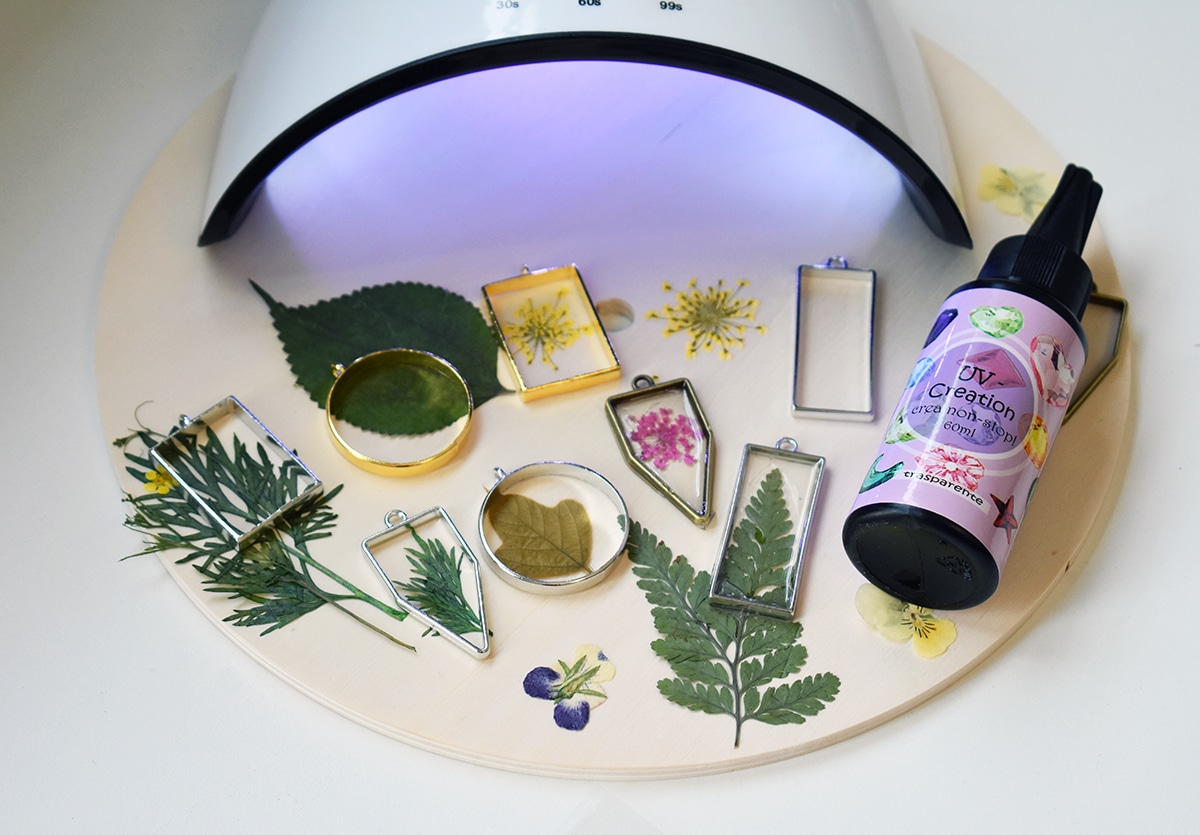
Step 1: Prepare your workspace and gather your safety gear
Begin by covering your surfaces with a protective sheet or disposable tablecloth, as resin can be very difficult to remove once set. Ensure your workspace is in a well-ventilated area and is free of dust and debris. Lay out all of your tools and materials beforehand so they are within easy reach. Always wear nitrile gloves, an apron, and protective glasses to keep resin away from skin and eyes.
Good preparation will help you avoid contamination and ensure a smooth workflow. Take the time to read through the resin instructions relevant to your chosen product before you begin, as timing and mixing can vary depending on the formula.
Step 2: Mix your resin according to instructions
Measure out the resin and hardener using the ratios specified by your chosen brand. For instance, if you’re using the “Evershine Collection” – Artisan Jewellery Epoxy Resin Kit with 100+ Accessories or “One-2-One” – Epoxy Resin for Handcraft, 1:1 Mixing Ratio, combine equal parts by volume. Mix slowly in a disposable cup using a wooden stick, scraping the sides to ensure even blending and avoid introducing air bubbles.
If using “UV–Creation” – Fast Acrylic Resin, 3 Minute UV Cure, no mixing is needed—this single-component UV resin is ready to use straight from the bottle, ideal for smaller open bezel jewellery or quick projects. Inspect mixtures for clarity before proceeding to pouring.
Step 3: Pour into moulds and add design elements
Slowly pour the mixed resin into your chosen silicone moulds. Pouring steadily helps to minimise bubbles and create clean casts. You can layer colours or embed decorative elements such as dried flowers, glitter, or small charms at this stage. Use a cocktail stick or tweezers to carefully position your inclusions before the resin begins to gel.
When working with UV resin, fill the bezel or mould in thin 2–3mm layers to guarantee proper curing. For intricate designs or personalisation, the “Evershine Collection” kit includes pigments, dried flowers, and alphabet moulds, giving you creative control over each piece’s style and finish.
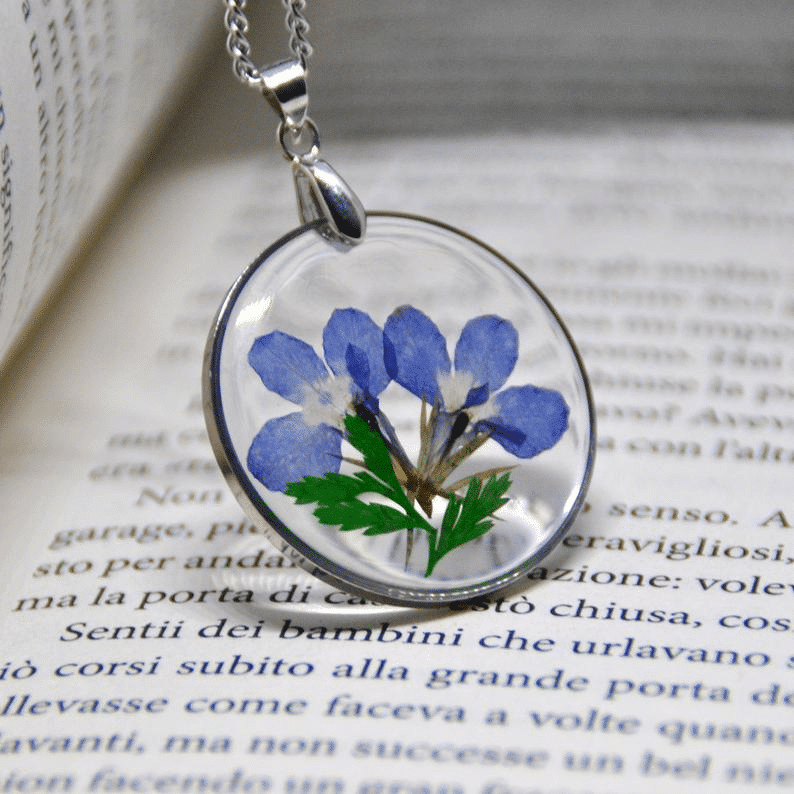
Step 4: Cure the resin fully for a flawless finish
Follow the curing times specified by your resin product. Most epoxy resins, like “ICreation” – Fast Epoxy Resin, 6h Demoulding, Transparent Gloss Finish, need several hours to harden (6 hour demould; up to 12/24 hours full cure). For “UV–Creation” – Fast Acrylic Resin, cure each layer under a UV lamp for 2–3 minutes until set and clear. Avoid touching or moving the mould during this stage as resin is very sensitive to dust and vibration.
Make sure your item is completely hardened before attempting to demould, as premature removal can cause warping or fingerprints. Check that the back of the piece is dry—especially with thicker pours or less transparent moulds.
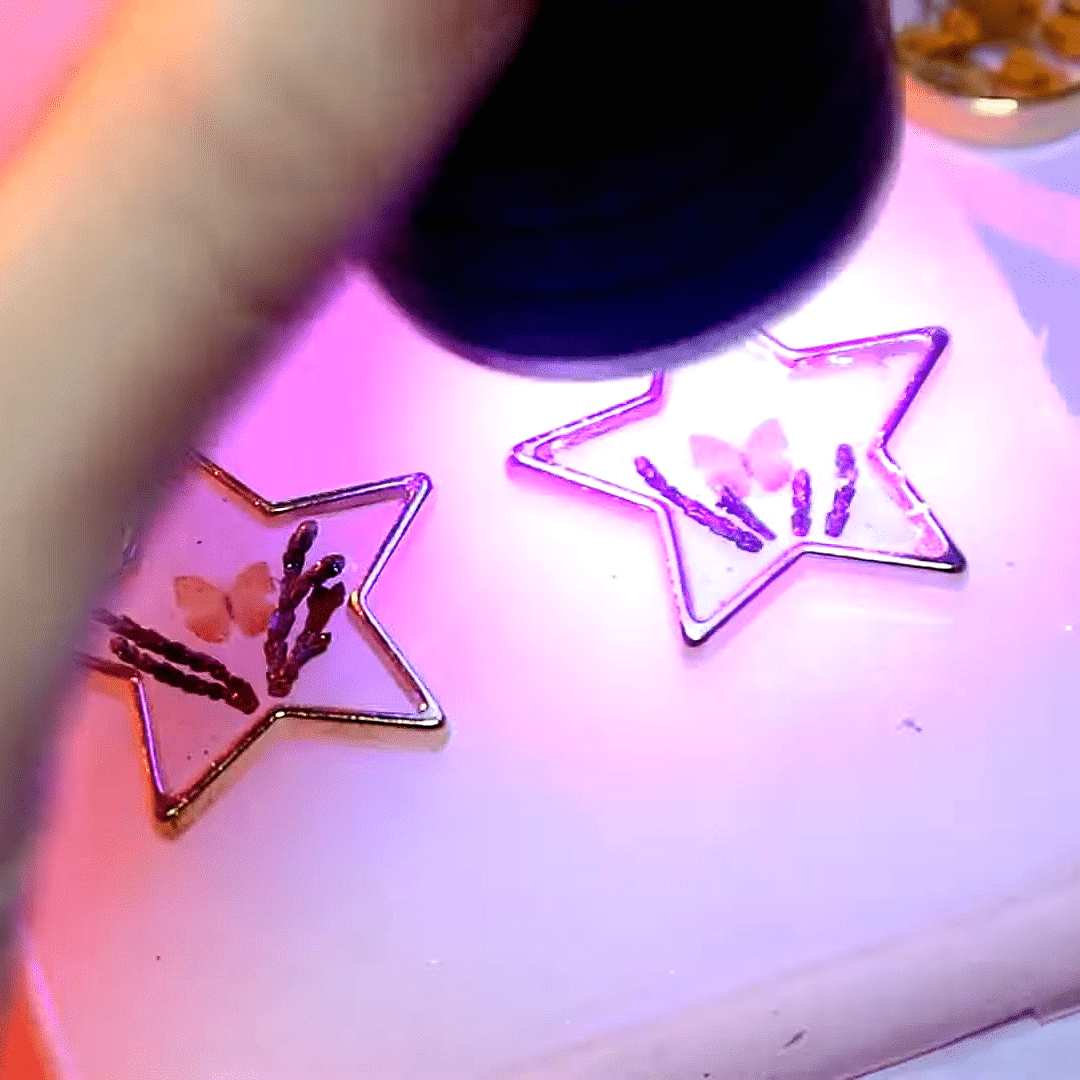
Step 5: Demould and finish your jewellery with care
Once cured, carefully peel the silicone mould away from your resin piece. If any rough edges or sharp bits are present, gently sand them using fine grit wet-and-dry sandpaper. Clean off any dust and, if desired, polish the surface with a soft cloth for a high-gloss, glass-like finish.
Use a mini precision drill (included in kits like the Evershine Collection) to make small holes for attaching findings such as jump rings, chains, or hooks. Assemble your jewellery using pliers and secure the findings firmly. Your completed resin jewellery is now ready to wear or gift.
Tips, Common Mistakes, and Troubleshooting
Always work at room temperature to help resin cure evenly. Avoid over-mixing pigments which can interfere with setting. If you notice bubbles, use a cocktail stick or gently warm the surface with a heat gun, taking care not to overheat. Never rush demoulding; patience ensures the best finish. For UV resin, thin layers guarantee thorough curing and fewer sticky spots.
If you encounter cloudy resin, it may be under-mixed, or the curing temperature is too low. Sticky or soft pieces usually indicate incomplete mixing or insufficient curing time. Practise on test moulds to refine your skills and consult your resin’s instructions for best results.
Finishing Touches: Adding Shine and Customisation
Enhance the look of your finished pieces with extra polishing or by incorporating unique findings. Try mixing pigment shades, embedding initials, or creating matching sets for a personal touch. Never underestimate the impact of a flawless, glossy finish in making your resin jewellery stand out.
- "Evershine Collection" – Artisan Jewellery Epoxy Resin Kit with 100+ Accessories£20.85Complete epoxy resin jewellery kit with clear 1:1 resin and over 100 accessories for crafting personalised pieces.
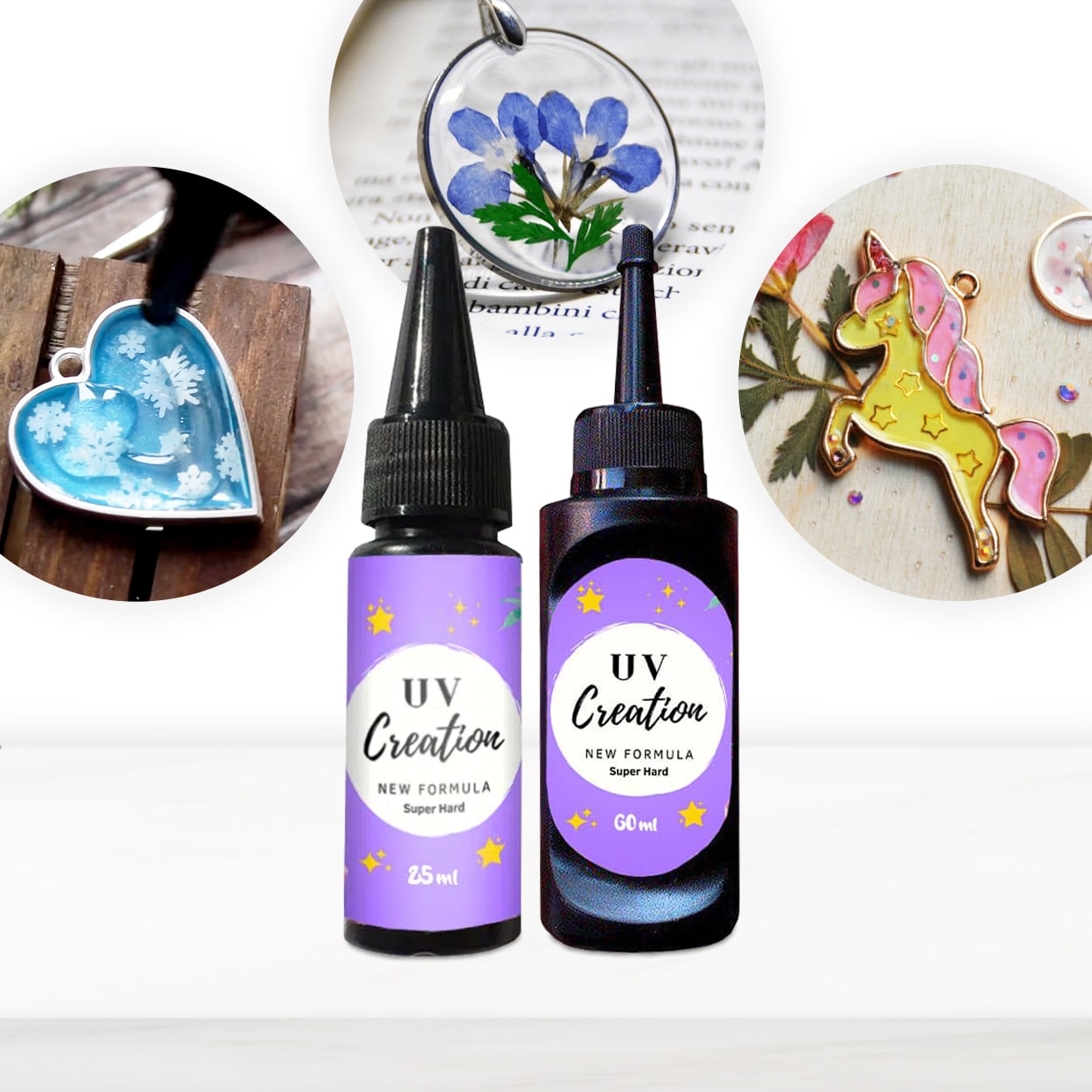
- "UV–Creation" – Fast Acrylic Resin, 3 Minute UV CurePrice range: £7.85 through £59.85"UV–Creation" delivers a ready-to-use UV gel resin with fast curing and a clear, glossy finish suited for jewellery making.
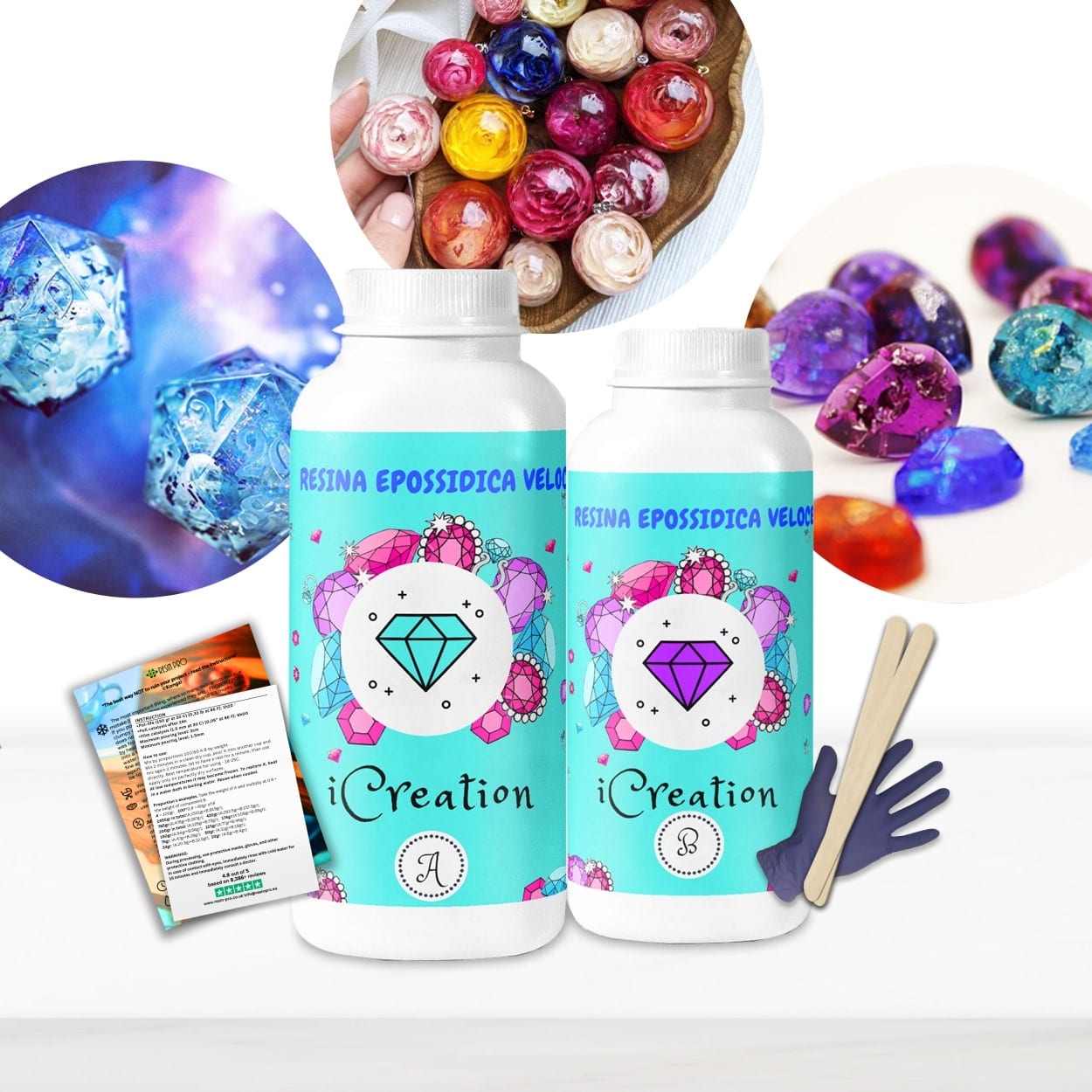 "ICreation" – Fast Epoxy Resin, 6h Demoulding, Transparent Gloss FinishPrice range: £19.40 through £52.85ICREATION fast epoxy resin offers a crystal-clear, self-levelling finish suitable for jewellery making in a fast, practical curing time.
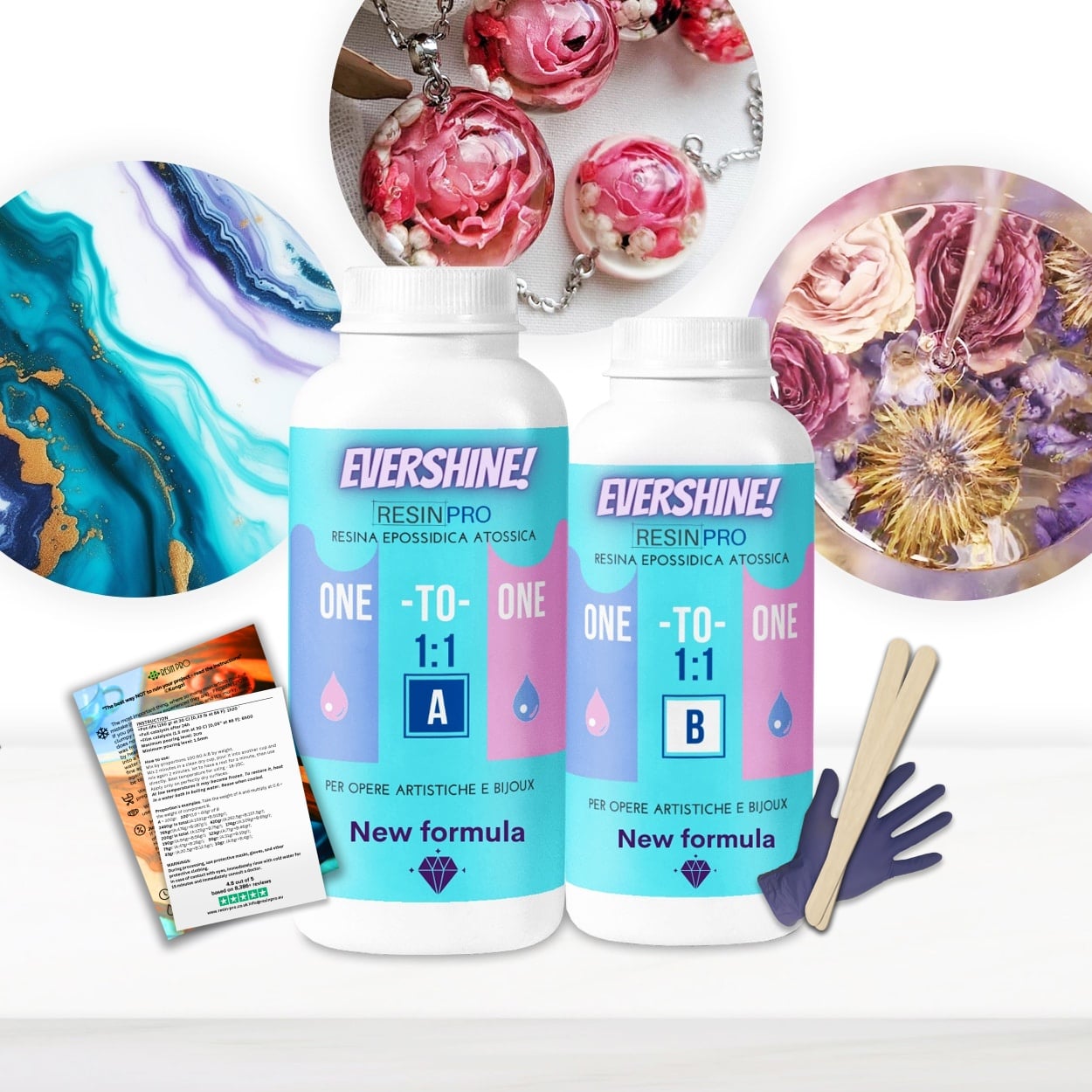 "One-2-One" – Epoxy Resin for Handcraft, 1:1 Mixing RatioPrice range: £14.85 through £56.85"One-2-One" epoxy resin features easy 1:1 mixing and a clear, glossy finish suitable for jewellery crafting.
Frequently Asked Questions
What is the correct mixing ratio for jewellery resin?
Always follow your product’s instructions. Most craft epoxies use either 1:1 by volume or 2:1 ratios for accurate, bubble-free results.
How do I work safely with resin?
Always use gloves and eyewear, work in a well-ventilated area, and avoid skin contact with uncured resin.
How can I avoid bubbles in resin jewellery?
Mix slowly and allow the resin to settle before pouring. Use a cocktail stick or gentle heat to remove surface bubbles.
What types of items can I embed in resin jewellery?
Dried flowers, glitter, charms, and small flat objects work well. Ensure all items are dry and clean before embedding.
How do I know when resin jewellery is ready to demould?
Wait until the resin is fully hardened and not sticky. Hardening times depend on the product—some are ready in hours, UV resins in minutes.
How do I polish and finish resin jewellery?
Sand rough edges with fine grit, then use a soft cloth to polish. Add findings using a drill for a professional finish.
Why does my resin jewellery turn yellow?
UV exposure and poor-quality resins may cause yellowing. Choose resins with UV inhibitors for longer-lasting clarity.