 Free shipping on orders over £29,85
  Shipping Tracking!


 Google
 Facebook
← Back to How to make resin bookends?
Sealing your mould properly is one of the most important steps to creating successful resin bookends. A well-sealed mould prevents epoxy leaks, keeps your workspace tidy, and helps you achieve a crisp final shape every time.
Why Mould Sealing Matters
Any gaps, seams, or porous materials in your mould can allow liquid resin to escape, which not only wastes material but can also result in a misshapen or cloudy finish. Ensuring a leak-proof seal around joints and the base protects your table, ensures accurate mould dimensions, and helps you avoid sticky messes that can be tough to clean later.
Practical Techniques and Materials for Leak Prevention
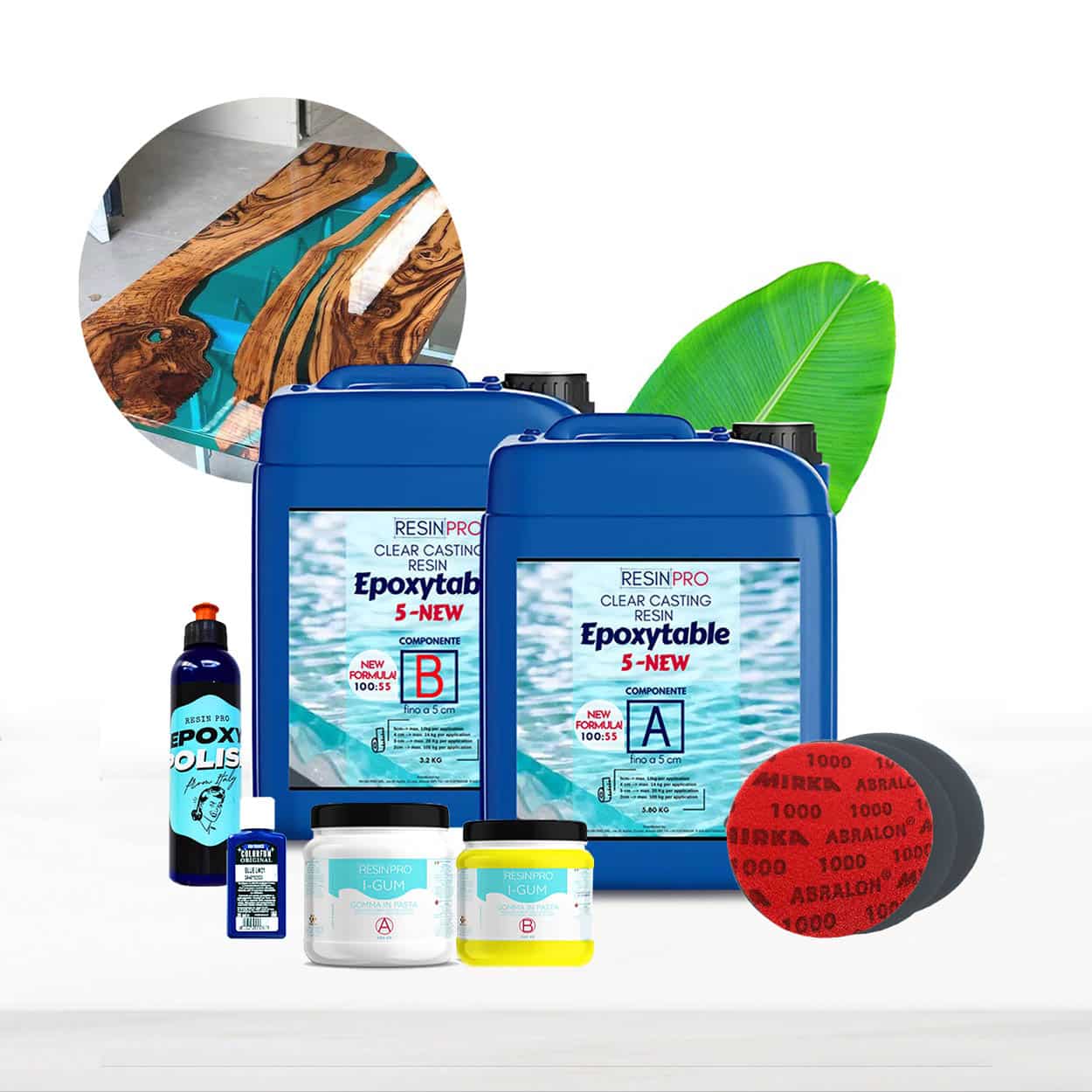
- Use Suitable Sealants: Specialist silicone rubber or paste is ideal for joining edges and filling small gaps on your formwork. For convenience, the complete kit for beginners includes a dedicated silicone sealant specifically for this purpose.
- Apply Release Films: Covering the mould base with transparent release film helps prevent resin adhesion and aids in easy demoulding, while also securing the bottom edge against leaks.
- Check Before Pouring: After assembling and sealing, always inspect for any overlooked gaps by adding a small amount of water to your mould (and then drying thoroughly) before introducing resin.
When This Matters Most
Thorough sealing is critical when making deep or large resin bookends, particularly if your casting is thicker than 2cm or you’re aiming for a striking finish with pigments or embedded objects. Resin is self-levelling and will find even the tiniest gap, so extra care upfront saves you time and materials later.
Related products
Related guides
Perfecting your mould preparation makes the entire resin casting process smoother and more predictable. If you’re looking to learn more about bookend creation from start to finish, explore our main resin bookends guide for further tips and inspiration.