 Free shipping on orders over £29,85
  Shipping Tracking!


 Google
 Facebook
How to make resin bookends?
A practical guide to crafting durable resin bookends

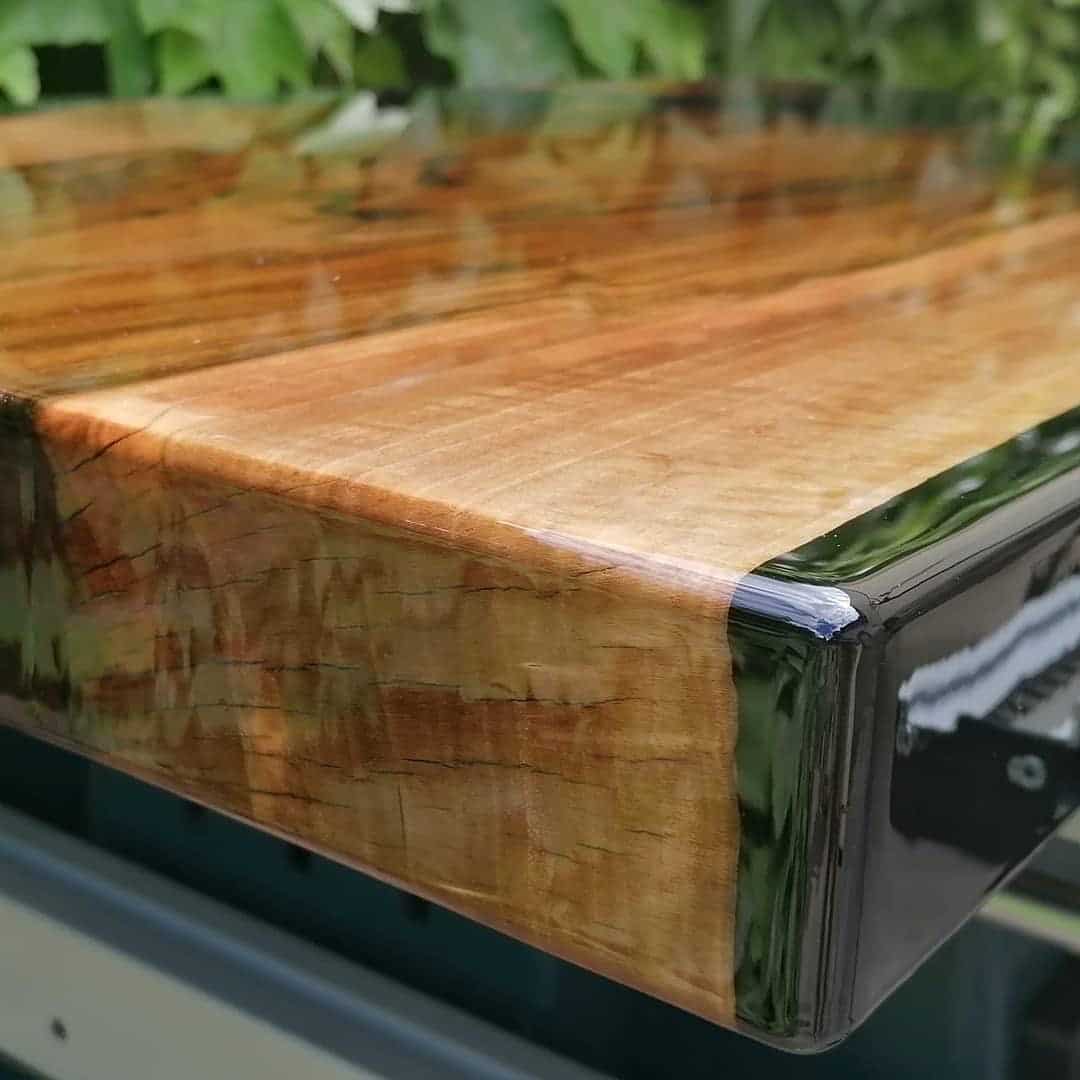
Creating custom resin bookends unlocks a world of creative possibilities for home and office decor. This guide provides practical, step-by-step techniques to help both beginners and experienced crafters to achieve flawless, durable resin bookends, whether clear, colourful or with embedded objects. Learn how to set up a workspace, avoid common mistakes, and finish your project to a high standard.
What You’ll Need
- “Epoxytable 10-Ten” – Deep Pour Epoxy Resin for Tables, Up to 10cm Casting: Best for thicker, larger bookends with a clear or coloured look.
- “EpoxyTable 5-Five” – Deep Pour Epoxy Resin for Tables and Large Projects – Up to 5cm: Ideal for bookends up to 5cm thick.
- “River-Table” – Complete Kit for Creating Your First Epoxy Resin Table: For beginners, contains essential tools and pigments for vibrant resin effects.
- “IWhite” – Polyurethane Casting Resin – White, Fast-Curing Two-Part System: Suitable if you need a fast, solid white base or want to paint your bookends.
- Bookend moulds (silicone recommended)
- Mixing cups, stirrers and gloves
- Optional: pigment/powder, embedded objects (leaves, stones, etc.), polishing pads

Resin Bookend Project Inspiration
Browse our gallery of resin bookends for unique ideas. From crystal-clear resin to marbled colours and embedded keepsakes, resin bookends can be tailored to any style. Use colourful pigments, wood inserts, or natural objects to make your pair stand out.
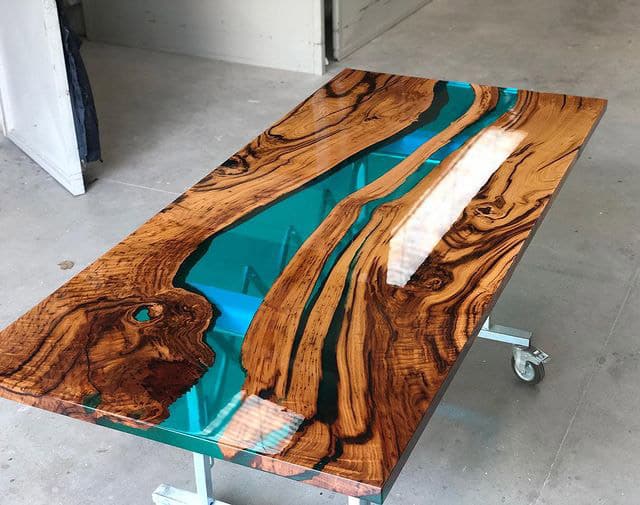
Step 1: Prepare Your Workspace and Mould
Start by selecting a flat, well-ventilated area and protect surfaces with plastic sheeting. Choose a durable silicone mould shaped for bookends or create your own using sealed acetate and tape. Always plan your mould design before mixing resin to ensure you have plenty of time. Check for tight mould seams and apply release agent if necessary; this helps demould your bookends cleanly.
Ensure your mould is dust-free and dry. Seal your mould thoroughly to prevent leaks, especially when using separated or hand-built forms. Place moulds on a level surface to ensure the final bookends sit flat without wobble.
Step 2: Measure and Mix the Resin
Read the mixing ratios for your selected resin and prepare by wearing gloves. Mix resin slowly to avoid air bubbles, scraping the sides and bottom of your mixing cup. For bookends up to 5cm thick, “EpoxyTable 5-Five” provides a balanced combination of clarity and durability. For larger or extra-thick designs, consider “Epoxytable 10-Ten” for pour depths up to 10cm in a single layer.
If using “IWhite” – Polyurethane Casting Resin for rapid results and a solid, paintable finish, strictly follow the two-component mixing instructions due to fast setting times. Only pour as much as you can work within the open time of the product.
Step 3: Pour and Layer the Resin
Begin pouring the mixed resin into the mould, starting gently at one corner. Pour the resin in stages if needed for thick bookends, allowing the first layer to partially gel before adding the next to prevent overheating and maintain clarity. For creative effects, add pigment or embed items between layers for visual interest. Remove surface bubbles with a heat gun or torch immediately after each pour.
If using a kit such as the “River-Table” – Complete Kit for Creating Your First Epoxy Resin Table, follow the step-by-step instructions for best results, making use of included pigments and polishing materials for your final appearance.

Step 4: Cure and Demould Safely
Allow the resin to harden completely – deep-cast epoxy resins may require 24–48 hours for a full cure, while polyurethane systems can demould in as little as 30–60 minutes. Avoid rushing: allow full curing before handling or demoulding to prevent warping or fingerprints. Once cured, carefully release the bookends from the mould and inspect for sharp edges or minor surface imperfections.

Step 5: Finishing Touches
Sand any rough edges using fine grit abrasive pads, working gradually to higher grits for smoothness. For enhanced shine, polish with a dedicated resin polishing kit or cream. Polish edges for a professional touch. If using white or paintable resin, finish with acrylic paints or protective sealant to personalise your bookend design. Let any polishes or sealants cure thoroughly before use.
Tips, Pitfalls and Troubleshooting
- Work slowly and measure accurately to avoid sticky or improperly cured resin.
- Control the working temperature — 18°–25°C room temperature helps prevent cloudiness and speeds up curing.
- Avoid overfilling the mould, which can cause spillage or uneven shapes.
- For large or thick bookends, always check the maximum single pour depth recommended by your resin and consider multi-layer pours if needed.
- If air bubbles persist, use a toothpick or fine torch pass.
- Store finished bookends out of direct sunlight to prolong clarity and prevent yellowing over time.
Expert Finish and Display Advice
Display your finished resin bookends proudly. For extra shine, buff using a resin-specific polish and soft cloth. Consider adding felt pads underneath to protect surfaces and keep your bookends stable on the shelf.

- “Epoxytable 10-Ten” – Deep Pour Epoxy Resin for Tables, Up to 10cm CastingPrice range: £33.85 through £334.85“Epoxytable 10-Ten” is designed for deep casting projects up to 10cm thick, suitable for tables and artistic resin work.
- "EpoxyTable 5-Five" – Deep Pour Epoxy Resin for Tables and Large Projects – Up to 5cmPrice range: £16.85 through £1,099.85"EpoxyTable 5-Five" is suited for making tables and large projects up to 5cm thick with low exothermic reaction and UV filters.
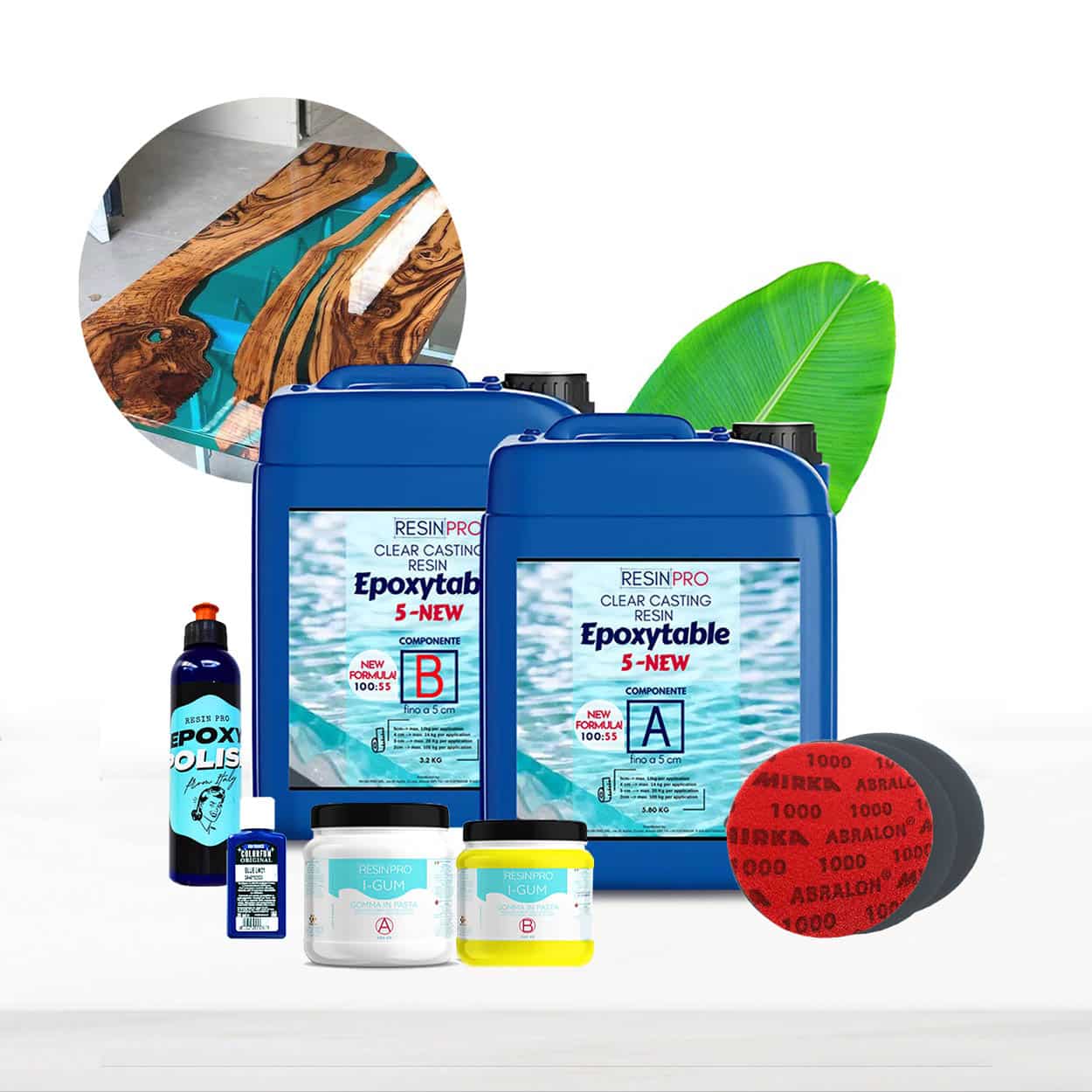 "River-Table" – Complete Kit for Creating Your First Epoxy Resin TablePrice range: £188.85 through £444.85"River-Table" kit includes resin, sealant, pigment and polishing tools with guidance for creating wood and resin tables.
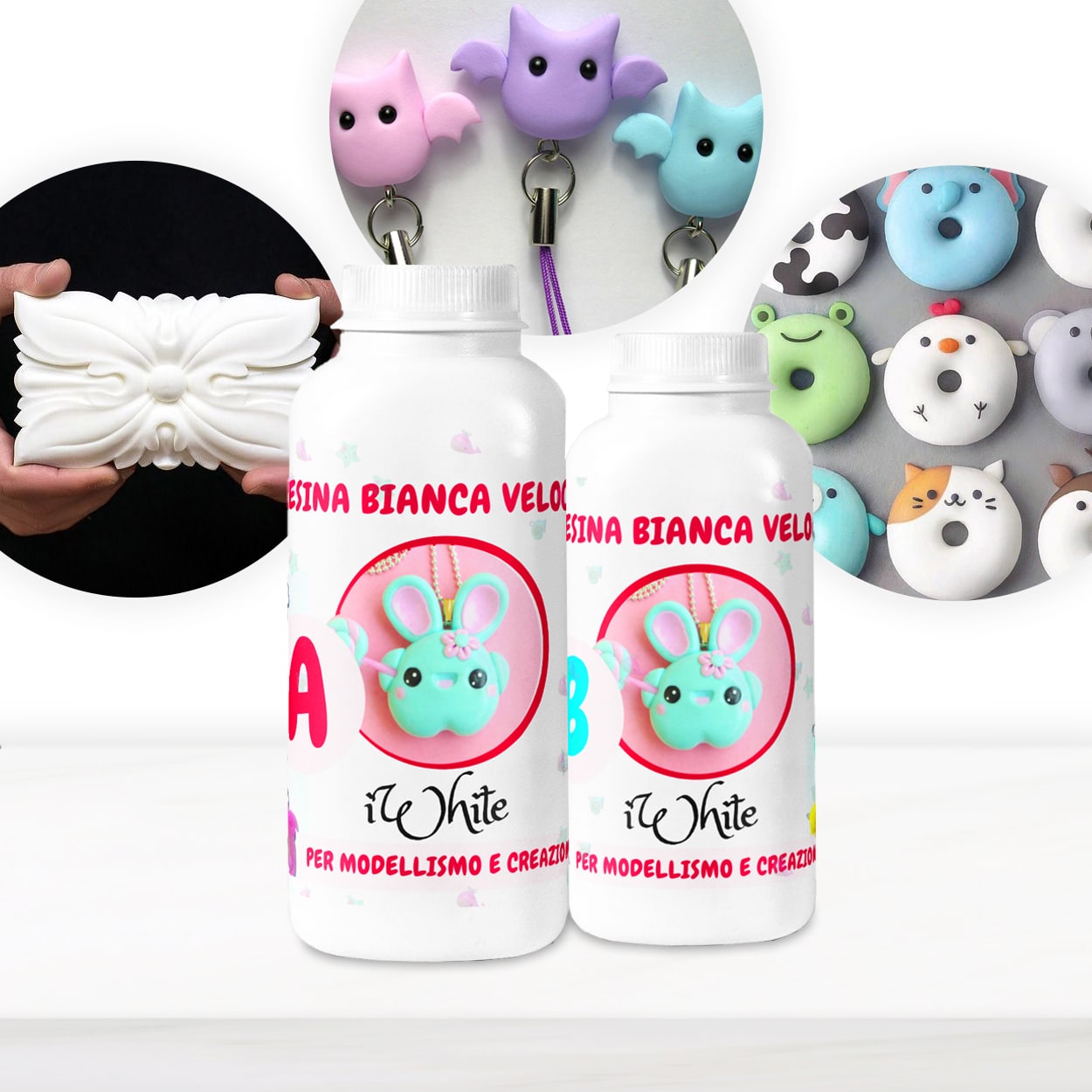 “IWhite” – Polyurethane Casting Resin – White, Fast-Curing Two-Part SystemPrice range: £22.85 through £34.85IWHITE resin is a fast-curing, fluid polyurethane suitable for precise and detailed casting in rapid prototyping and model making.
Frequently Asked Questions
What is the best type of resin for making bookends?
Epoxy resins designed for deep pouring or casting, such as those for tables, provide strength and clarity for bookends.
How do I avoid bubbles in resin bookends?
Mix slowly, pour in thin layers if possible, and use a heat gun or torch to remove surface bubbles immediately after pouring.
How long should resin bookends cure?
Deep pour epoxy requires 24–48 hours for a full cure, while fast-setting polyurethane may be ready in 30–60 minutes.
How can I demould resin bookends without damage?
Use mould release spray and ensure the resin is fully cured before carefully flexing the mould to release the bookends.
Can I add objects or colour to resin bookends?
Yes, embed items between layers of resin and use pigments or dyes for custom colours and effects in your bookends.
How should I sand and polish resin bookends?
Start with fine grit abrasive pads, then polish with a resin-specific cream for a glossy, professional finish.