 Free shipping on orders over £29,85
  Shipping Tracking!


 Google
 Facebook
← Back to How to Make Epoxy Resin Moulds at Home
Bubbles can spoil the look and clarity of your resin or silicone moulds, making them appear cloudy or uneven. Careful preparation and technique will help you minimise trapped air for a flawless finish.
Mixing and Pouring Tips
To reduce bubbles, stir your resin or silicone mixture slowly and steadily. Vigorous mixing is more likely to introduce air, so take your time and use a flat spatula or mixing stick. When you’re ready to pour, aim to pour from a single spot, letting the material flow naturally and gently fill the mould. If you notice surface bubbles, you can try gently blowing on them or using a toothpick to burst them while the mixture is still liquid.
Select the Right Materials and Tools
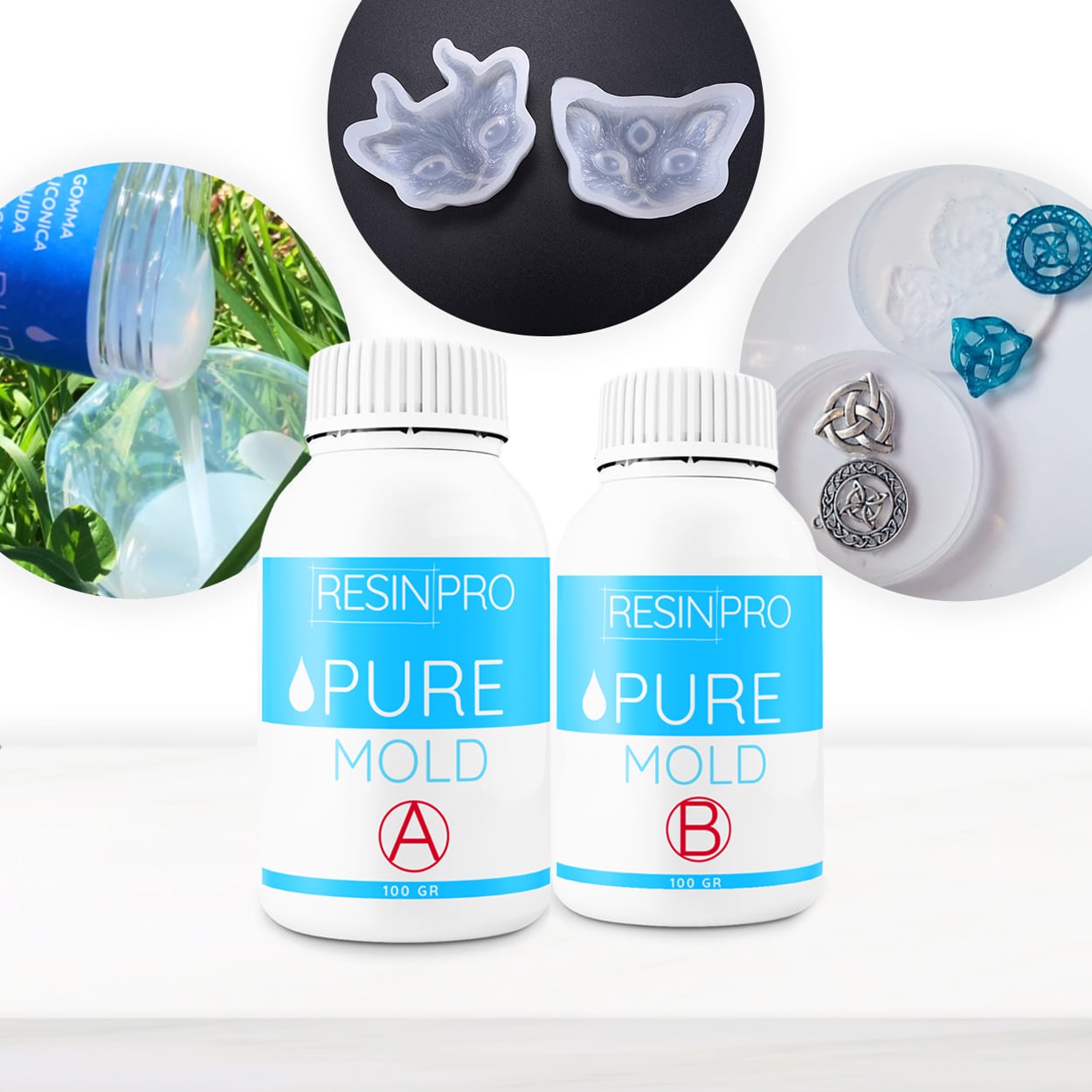
Choosing high-quality silicone or resin can make a difference in bubble reduction. Products like the “Pure Mould” Translucent Liquid Silicone Rubber are designed for detailed mould making and flow well, helping bubbles escape more easily. Also, using flexible, smooth-sided moulds decreases the chance of air pockets sticking to the surface.
When This Matters Most
If you’re making crystal-clear resin pieces or decorative objects where clarity is vital, preventing bubbles is especially important. This applies to projects like coasters, keepsakes, or intricate moulds where details should stay sharp and free from imperfections.
Related products
Related guides
Mastering bubble prevention techniques not only improves the finish of your resin or silicone creations, but also helps you enjoy smoother results each time you make moulds at home. For a full guide and other essential tips, see our main advice on how to make epoxy resin moulds at home.