 Free shipping on orders over £29,85
  Shipping Tracking!


 Google
 Facebook
← Back to How to make fluorescent resin
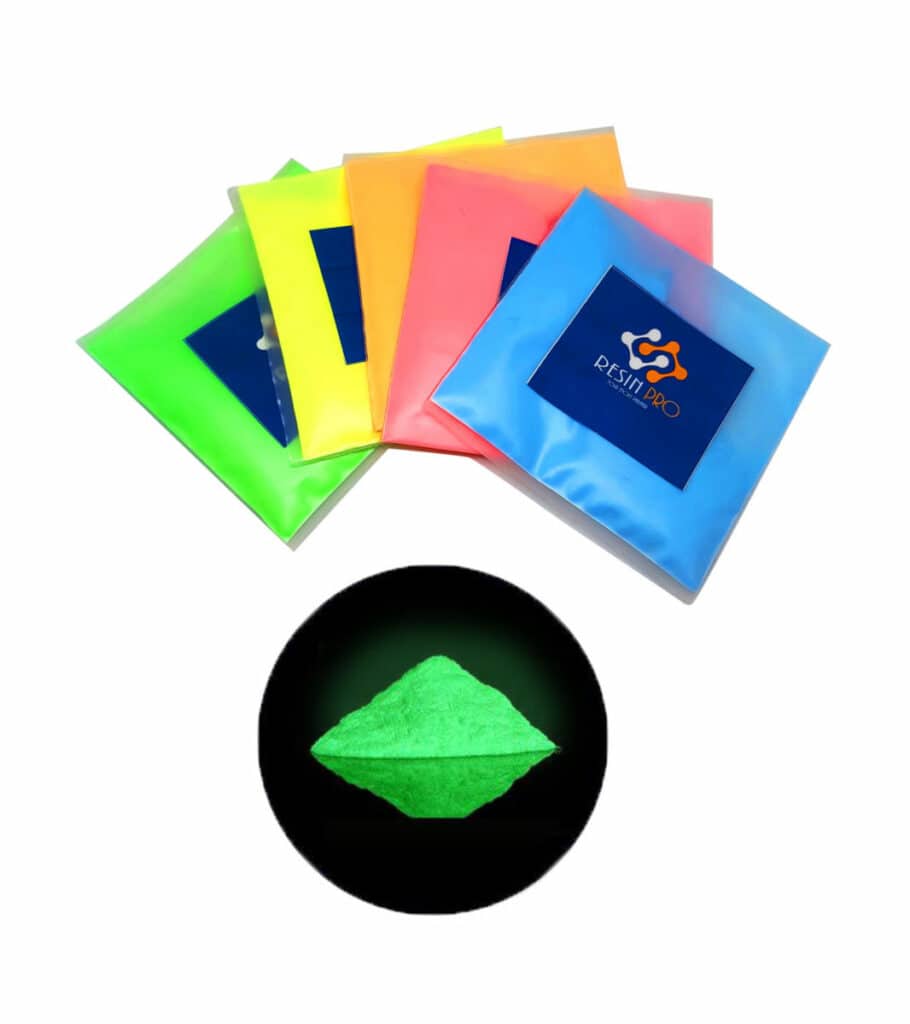
If your finished resin piece doesn’t glow as expected, a few common factors could be at fault. Here’s how to pinpoint and resolve issues with fluorescent and glow-in-the-dark resin creations.
Ensure Correct Pigment Mixing
One main reason resin fails to glow is uneven pigment distribution. When using a product like Fluorescent UV Pigment Powder, it’s vital to mix the pigment thoroughly into your resin, making sure there are no clumps or unmixed pockets. For best results, add pigment at a 20-30% ratio to the resin binder and apply the mixture over light-coloured surfaces to maximise the glow effect.
Charge the Piece Properly
Glow pigments work by absorbing energy from a strong light source – natural sunlight, electric light, or a UV lamp – before emitting a visible glow in the dark. To achieve maximum brightness, expose your cured piece to a direct light source for at least a few minutes. Insufficient charging, or trying to activate the glow under weak lighting, can lead to poor results.
Check Resin and Pigment Compatibility
Ensure you’re using a clear resin, such as “Trasparente” Multipurpose Epoxy Resin, which won’t obscure the pigment’s effect. Using opaque or overly pigmented resin can reduce luminosity, as can using pigment quantities outside the recommended range. Always review both pigment and resin instructions for guidance on suitable pairings and mixing ratios.
When This Matters Most
Getting a strong, lasting glow is essential for decorative pieces, safety markers, and jewellery. Proper attention to these details ensures your project stands out, whether for art, home décor, or visibility in low-light settings.
Related products
Related guides
Following these troubleshooting tips should help your resin creations achieve their best glow. For more guidance on creating stunning fluorescent effects, see our main guide on how to make fluorescent resin.