 Free shipping on orders over £29,85
  Shipping Tracking!


 Google
 Facebook
how to do resin work
Ready to dive into the fascinating world of resin art and craft? Whether you’re interested in making decorative coasters, bold river tables or unique jewellery, mastering the basics of resin work will set you up for success. This guide walks you through what you’ll need, the key stages involved, and the essential safety and troubleshooting tips to help you achieve striking, professional finishes on your very first projects.
Practical steps for resin art, tables and craft projects
What You’ll Need
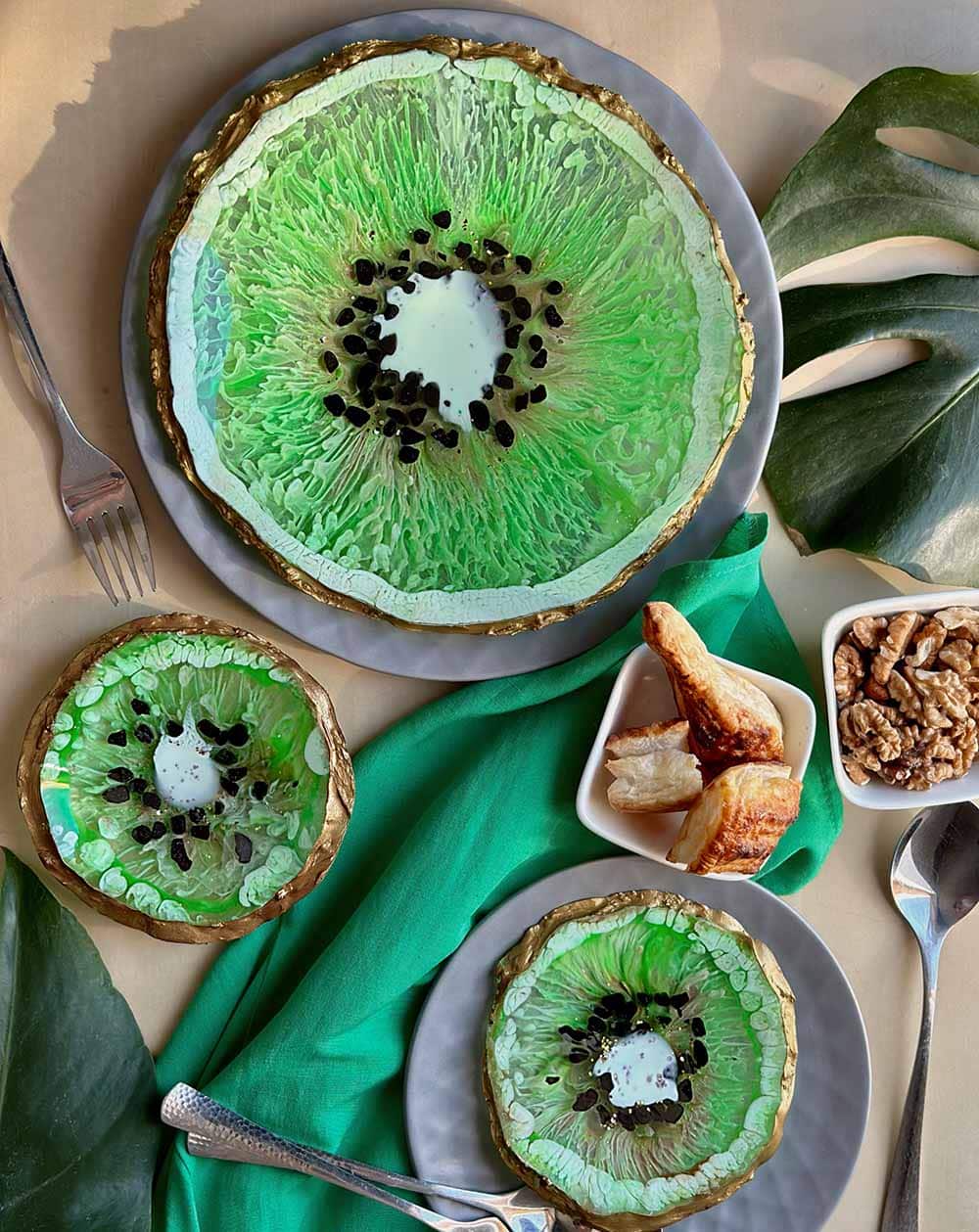
- Free Step-by-Step Lesson “Kiwi Coasters” by Natalia Natirum – Free video tutorial for crafting resin trays and coasters with kiwi design.
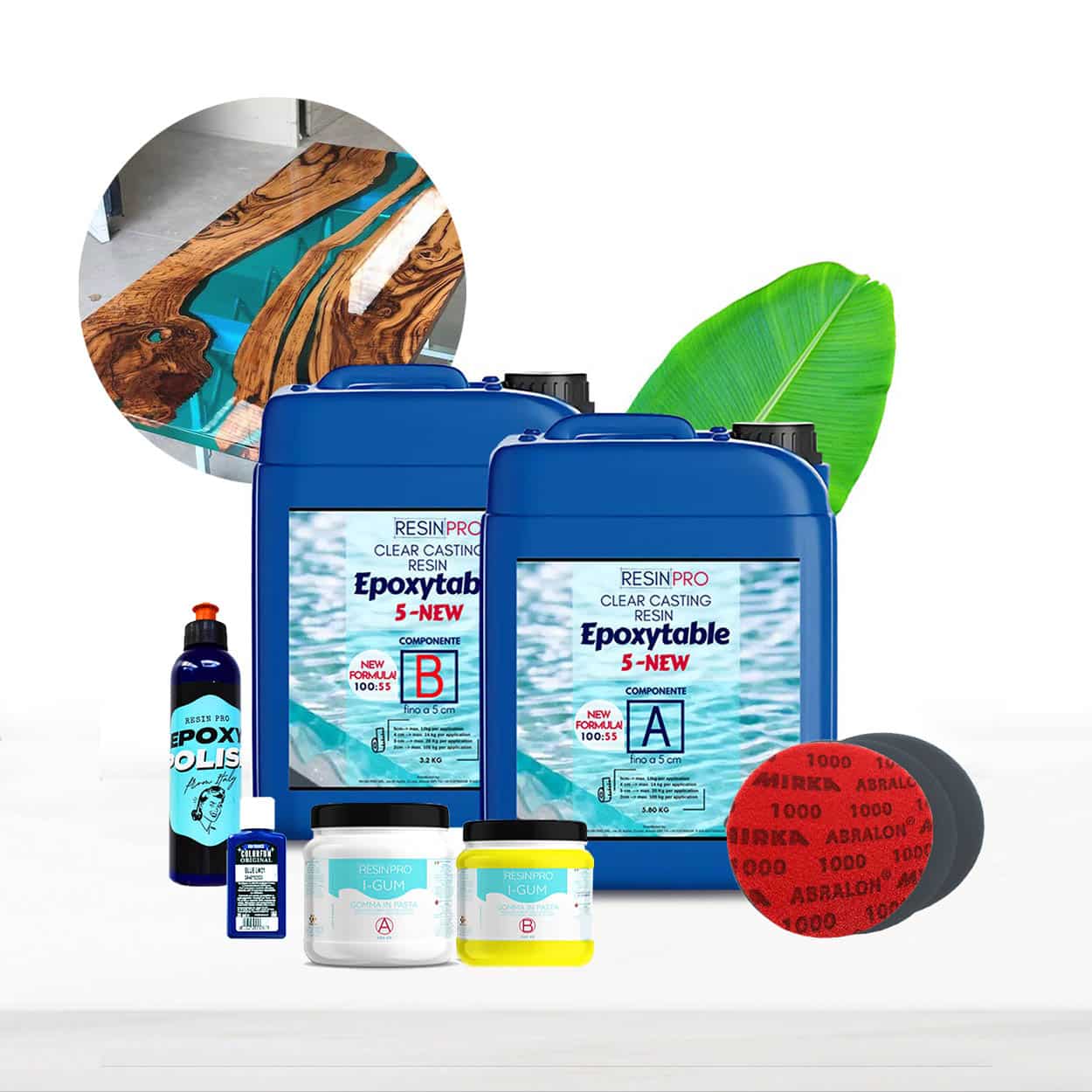
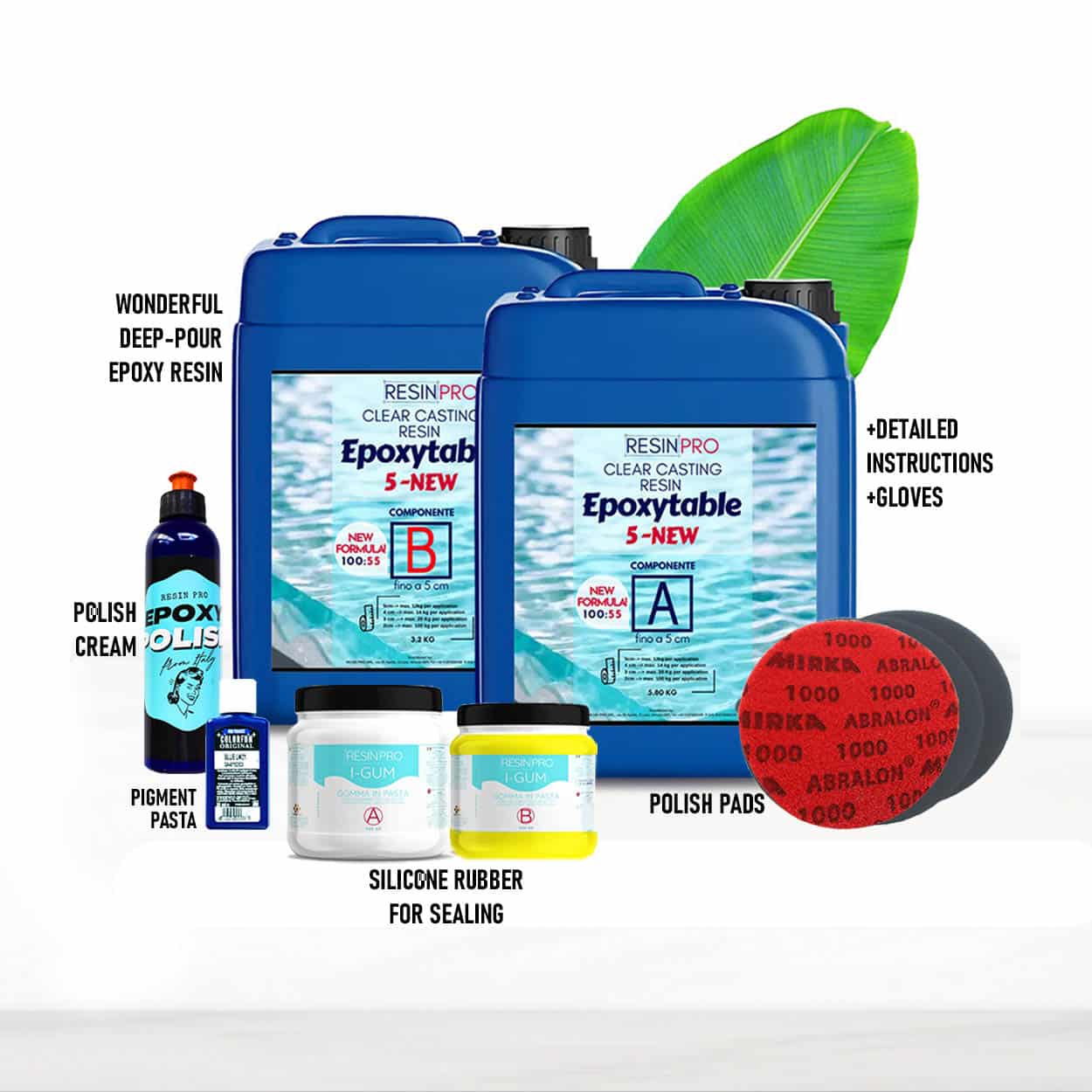
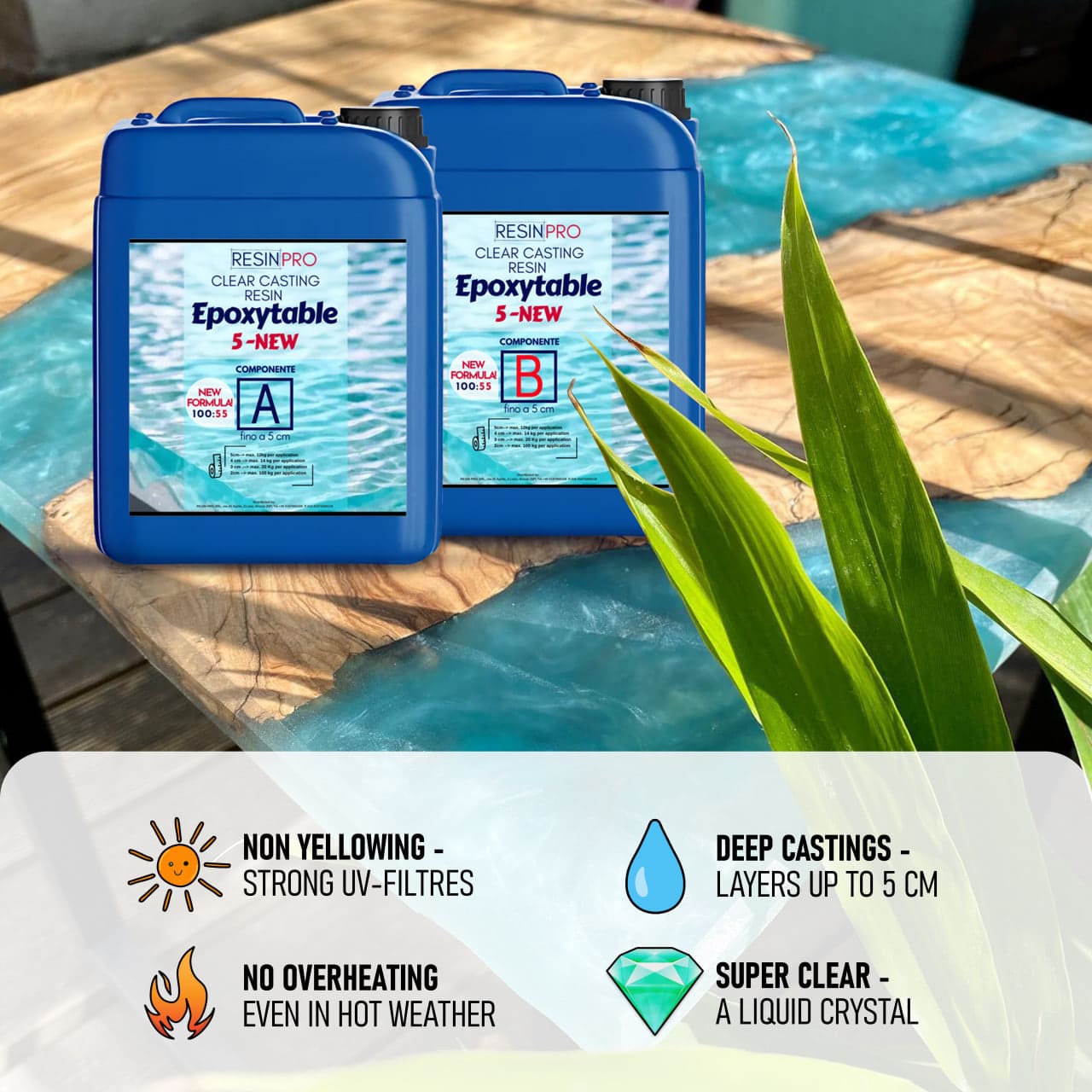
- “River-Table” – Complete Kit for Creating Your First Epoxy Resin Table – Comprehensive kit designed for creating resin tables and crafts with step-by-step guidance.
- Online Video Course – Christmas Tree Decorations Masterclass (Instagram Access) – An online course offering step-by-step guidance on resin techniques for Christmas tree decorations.
- Nitrile Gloves – 50 Pairs (100 Pieces) – Gloves designed to provide chemical resistance and comfort for resin work requiring detailed hand protection.
Essential Tools and Workspace for Resin Creations
Organise your workspace before starting any resin project. A level surface, reliable protective gloves and clear access to your tools are vital for clean and safe results. Consider easy-to-follow video guides for extra support if you’re new to the process.

Step 1: Prepare Your Workspace and Materials
Before you begin any resin work, choose a flat, dust-free area with good ventilation. Cover your work surface with protective film or disposable plastic to catch any drips. Gather all your moulds, mixing cups, measuring spoons and stirrers so you don’t have to scramble mid-project. Always wear gloves and work in a well-ventilated space to protect your hands and lungs from resin fumes and skin contact. Nitrile Gloves – 50 Pairs (100 Pieces) are an ideal choice for professional-level hand protection during resin work.
Step 2: Measure and Mix Your Resin Components
Resin is typically mixed in two parts: resin and hardener. Carefully follow the manufacturer’s recommended ratio by weight or volume, and combine the two in a clean mixing container. Stir slowly and thoroughly for several minutes—scrape the sides and bottom to ensure complete blending. Plan before you pour: once mixed, resin has a limited working time before it starts to cure. Use a timer if needed, and only prepare as much as you can pour or cast within the time window. Avoid mixing too quickly as this can introduce excessive bubbles, which are difficult to remove once set.
Step 3: Pour, Cast and Create Your Resin Masterpiece
Whether you’re making a table, decorative item or jewellery, slowly pour or cast the blended resin into your mould, bezel, or onto your surface. Pouring in layers no deeper than recommended will minimise heat build-up and reduce the risk of cracking. For intricate effects, follow a quality tutorial such as the Free Step-by-Step Lesson “Kiwi Coasters” by Natalia Natirum, which demonstrates practical techniques for blending colours and creating clear, professional effects. Remove dust with a torch or cover the project to prevent contamination whilst it cures.
Step 4: Demould and Finish Your Resin Project
Allow the resin to cure fully – check the manufacturer’s guidance for timings as depth, temperature, and humidity all have an impact. Gently pop your cured creation out of its mould, or remove protective forms from your table. Sand any rough edges with progressively finer grit, and consider a final polish for maximum shine. You can follow more advanced finishing steps, as shown in online guides like the Online Video Course – Christmas Tree Decorations Masterclass (Instagram Access), to master different resin effects and finishing touches.

Tips, Common Mistakes and Troubleshooting
Getting started with resin isn’t difficult, but practice improves every piece. Avoid contamination by using clean, dry tools. Don’t rush the curing process—impatience leads to sticky surfaces or warped results. Store resin away from sunlight and moisture to preserve quality between projects. If bubbles form, use a heat gun lightly or a fine pin to pop them while the resin is still wet. If you encounter issues such as incomplete cures, check your ratios and mixing times. Refer to comprehensive kits like the “River-Table” – Complete Kit for Creating Your First Epoxy Resin Table for helpful instructions and support as you progress to ambitious works.
Creative Resin Work Inspiration
Try varied resin techniques: experiment with colour layering, embedded objects, or different pour styles. Online masterclasses and tutorials provide invaluable ideas and help you refine your skills as you explore more ambitious projects.

- Free Step-by-Step Lesson "Kiwi Coasters" by Natalia NatirumOriginal price was: £99.00.£0.00Current price is: £0.00.Video tutorial demonstrates creating resin coasters and tray resembling real kiwi pieces.
- "River-Table" – Complete Kit for Creating Your First Epoxy Resin TablePrice range: £188.85 through £444.85Beginner kit with detailed instructions and materials to create wood and resin tables, suitable for resin work artisans.
 Online Video Course – Christmas Tree Decorations Masterclass (Instagram Access)£19.85This online video course introduces techniques for creating Christmas tree decorations with resin and ink effects, suited to the how to do resin work…
 Nitrile Gloves – 50 Pairs (100 Pieces)£8.85Nitrile Gloves offer chemical resistance and latex-free protection suitable for resin artists and craftwork in the how to do resin work theme.
Frequently Asked Questions
Which gloves are safest for resin work?
Nitrile gloves are recommended as they provide chemical resistance and great flexibility without latex, making them suitable for handling resins safely.
How do I prevent bubbles in my resin project?
Mix slowly to reduce trapped air and consider using a heat gun or fine pin to remove bubbles before the resin cures.
What surfaces can I use for resin art?
Resin adheres well to most non-porous surfaces like silicone moulds, metal, wood with a sealed finish, or special release film provided in project kits.
How long does resin take to cure?
Curing times vary by product and depth but typically range from 24 to 72 hours; always check kit instructions for precise guidance.
What if my resin stays sticky?
Sticky resin is generally the result of incorrect mixing ratios or insufficient blending; always follow the manufacturer’s instructions carefully.
Can I add colour to resin?
Yes—special pigments and dyes designed for resin allow you to achieve brilliant colours and effects; follow tutorials for best results.
Do I need protection when using resin?
Personal protective equipment, especially gloves and good ventilation, is highly recommended whenever handling resin.
What projects can I make with resin?
You can create everything from coasters and jewellery to art panels and large river tables, following the correct resin technique and safety.