 Free shipping on orders over £29,85
  Shipping Tracking!


 Google
 Facebook
← Back to how to do resin work
Sticky resin is a common issue for beginners and experienced makers alike. Dealing with tacky surfaces can be frustrating, but understanding the causes will help you resolve and avoid this problem in future resin projects.
What Causes Sticky Resin?
The main culprits behind sticky or tacky resin are usually incorrect mixing ratios or insufficient blending of resin and hardener. Resin formulas are sensitive; even a slight mismeasure or incomplete mixing can stop proper curing. Always ensure you follow the specific instructions that come with your resin.
- Use clean, dry measuring tools and containers
- Scrape the sides and bottom while mixing thoroughly
- Check curing conditions: low temperatures or humidity can delay or prevent proper setting
Practical Steps for Sticky Resin
If your resin remains tacky after the curing time, first check if it is just the surface or throughout. Slight surface stickiness may sometimes be fixed by gently wiping down with isopropyl alcohol. If the resin is soft or sticky throughout, unfortunately, it will need to be removed and redone.
Next time, try using tools like nitrile gloves when handling resin to avoid skin contact and ensure accurate measuring.
When This Matters Most
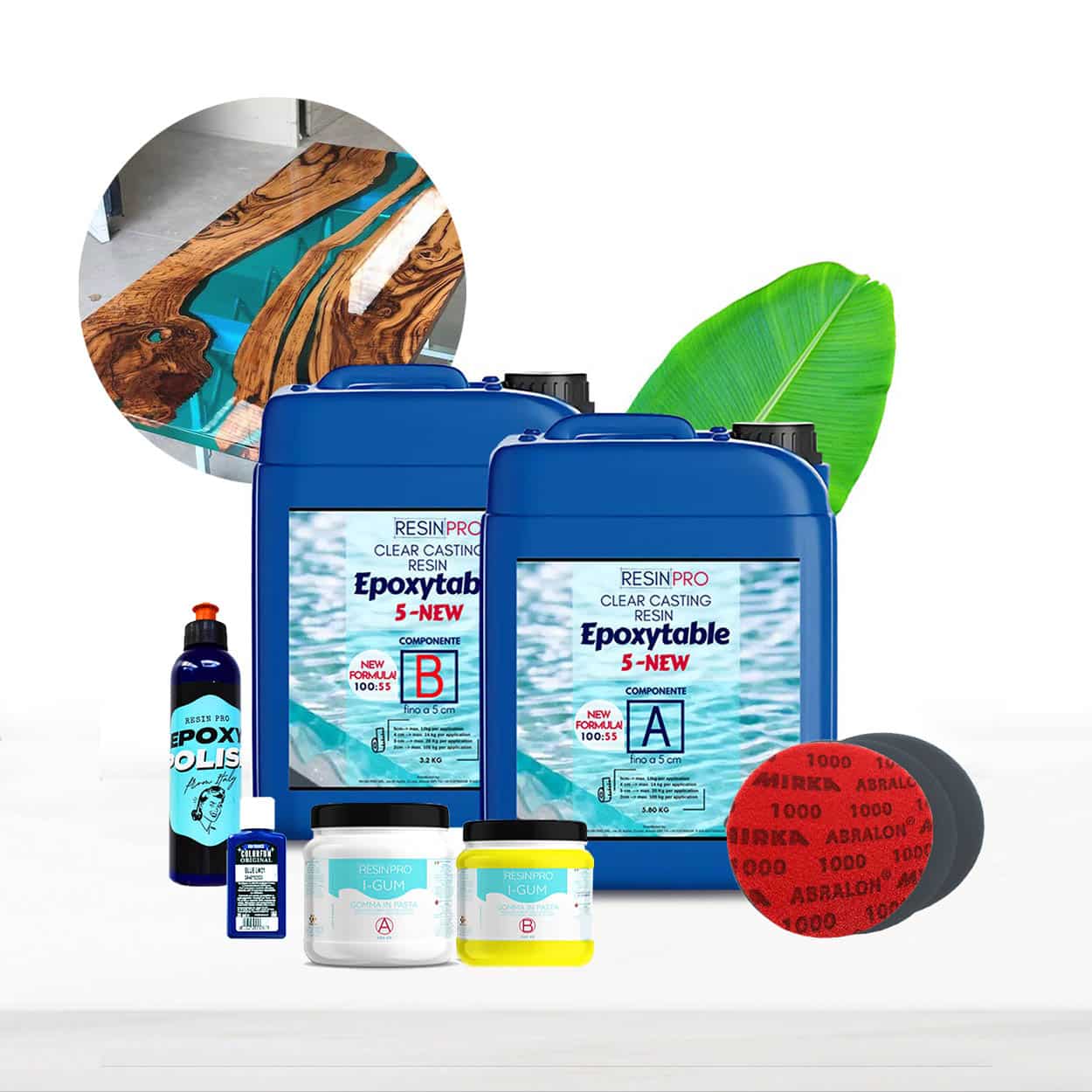
Sticky results particularly matter for projects where touch and clarity are key, such as resin tables or decorative items. Kits like the River-Table Complete Kit include products and instructions to help you achieve reliable, clean cures on your first try.
Related products
Related guides
By understanding why resin stays sticky and taking careful steps during measuring and mixing, you can avoid tacky results and enjoy smoother resin crafts. For more detailed guidance and troubleshooting tips, return to our main how to do resin work page.