 Free shipping on orders over £29,85
  Shipping Tracking!


 Google
 Facebook
How do you make resin rings?
Step-by-step guide for creative, beginner-friendly resin jewellery.


Crafting your own resin rings unlocks unlimited potential for personal expression, vibrant colours, and unique wearable art. This guide walks you through the essential process of making resin rings at home, from planning to finishing, whether you’re a beginner or seeking to refine your results. By focusing on careful preparation and safety, you’ll enjoy a fun and rewarding jewellery-making experience.
What You’ll Need
- “Evershine Collection” – Artisan Jewellery Epoxy Resin Kit with 100+ Accessories – A beginner-friendly epoxy kit with resin, pigments, dried flowers, and tools specially designed for jewellery projects.
- “UV–Creation” – Fast Acrylic Resin, 3 Minute UV Cure – Ready-to-use UV acrylic resin for those who require quick results with a glossy finish.
- “One-2-One” – Epoxy Resin for Handcraft, 1:1 Mixing Ratio – A user-friendly epoxy for clear, glossy rings with straightforward mixing.
- “ICreation” – Fast Epoxy Resin, 6h Demoulding, Transparent Gloss Finish – Ideal if you want to demould your rings in as little as 6 hours.
- Silicone ring moulds of your desired shape and size
- Mixing cups and stir sticks
- Protective gloves and a mask
- Pigments, inclusions (glitter, dried flowers), and findings
- UV lamp (if using UV resin)
- Polishing and sanding tools (optional for finishing)

Creative Ring-Making Inspiration
Explore endless possibilities by combining colours, natural elements, and inclusions in your resin rings. Whether you wish to encapsulate dried flowers, vibrant pigments, or personalised trinkets, your resin creations can be as bold or subtle as you desire. Let your imagination guide each design and enjoy experimenting with the rich array of finishes available from every resin type.
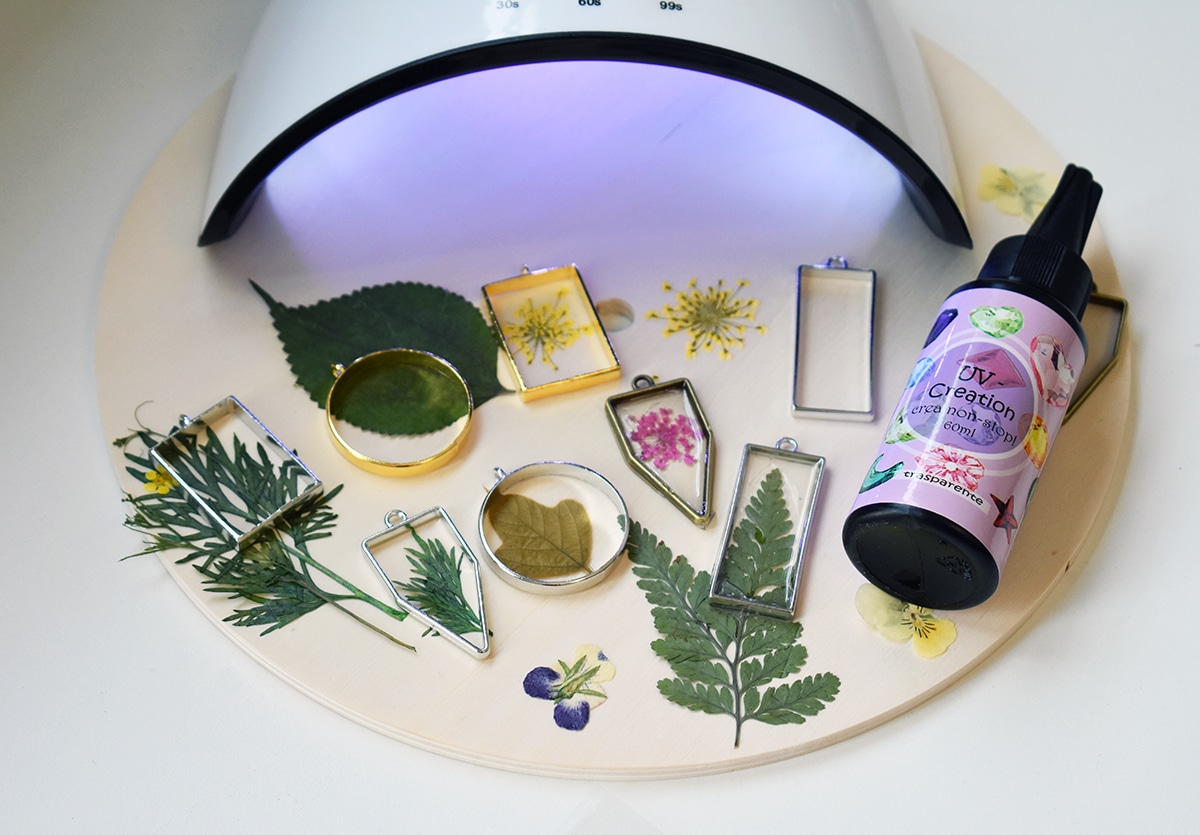
Step 1: Prepare Your Workspace and Materials
Set up a clean, dust-free environment. Lay down a protective sheet and ensure good air circulation to keep fumes at bay. Organise your silicone moulds on a flat surface, gather your mixing tools, and select inclusions or pigments for your ring designs. Don’t forget to wear gloves and a mask for both protection and to prevent fingerprints on the finished pieces.
Consider using a purpose-built kit, such as the “Evershine Collection” – Artisan Jewellery Epoxy Resin Kit with 100+ Accessories, which contains both the resin and tools suited for ring making, streamlining your preparation.
Step 2: Mix the Resin Carefully
Refer to your chosen resin’s instructions—correct mixing is crucial for strength and clarity. For epoxies like “One-2-One” – Epoxy Resin for Handcraft, 1:1 Mixing Ratio, thoroughly combine equal parts resin and hardener by volume. Stir slowly for several minutes to avoid introducing bubbles. If you prefer quicker results, opt for “ICreation” – Fast Epoxy Resin, 6h Demoulding, Transparent Gloss Finish, following its 2:1 ratio, or use “UV–Creation” – Fast Acrylic Resin, 3 Minute UV Cure directly for no-mix UV applications. Mix in your pigments or inclusions now for custom colours and effects.
Avoid under-mixing, as this leads to sticky or soft spots later. Scrape the sides and bottom of your vessel as you stir.
Step 3: Pour Into Moulds and Cure
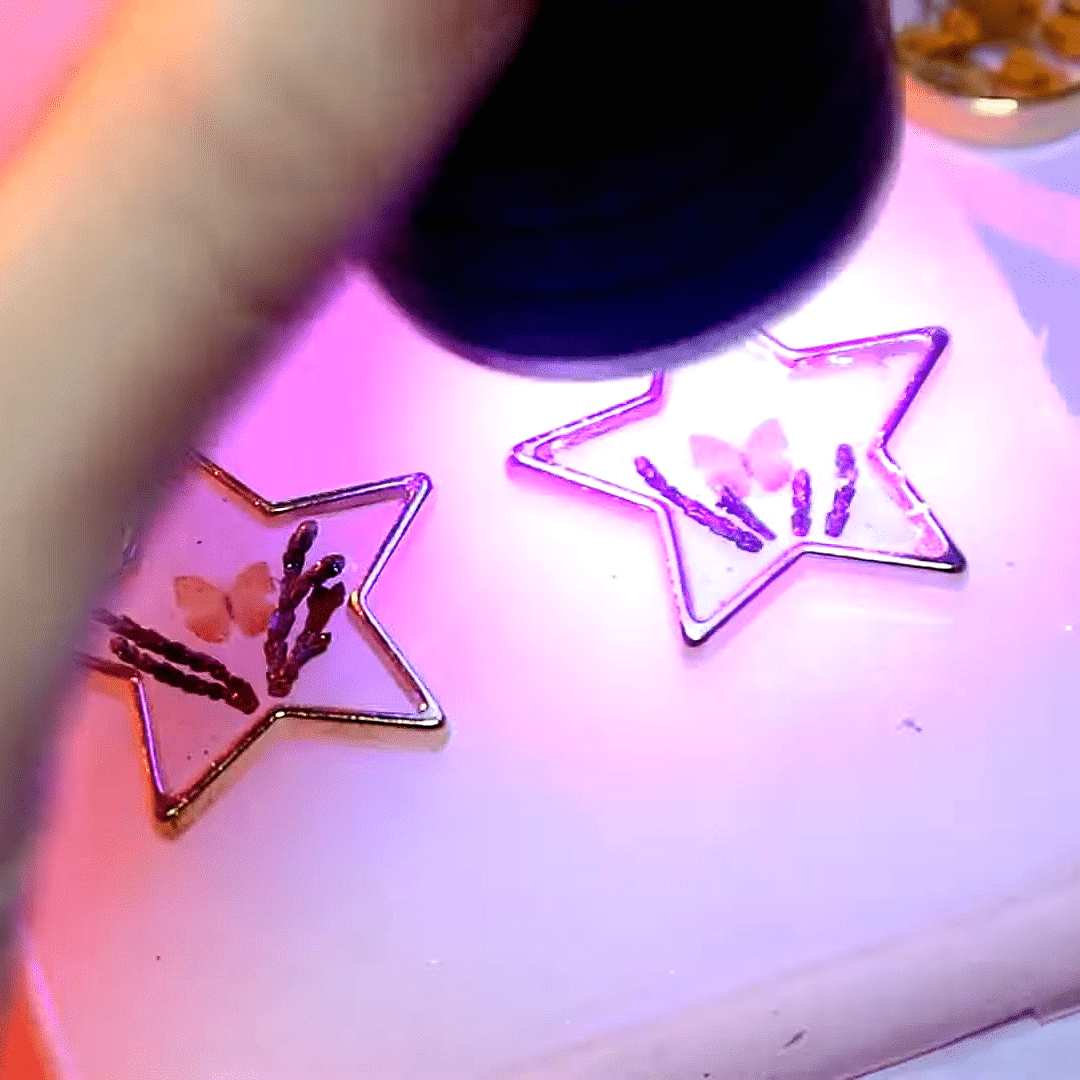
Cautiously pour the mixed resin into the ring moulds. Fill each cavity slowly to prevent air bubbles, and use a cocktail stick to guide resin into detailed areas. If embedding flowers or glitter, add them in layers for depth and better positioning. For UV resin, place the filled mould under a UV lamp for fast curing; most require 2-3 minutes per layer.
Epoxy resins should be left undisturbed on a level surface to cure as per the product’s guidance—fast-curing options like “ICreation” speed up the process, while others may cure overnight. Cover your moulds to shield against dust while curing.
Step 4: Demould and Finish Your Rings
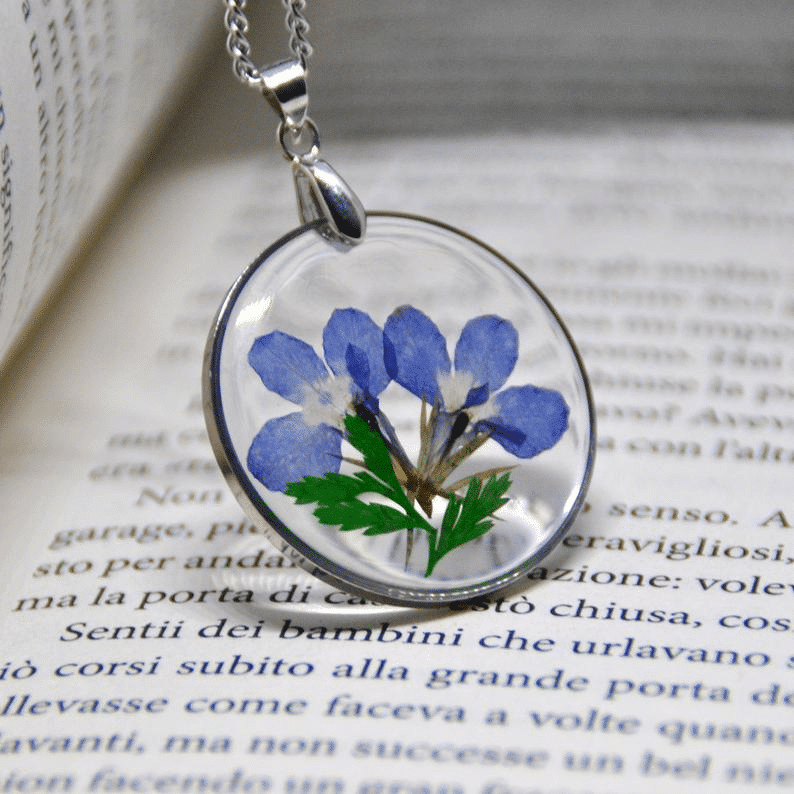
Once fully cured, gently remove the rings from the moulds. If some edges feel sharp or uneven, sand them carefully with fine-grit sandpaper. Progress through to higher grits for a polished finish or buff with a soft cloth for added shine. For extra embellishments, you can attach findings or decorative pieces from your accessory kit at this stage.
Take care not to force the demoulding process, as rushing can break or distort delicate sections of your new rings.
Tips and Troubleshooting for Perfect Resin Rings
Use the correct resin for small jewellery moulds—some resins are better suited to intricate shapes and produce a clearer finish. Always measure accurately and mix thoroughly to prevent tacky results. If bubbles appear, gently pass a heat gun or flame a few centimetres above the resin surface immediately after pouring (being mindful not to overheat or scorch the resin).
Preparation is key to a smooth, professional finish. Work in batches when experimenting with pigments, and let layers cure fully before adding new details. Finally, always double-check that you’re using the right ratio for your chosen resin type to ensure optimal strength and appearance.
Finish with Flair: Showcasing Your Rings
Once finished, display your resin rings as part of your personal accessory collection or gift them to friends and family. Custom resin jewellery makes a thoughtful, handcrafted present and can be adapted to suit special occasions by adjusting colours, shapes, or embellishments. Remember, the process is as rewarding as the final creation—show off your unique designs with pride!
- "Evershine Collection" – Artisan Jewellery Epoxy Resin Kit with 100+ Accessories£20.85Evershine Collection is a jewellery resin kit with 500g crystal-clear epoxy and 100+ accessories, suitable for creative resin crafts and ring making.
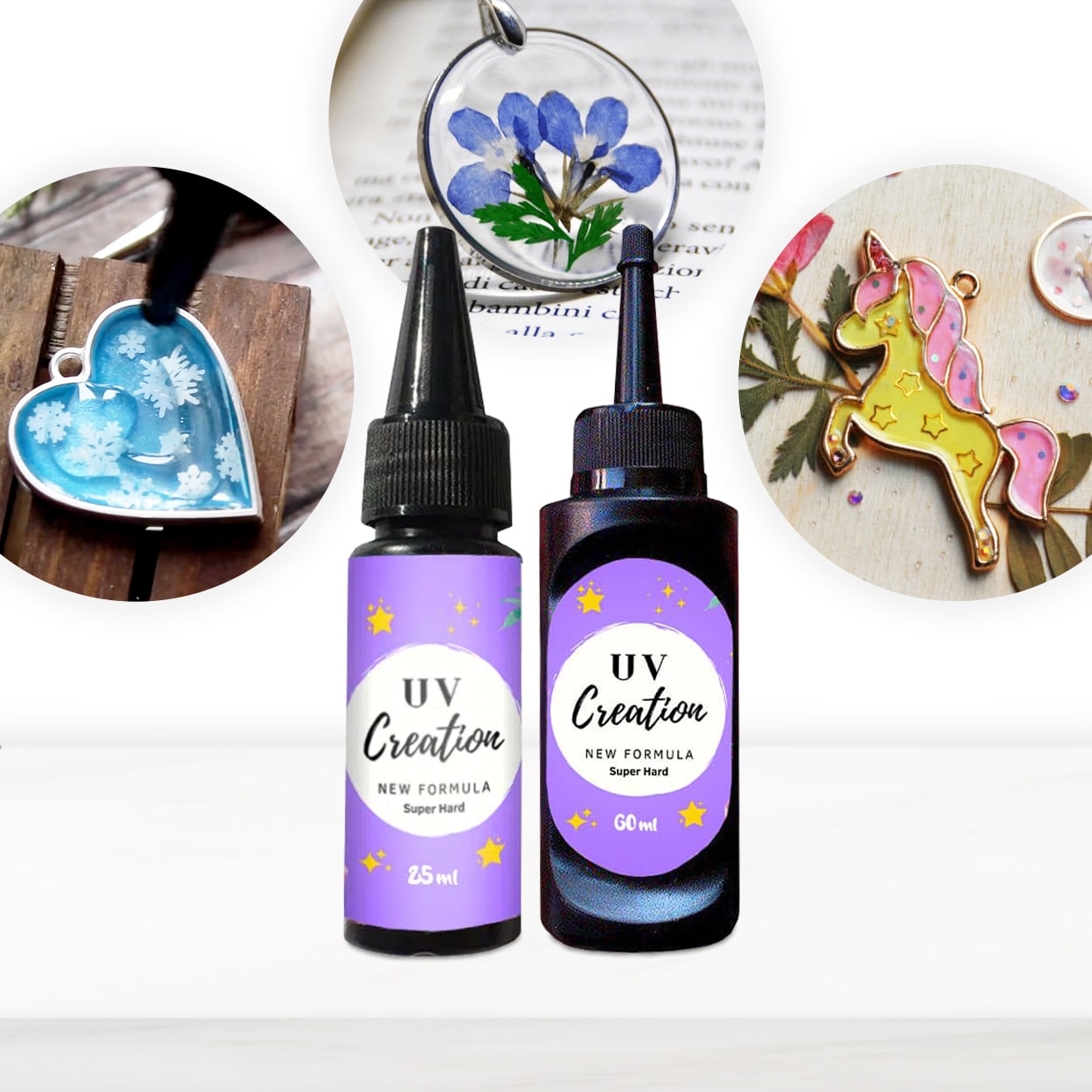
- "UV–Creation" – Fast Acrylic Resin, 3 Minute UV CurePrice range: £7.85 through £59.85UV–Creation acrylic resin offers fast curing and a clear, glossy finish suitable for jewellery makers and crafters.
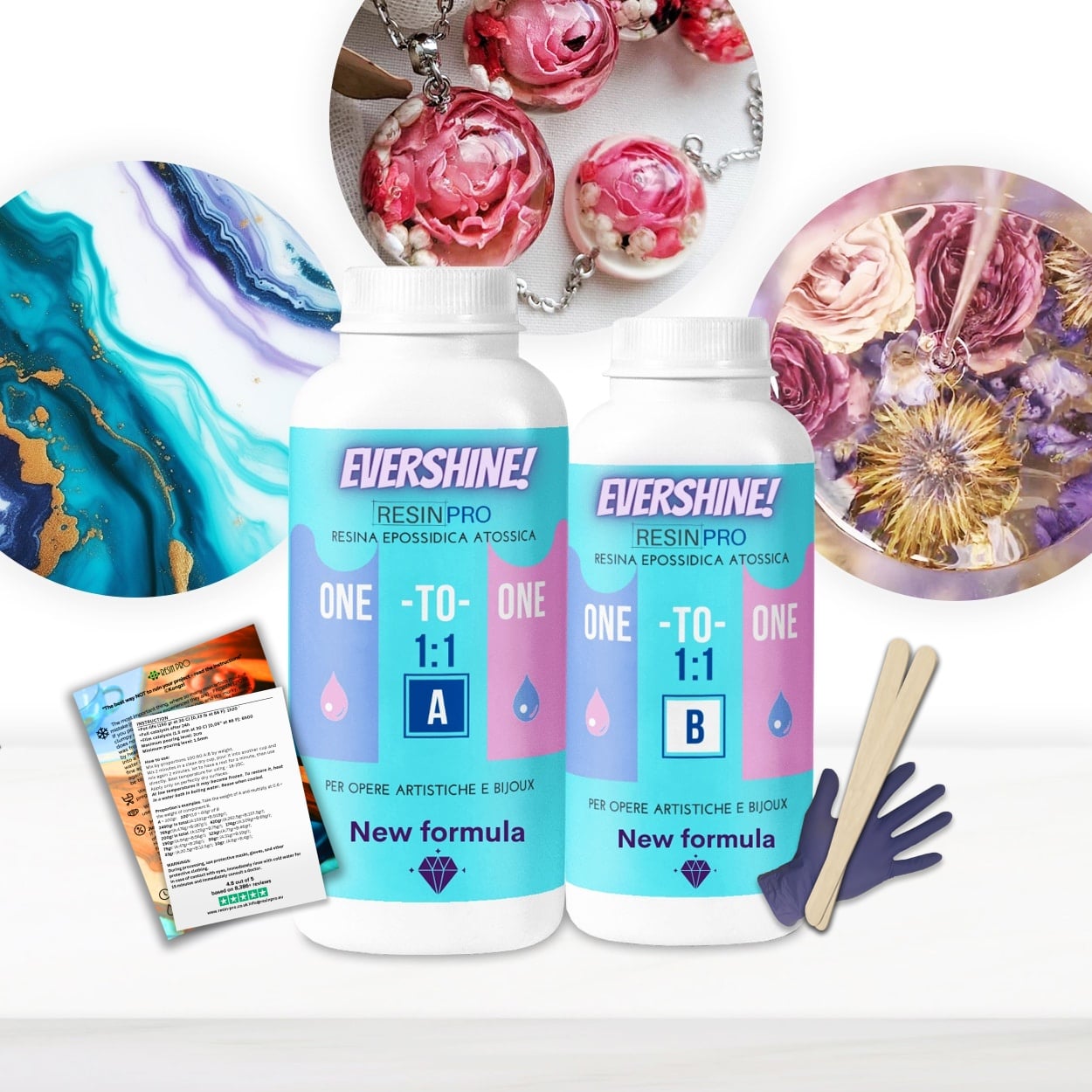 "One-2-One" – Epoxy Resin for Handcraft, 1:1 Mixing RatioPrice range: £14.85 through £56.85"One-2-One" epoxy resin features a straightforward 1:1 mixing ratio, suited for both beginners and experienced crafters in jewellery and decorative…
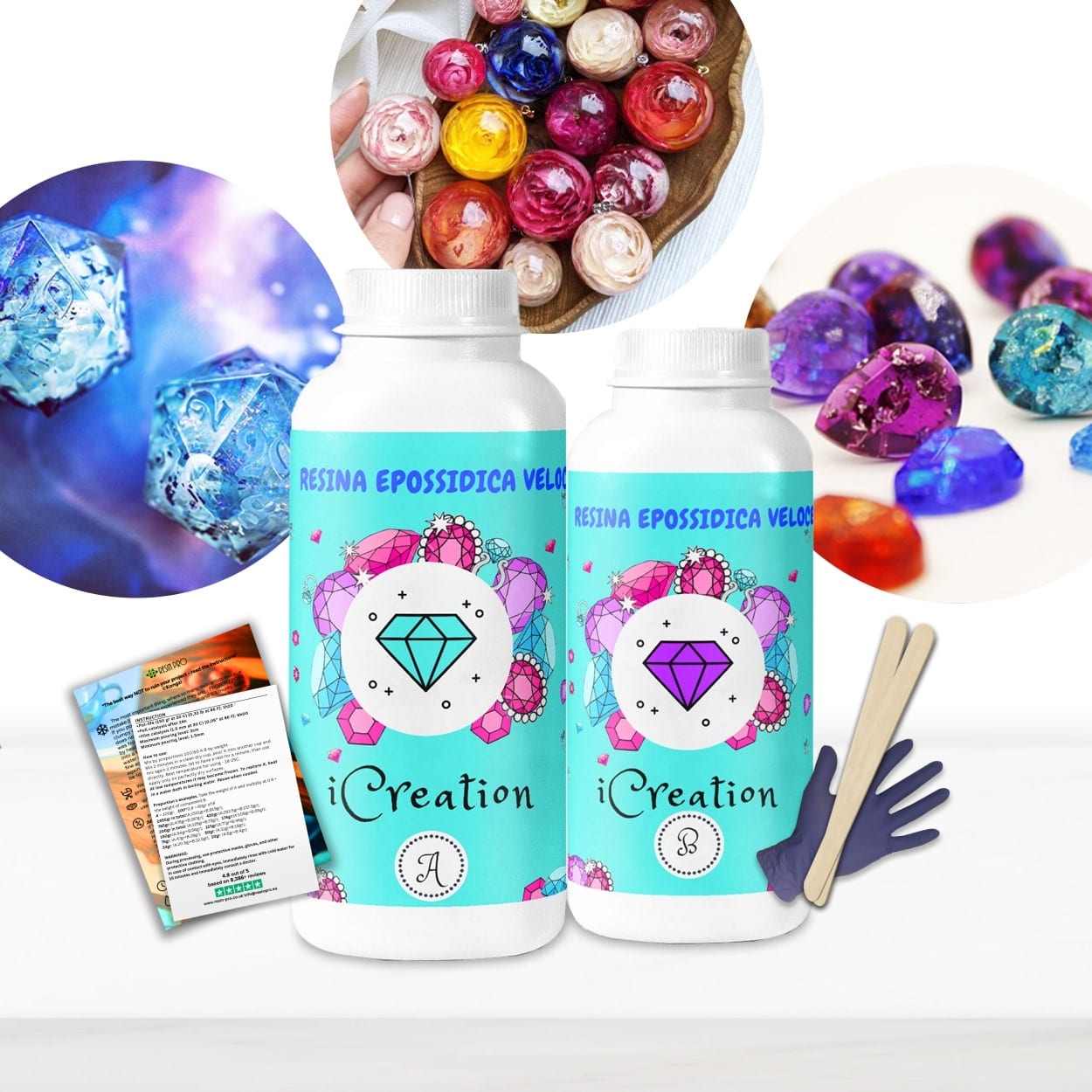 "ICreation" – Fast Epoxy Resin, 6h Demoulding, Transparent Gloss FinishPrice range: £19.40 through £52.85"ICreation" fast epoxy resin offers rapid 6-hour demoulding and a clear, glossy finish for jewellery and decorative crafts.
Frequently Asked Questions
What moulds work best for resin rings?
Silicone moulds in the desired style and size produce crisp, easy-to-release resin rings.
How do I prevent bubbles in my resin rings?
Mix resin slowly, pour carefully, and use a heat source lightly over the surface to remove bubbles.
Can you add colour or inclusions to resin rings?
Yes. Incorporate pigments, glitter, or dried flowers directly into the resin mixture before pouring.
How long should I leave resin to cure for rings?
Follow the resin’s specific instructions—UV resins cure in minutes under light, while epoxies may require several hours or overnight.
How do I achieve a professional, polished finish?
Sand edges with fine-grit paper, then polish with a soft cloth for a smooth, glossy appearance.
What’s the safest way to handle resin and clean up?
Wear gloves and work in a well-ventilated area. Dispose of resin waste according to local regulations.