 Free shipping on orders over £29,85
  Shipping Tracking!


 Google
 Facebook
← Back to How do you make a resin pearl?
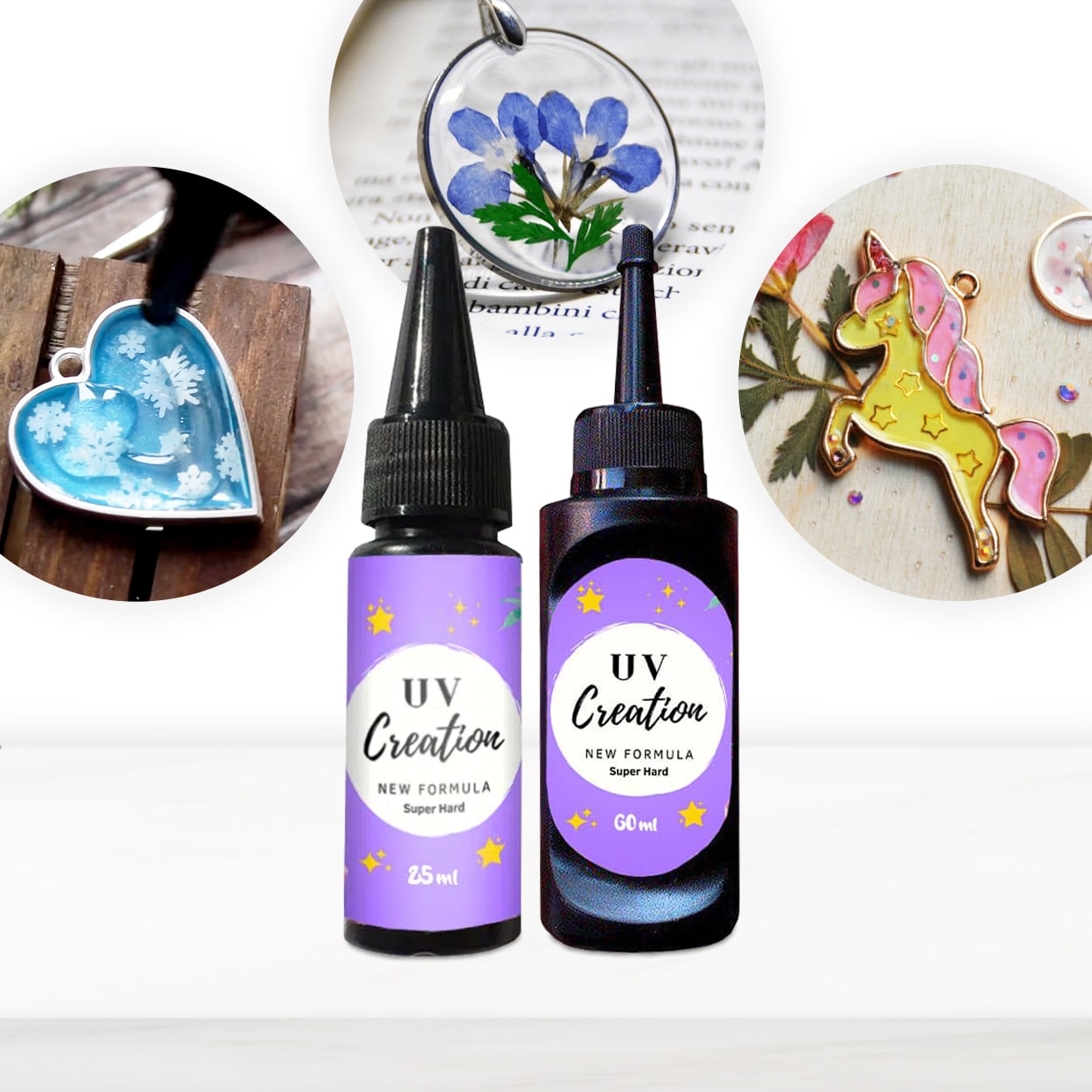
If you’re creating resin pearls, you might wonder whether UV resin or epoxy resin will give the best effect. Both options can achieve attractive, pearlescent results if paired with the right pigments and proper curing methods.
The Differences Between UV and Epoxy Resin
UV resin cures rapidly—often in just two to three minutes under a UV lamp—making it perfect for small pearl beads and quick projects. It delivers a clear, glossy finish and requires no mixing, which is especially handy for jewellery or detailed craft work. Epoxy resin, by contrast, involves mixing two components and can take several hours to cure fully. While epoxy offers a generous working time for intricate designs and batch work, it requires patience and a dust-free environment to avoid blemishes.
Choosing Pigments and Additives
To achieve an authentic, shimmering pearl effect, select pigments compatible with your chosen resin. Mica-based options such as Pearline Pigments blend smoothly with both UV and epoxy resins, enabling elegant, luminous finishes. For added sparkle, metallic pearl glitters can also be used in epoxy resin. Always ensure your pigments are designed for the specific resin type for best compatibility and consistent colour distribution.
When This Matters: Project Size and Speed
If you need instant results—perhaps for last minute gifts or a rapid jewellery restock—UV resin is ideal. For larger batches or more complex projects, epoxy resin offers longer working time for careful placement and layering.
Related products
Related guides
Whether you opt for fast-setting UV resin or the versatility of epoxy, both routes let you make beautiful resin pearls when paired with suitable pigments. For more tips on the full process, see our main guide on how to make a resin pearl.