 Free shipping on orders over £29,85
  Shipping Tracking!


 Google
 Facebook
How to make a ring with wood and resin
Creating a ring that beautifully combines the organic warmth of wood with the brilliance of resin allows you to produce one-of-a-kind jewellery that stands out. Whether you are keen to craft a bespoke gift or experiment with artisan techniques, this guide will walk you through the essential steps to make a durable and eye-catching wood and resin ring from scratch.
Step-by-step guide for stunning wood and resin jewellery pieces


What You’ll Need
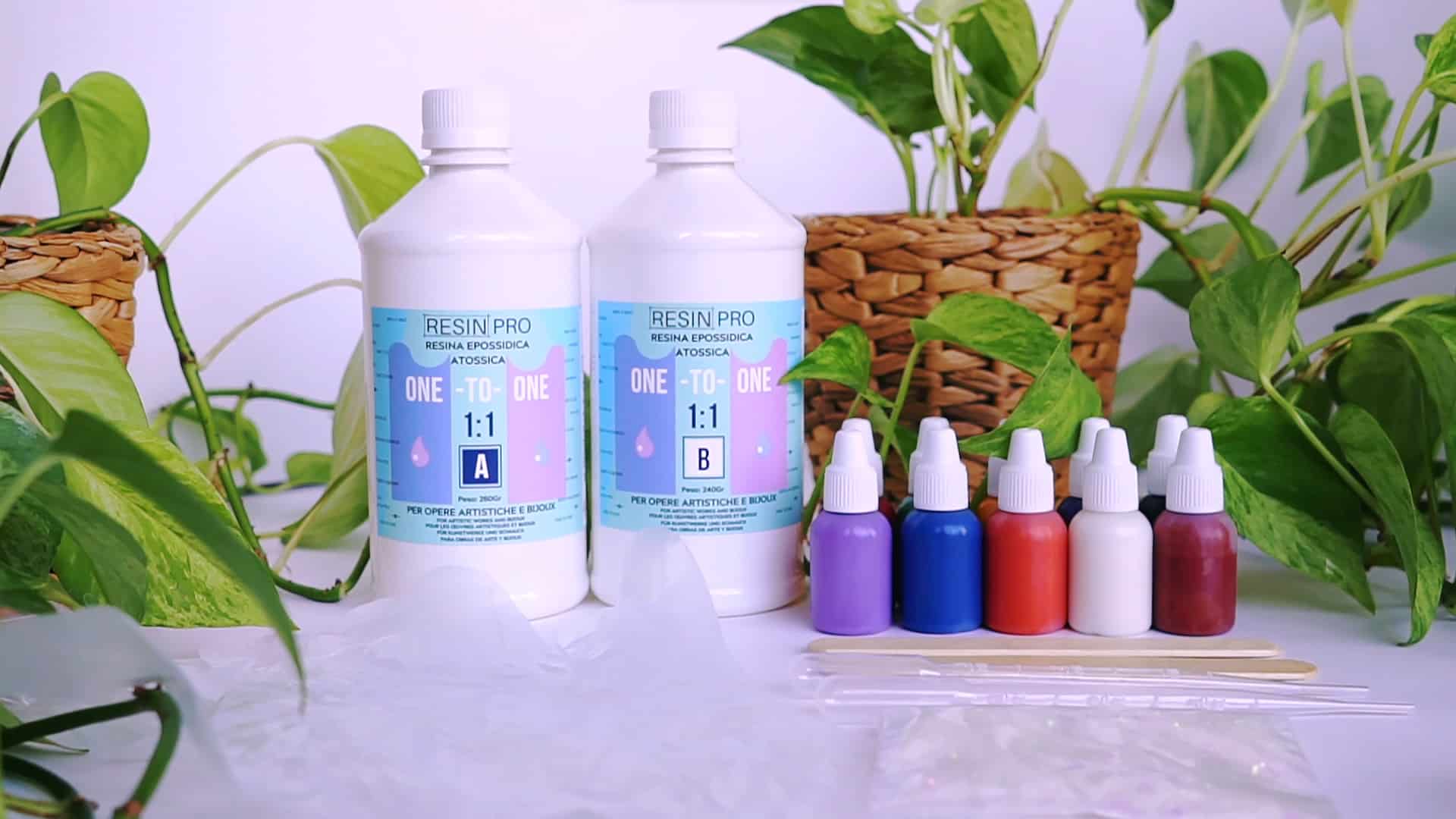
- “Evershine Collection” – Artisan Jewellery Epoxy Resin Kit with 100+ Accessories – Complete kit including resin, pigments, and tools for beginner-friendly ring making.
- “One-2-One” – Epoxy Resin for Handcraft, 1:1 Mixing Ratio – Medium viscosity clear resin, ideal for combining with wood pieces.
- “Epoxy Polish” – Epoxy Resin Polishing System – For achieving a professional gloss and removing micro-scratches.
- “Fairy Wings” – UV Resin for Volumetric Reliefs, Dual Colour, 30ml – Optional, for adding decorative surface details or colourful 3D accents.
- Natural hardwood blank (ring-sized)
- Fine grit sandpaper (400–3000 grit)
- Saw, Dremel or rotary tool (for shaping)
- Mixing cups and stirring sticks
- Protective gloves and mask
- UV lamp (if using UV resin)

Material Preparation and Workspace Setup
Lay out all necessary tools before starting—having everything organised ensures a smooth workflow and prevents resin from curing at awkward moments. Cover your workspace with a silicone mat or disposable sheet to make post-project cleaning easier. Remember to wear old clothing, as resin can stain fabrics permanently.
Step 1: Prepare the Wood Blank
Start by selecting a piece of hardwood that is free from cracks and knots, as imperfections can weaken the final ring. Cut the wood to a manageable size with a saw, then drill a hole in the centre for your finger size. Using a Dremel or a small rotary tool, carefully shape the exterior to a rounded ring profile, smoothing out all edges. Sand the wood blank with progressively finer grits, finishing with 1000 grit for a silky feel.
Ensure both materials are fully dry before bonding. Wood should be completely dry to avoid moisture interfering with resin adhesion or causing cloudiness during curing.
Step 2: Mask and Set Up for Resin Pouring
Decide where you want the resin to appear on your ring. Use tape or clay to mask off areas you do not want to coat. Securely fix the wood blank in a mould or mount, ensuring it is level and stable. Double-check that the edges are sealed, as leaks can ruin the clarity and form of your ring.
Always wear gloves and work in a ventilated area to avoid skin contact and inhaling fumes from the resin processes.
Step 3: Mix and Pour the Resin
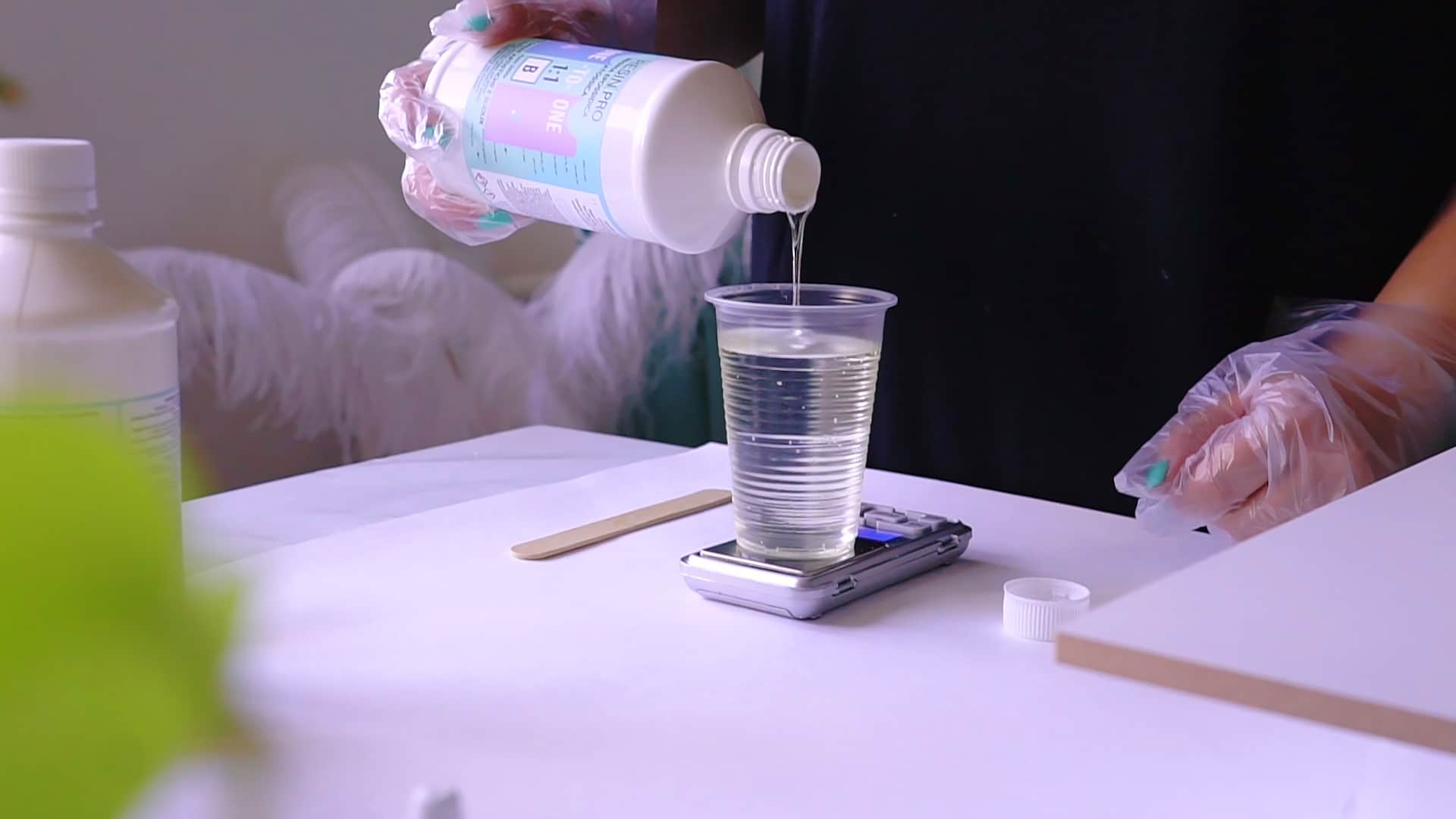
Prepare your resin according to the manufacturer’s instructions. For beginners, a kit such as the “Evershine Collection” – Artisan Jewellery Epoxy Resin Kit with 100+ Accessories is ideal, offering a straightforward 1:1 mixing ratio and a selection of pigments for creative effects. Slowly combine the resin and hardener, stirring gently to minimise bubbles.
Pour the resin into the designated areas of the ring in thin layers. This helps reduce air pockets and ensures even curing. Use a toothpick or skewer to tease resin into intricate crevices between the wood and resin interface.
Work in thin layers to avoid bubbles; allow each layer to gel before adding more for greater clarity and strength.
Step 4: Cure, Shape, and Sand
Let the resin cure completely as per the resin instructions—timing will vary depending on product and ambient conditions. Removing the ring from the mould, you may find a slight edge or excess resin. Smooth this back using a Dremel or sandpaper, beginning with coarse grits and gradually working up to at least 2000 grit for both comfort and shine.
If you wish to incorporate 3D decorative enhancements, you can apply “Fairy Wings” – UV Resin for Volumetric Reliefs, Dual Colour, 30ml to the surface, curing with a UV lamp. This allows for intricate surface details or lively colour accents.
Don’t rush the curing process for best durability—make sure the ring is totally hard before any aggressive shaping or sanding.

Step 5: Polish and Finish the Ring
Once fully shaped and sanded, your ring may appear slightly matte. To restore clarity and deliver a professional finish, apply “Epoxy Polish” – Epoxy Resin Polishing System using a soft cloth or appropriate pad. Work in gentle, circular motions, buffing the resin until it reveals a smooth, high-gloss shine.
Clean the final ring carefully to remove any polish residue, then inspect under natural light for imperfections before declaring your unique wearable art complete.
Tips and Troubleshooting for Wood and Resin Rings
- Seal the wood surface with a thin layer of resin or specialist wood sealer to reduce bubble formation in porous woods.
- To achieve crisp pigment effects, use small amounts and stir thoroughly before pouring.
- If bubbles appear after pouring, lightly pass a heat gun or flame above the resin (taking care not to burn the wood).
- Sand slowly and evenly to avoid uneven ring bands or accidental shaping errors.
- Use separate sandpaper for resin and wood if the two materials sand at different rates.
Finishing Touches and Creative Variations
Add dried flowers, metallic pigments, or small inclusions for a personalised effect, experimenting with designs only after your technique feels solid. Each ring can be unique—try alternating wood and resin patterns, layering pigments, or incorporating small mementos for an extra flourish.
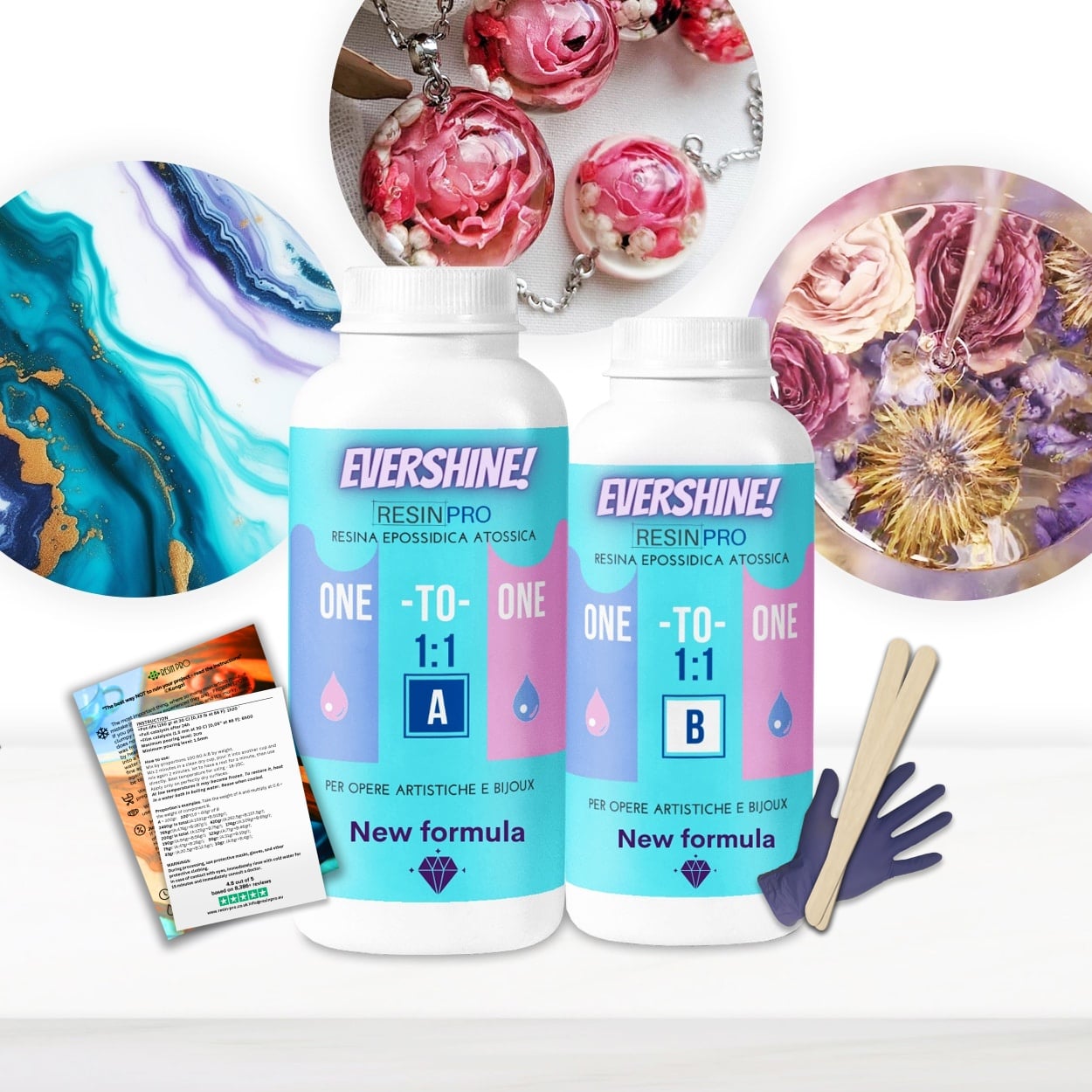
- "Evershine Collection" – Artisan Jewellery Epoxy Resin Kit with 100+ Accessories£20.85"Evershine Collection" offers a complete epoxy resin set designed for jewellery makers and craft enthusiasts seeking glass-like finishes.
- "One-2-One" – Epoxy Resin for Handcraft, 1:1 Mixing RatioPrice range: £14.85 through £56.85"One-2-One" epoxy resin is a medium viscosity product suitable for jewellery making and crafts requiring a clear, glossy finish.
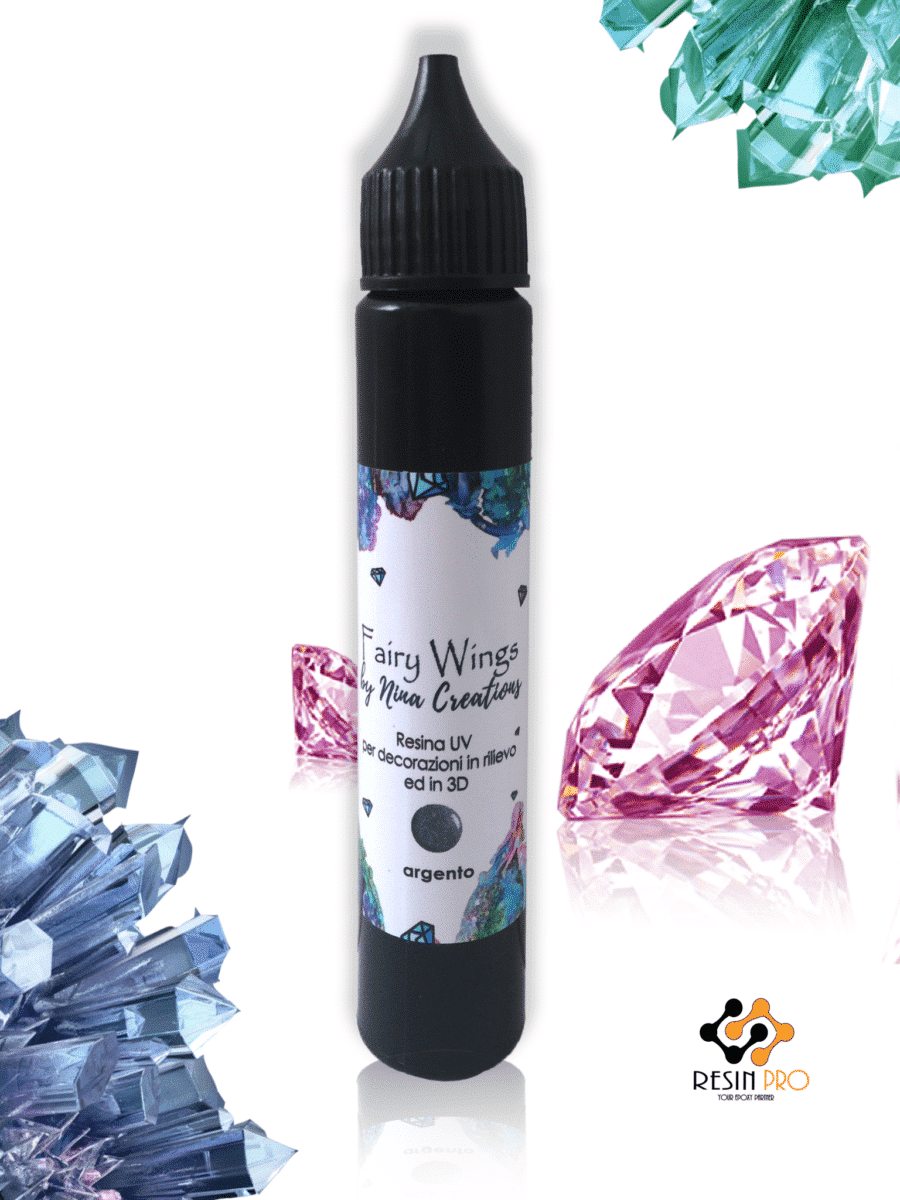 "Fairy Wings" – UV Resin for Volumetric Reliefs, Dual Colour, 30mlOriginal price was: £15.15.£2.85Current price is: £2.85.A ready-to-use UV resin designed for highly detailed 3D relief work, suitable for artists and crafters.
 "Epoxy Polish" – Epoxy Resin Polishing SystemPrice range: £17.85 through £44.85"Epoxy Polish" is a resin polishing system designed to restore a mirror-like shine, suitable for resin projects following the making of wood and…
Frequently Asked Questions
What wood types are best for resin rings?
Hardwoods like maple, walnut, and oak provide strength and less porosity than softwoods, making them ideal for clean results.
How can I prevent bubbles in wood and resin rings?
Seal the wood surface first and pour resin in multiple thin layers. Use a heat tool gently to remove bubbles as they rise.
Can I use UV resin for wood and resin rings?
UV resin is suitable for adding small surface details to rings. Use conventional epoxy for the main pouring sections.
Do wood and resin rings need to be polished?
Polishing is recommended for a smooth, glossy finish and to enhance the clarity and overall appearance of the resin sections.
Are resin rings waterproof?
Resin itself is waterproof, but the wooden section can absorb water. Avoid prolonged exposure to moisture for best durability.
How long does it take to make a wood and resin ring?
The process can take from a few hours up to two days, depending on resin curing times, sanding, and finishing steps.